



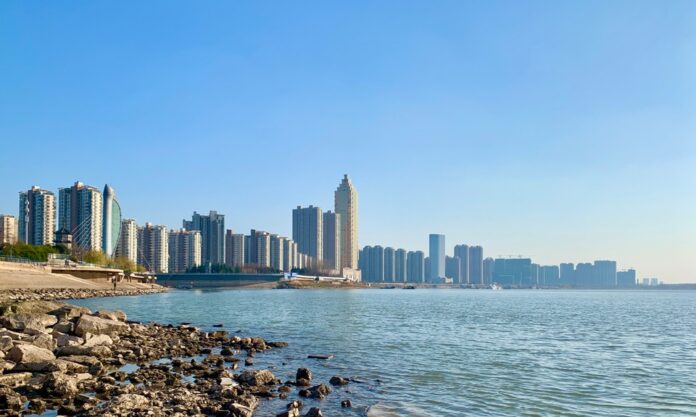


Crossing the Yangtze into Wuhu, many would not at first suspect they are entering one of Anhui’s most quietly consequential cities; a place where rice, river trade, old foreign links and modern industry have learned, rather neatly, to live together over a very long stretch of time.
驶过长江进入芜湖的人,起初也许不会立刻意识到,自己正来到安徽一座低调却很有分量的城市;这里有稻米,有江运,有旧时对外联系,也有现代工业,而且这些元素在很长一段时间里始终相处得相当自然。
Wuhu’s story begins, as so many Chinese city stories do, with water. Set on the south bank of the Yangtze where the Qingyi River meets it, the city long prospered as a transport hub, a market town and, eventually, one of the great rice-trading centres of the lower reaches.
芜湖的故事,说到底还是从水开始。它位于长江南岸,青弋江在此汇入长江,因此很早就是交通要地、集散市镇,后来也逐渐成为长江下游极有分量的米市之一。
By the late Qing, Wuhu had grown rich enough and strategically important enough to be pulled into the half-open world of treaty-port China. Its foreign concession era still lingers in the background of the city’s memory; less as nostalgia, more as evidence that Wuhu has long known how to do business beyond its own horizon.
到了晚清,芜湖既富足又重要,重要到被卷入近代中国通商口岸的半开放世界。那段租界年代至今仍留在这座城市的记忆深处;倒不完全是怀旧,更像是一种提醒,说明芜湖很早就懂得如何把生意做到更远的地方。
The old Wuhu was never only about grain, either. It also built a name on craft and appetite; iron pictures hammered into unlikely elegance, river produce carried to market and, in more recent folklore, the nationwide fame of Shazi Guazi, the “fool’s melon seeds” that became a local badge of cheerful commercial wit.
旧时的芜湖当然也不只靠大米吃饭。它还靠手艺,也靠口腹之欲留下名声;铁画把刚硬敲出了雅致,江鲜进了市场,而更近一些的城市传奇,则少不了“傻子瓜子”,一种带着市井机灵劲儿的全国性名片。

Where Rice and River Trade Still Shape the City
稻米与江运如何继续塑造这座城市
According to current Chinese-language city profiles and reference material, Wuhu’s modern turn has been especially striking. While many still think of it as an old river port with a good appetite, the city has in fact become one of Anhui’s most important industrial engines, with economic weight second in the province and ambitions that are plainly larger than nostalgia.
根据近年的中文城市资料和参考信息,芜湖近代以来的转身尤其明显。许多人提起它,仍先想到老码头和好胃口,但事实上,这座城市早已成为安徽最重要的工业引擎之一,经济总量稳居全省前列,野心也显然不止于怀旧。
Much of that rests on two names; Chery and Conch. Chery gave Wuhu a place on China’s automotive map and then on the global one, while Conch helped make the city synonymous with heavy industry done at scale. Around them grew development zones, supply chains, logistics networks and the kind of industrial confidence that tends to alter a city’s self-image.
其中最关键的两个名字,就是奇瑞和海螺。奇瑞先把芜湖送上了中国汽车版图,后来又把它推向更广阔的海外市场;海螺则让这座城市与大体量工业牢牢联系在一起。围绕它们,开发区、供应链和物流网络相继成长,也让整座城市对自身有了更强的工业信心。
That confidence has an international face as well. Wuhu’s cars travel farther than many realise, while its river-port logic still matters in the age of containers, exports and industrial clustering. This is not a city that shouts about being global; it simply gets on with the business of being connected.
这种信心也带着很明显的国际面向。芜湖生产的汽车,走得比许多人想象中更远;而在集装箱、出口制造和产业集群时代,它作为港口城市的底层逻辑依然有效。它不是那种高声宣告自己“国际化”的城市;它只是一直把连接这件事做下去。


How Cars and a Monorail Remade Wuhu
汽车与单轨如何改写芜湖
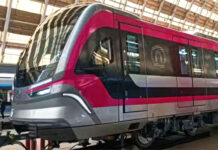
Recent years have added a fresh layer of surprise. Wuhu is now one of the few Chinese cities whose urban personality includes a monorail; its two-line rail transit system, opened in 2021, gave the city not only new mobility but also a touch of futurism. It suits Wuhu; practical first, but not averse to showing off a little.
近些年,芜湖又多了一层让人意外的新面貌。如今,它已是中国少数拥有单轨交通系统的城市之一;2021年开通的两条轨道线路,不只改变了出行方式,也给这座城市添了一点未来感。这很像芜湖;首先务实,但偶尔也并不介意亮一亮相。
And that may be Wuhu’s real charm. Outsiders often think they know what it is; a place of factories, perhaps, or of river traffic and old commerce. Yet the city is softer and stranger than that, able to move from treaty-port memory to theme parks, from iron pictures to electric vehicles, without seeming especially troubled by the jump.
而这或许正是芜湖真正迷人的地方。外地人常以为自己早就知道它是什么;也许是一座工厂之城,也许是一座江运与商贸之城。但真正到了这里,才会发现它比这些印象更柔和,也更有一点自己的趣味。它可以从开埠记忆走到主题乐园,从铁画走到电动车,而且过渡得并不生硬。
So that first crossing over the Yangtze tells the story better than it first appears. On one side is the old logic of river China; on the other is a city still making things, moving things and finding new ways to surprise people who thought they had already sized it up.
因此,开头那次跨过长江的进入方式,本身就比看上去更能说明问题。江的一边,是中国传统的水运逻辑;江的另一边,则是一座仍在制造、仍在流通,也仍不断带来新意的城市,专门让那些自以为早已看懂它的人重新改观。
Wuhu is served by Wuhu Xuanzhou Airport, is about 2.5 hours by high-speed train from Shanghai and about 6 hours from Beijing.
芜湖由芜湖宣州机场服务,乘高铁到上海约2个半小时,到北京约6小时。