



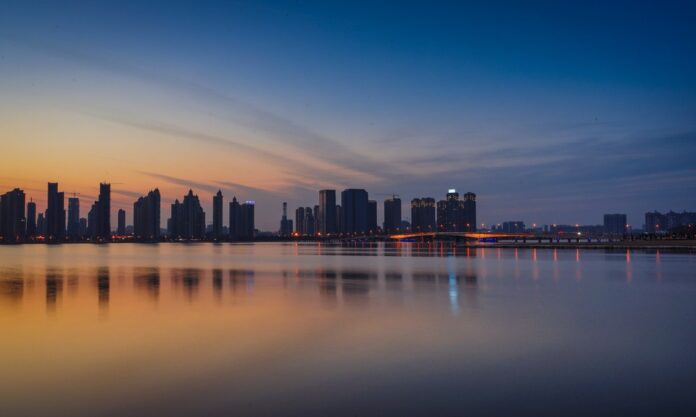



Silvery by nickname and stubborn by history, Bengbu still carries the feel of a city pulled into being by water, pearls and railways; yet beneath that old industrial skin, the so-called Pearl City is busy teaching itself newer tricks.
以“珠城”为名的蚌埠,骨子里却并不柔弱。这座城市像是被河水、珍珠和铁路一路拉扯着长大的;而在那层旧工业气质之下,它如今也正悄悄学会一些更新的本事。
The name tells the first part of the story. Bengbu grew from a place associated with mussels and pearls on the Huai River, where boats paused, trade gathered and a settlement slowly became a port. Even now, the city still leans instinctively toward movement and exchange.
名字本身就说明了故事的第一层。蚌埠起初与淮河上的河蚌和珍珠有关;船只在这里停靠,买卖在这里聚集,一个渡口慢慢长成了一座港埠。直到今天,这座城市依然天然地偏向流动与交换。
Its roots, though, are older than commerce. The wider Bengbu area is tied to the Shuangdun site and the Yuhui Village site, reminders that this stretch of Anhui Province was not some late-made industrial accident, but part of a much deeper human story, one that local imagination still links to Yu the Great.
不过,它的根并不止于买卖。更广义的蚌埠地区,与双墩遗址和禹会村遗址紧密相关,这提醒人们,安徽这一段土地并不是后来才被工业临时拼接出来的地方,而是有着更深的人类故事,当地人至今也仍把它与大禹的传说联系在一起。
Modern Bengbu, however, arrived with steel and steam. As Chinese-language city histories put it, this was the “city pulled here by the train”; the opening of the Jinpu Railway and the building of the Huai River rail bridge helped turn Bengbu from a regional market town into one of northern Anhui’s most important commercial and transport hubs.
而近代意义上的蚌埠,则是伴随着钢铁和蒸汽真正到来的。正如中文城市史料常说的那样,这是一座“火车拉来的城市”;津浦铁路的开通,以及淮河铁路大桥的建成,让蚌埠从区域性市镇迅速变成皖北最重要的商贸与交通枢纽之一。


Pearls, Ports and the City the Railway Built
珍珠、港埠与一座被铁路拉起来的城市
According to Chinese-language city references and current material on Bengbu, that transport logic never really left. The city formally became Anhui’s first provincially administered city in 1947, and even now much of its civic self-confidence still comes from being a hinge between north and south, river and rail, older industry and newer ambition.
根据中文城市资料和近年的蚌埠相关材料,这种交通枢纽逻辑其实从未真正离开。蚌埠于1947年正式设市,也是安徽省最早的省辖城市;直到今天,它的城市自信仍有很大一部分来自这种枢纽位置,夹在南北之间,也连接着河运、铁路、旧工业和新野心。
For decades, Bengbu was known as a serious industrial place. That reputation remains, but it has changed shape. Glass and new materials now matter enormously, with Bengbu’s long association with the glass industry giving it a role in newer display and materials technologies that travels far beyond the city itself.
很多年里,蚌埠最鲜明的标签,都是工业城市。这个判断今天仍然成立,只是样子已经变了。玻璃和新材料如今尤其重要;蚌埠与玻璃产业的长期关系,也让它在新型显示和材料技术上拥有了超出城市体量的存在感。
Other industries have learned to grow around that base. Bio-based manufacturing, agricultural processing, electronic information and sensor-related technology all now claim space in the city’s future, while the China (Anhui) Pilot Free Trade Zone’s Bengbu area has added a more outward-looking note to the local pitch.
其他产业也在这一基础上继续生长。生物基制造、农产品深加工、电子信息以及与传感器相关的技术,如今都在争夺蚌埠未来的一席之地;而中国(安徽)自由贸易试验区蚌埠片区的设立,也让这座城市的对外姿态显得更明确了一些。


Yet Bengbu is not only furnaces, freight and factory gates. Longzi Lake gives the city a softer centre, while Zhanggongshan and the city museum help pull attention back toward landscape, memory and daily civic pride. Add to that the folk force of Huagudeng and Sizhou opera, and Bengbu begins to feel less stern than first impressions suggest.
但蚌埠当然也不只有炉火、货运和厂门。龙子湖给了这座城市一个更柔和的中心,张公山和市博物馆则把人的目光重新拉回风景、记忆和日常的城市自豪感。再加上花鼓灯和泗州戏那股民间劲头,蚌埠也就比第一眼看上去更有温度一些。
Glass, Sensors and a North Anhui City Looking Forward
玻璃、传感器与一座向前看的皖北城市
What makes Bengbu interesting now is not that it has escaped its past, but that it has kept recasting it. The old port city became a railway city; the railway city became an industrial city; and the industrial city is now trying, without too much drama, to become something smarter, lighter and more internationally legible.
如今蚌埠真正有意思的地方,不在于它摆脱了自己的过去,而在于它不断重写自己的过去。过去的港口城市,后来成了铁路城市;铁路城市,后来成了工业城市;而这座工业城市如今又正试着,不动声色地变得更聪明、更轻一些,也更容易被外部世界读懂。
So that silvery first impression is only half the truth. Bengbu may still wear the look of an older working city, but beneath it runs the same instinct that shaped it in the first place; keep moving, keep making and keep finding a reason to matter.
所以,开头那种带着一点银亮感的第一印象,其实只说对了一半。蚌埠或许仍保留着一座老工业城市的外表,但在那之下流动着的,仍是最初塑造它的那股本能;继续流通,继续制造,也继续为自己找到重要的理由。
Bengbu is served by Bengbu Tenghu Airport, is about 2.5 hours by high-speed train from Shanghai and about 3 hours from Beijing.
蚌埠由蚌埠滕湖机场服务,乘高铁到上海约2个半小时,到北京约3小时。