



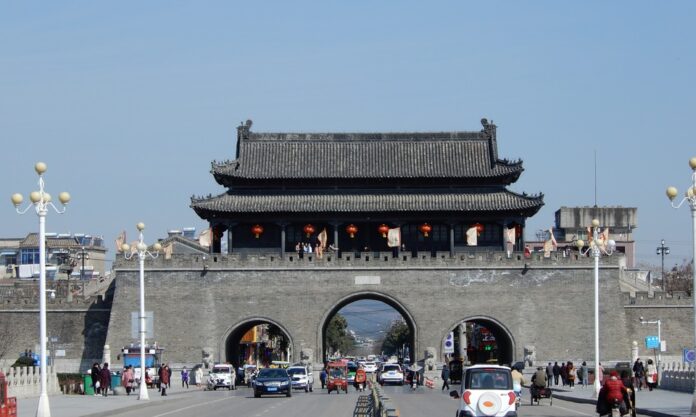


Smoke-blackened in memory yet brighter in ambition, Huainan in Anhui Province is the sort of city that catches people leaning on old assumptions; file it away as coal country and it answers with tofu, tombs, philosophy and the stubborn energy of reinvention.
在人们的旧印象里,淮南总带着煤灰的颜色;可在今天,它又亮出了另一面。就在你以为这里不过是一座煤城时,它却端出豆腐、楚墓、哲思,以及一种不肯停下来的再造劲头。
Set in the middle reaches of Anhui and stretched along the Huai River, Huainan has history older than its industrial fame. Nearby Shouxian was once tied to the ancient State of Chu, while Bagong Mountain still carries the echo of stories so old they hardened into idiom. Cities like this do not begin with smokestacks.
淮南位于安徽中部,沿淮河展开;它的历史比工业名声更早。附近的寿县曾与古楚国紧紧相连,八公山至今仍回响着那些古老得已化为成语的故事。像这样的城市,起点从来不是烟囱。
Then there is Liu An, Prince of Huainan, scholar, patron and the figure most closely linked with both the Huainanzi and the legend of tofu’s birth. Few places are lucky enough to claim a philosophy text and a national comfort food in the same breath. Huainan says both, and does so without blushing.
再往下说,就绕不开淮南王刘安。这位学者与主人公般的人物,既与《淮南子》紧密相连,也和豆腐起源的传说绑在一起。能同时认领一部哲学经典和一种国民食物的城市并不多,淮南偏偏两样都占了,而且说来并不心虚。


Before the Mines Came Princes, Mountains and the Huai
在矿井到来之前,这里先有王侯、山川与淮河
According to the Huainan municipal government, the modern city took shape as a province-level city in 1952 and grew fast on coal, chemicals and power generation. For decades, it helped keep eastern China lit. That legacy brought jobs and stature; it also left Huainan wearing the kind of heavy industrial reputation that is hard to shrug off.
据淮南市政府资料,现代意义上的淮南于1952年设市,此后依靠煤炭、化工和电力快速成长。很多年里,它都在为华东输送光亮。这份家底带来了岗位与分量;也让淮南背上了一身不太容易抖掉的重工业名声。
Yet the numbers now suggest a city trying to move with the times. Huainan’s 2025 GDP reached about ¥175 billion, up 4.6 percent year on year, while manufacturing rose 8.8 percent. More striking still were jumps in equipment manufacturing, car production and lithium batteries. This is not the rhythm of a place content to live off yesterday’s fuel.
但如今的数据,已让人看到一座努力跟上时代的城市。2025年,淮南地区生产总值约为¥1750亿元,同比增长4.6 percent,制造业增加值增长8.8 percent。更醒目的,是装备制造、汽车和锂电池的跃升。这不是一座甘心只靠昨日燃料过活的城市节奏。
That helps explain the new language coming out of the city. Huainan still has mines, shafts and power stations in its bones, but it also has a national high-tech zone, newer display-industry ambitions and a university base led by Anhui University of Science and Technology. Reinvention here is not theatrical. It looks more like a hard hat learning fresh tricks.
这也解释了淮南如今说话的方式。它骨子里当然还有矿井、井架和电厂,但它同样拥有国家级高新区、新型显示产业的野心,以及以安徽理工大学为代表的高校基础。这里的转型并不花哨,更像是一顶安全帽在认真学新本事。


How an Old Energy Base Learns to Speak in New Ways
一座老能源城如何学会新的表达方式
If industry gave Huainan its muscle, culture keeps giving it a second life. The city’s recent archaeological prominence has come through the Wuwangdun tomb, while Bagong Mountain remains linked not only to tofu but also to the famous image of “grass and trees looking like soldiers”. In Huainan, old China keeps turning up in the middle of modern planning meetings.
如果说工业给了淮南力量,那么文化就在不断给它第二次生命。近年的武王墩楚墓,让这座城市在考古版图上格外醒目;而八公山不仅连着豆腐,也连着“草木皆兵”的典故。在淮南,古老中国总会在现代规划会议的半路上忽然冒出来。
There is also an outward face here that visitors often miss. The China Tofu Cultural Festival helped make Huainan known beyond Anhui Province years ago, bringing together culture, trade and a little civic theatre. For a city once seen mainly as an energy base, that matters. Huainan has long exported more than coal; it has also exported stories about taste, learning and survival.
淮南还有一张常被外地人忽略的外向面孔。多年前,中国豆腐文化节就已让它走出安徽,把文化、经贸与一点城市戏剧感拧在一起。对一座曾主要被视作能源基地的城市而言,这很重要。淮南输出的从来不止煤,还有关于味道、学问与生存的故事。
Served primarily by Hefei Xinqiao International Airport and linked by high-speed rail through stations such as Huainan South, the city now sits within easier reach than its reputation suggests; roughly three hours from Shanghai and about four from Beijing. So if Huainan once looked simple enough to file away under smoke, the journey itself is now an easy way to discover why that was always too neat.
淮南主要借力合肥新桥国际机场对外通达,并通过淮南南站等高铁站接入更大网络;它如今其实比名声里更容易抵达,约3小时可至上海,约4小时可达北京。若说人们过去总爱把淮南简单归进“煤烟”那一格,那么今天的旅程本身,就足以说明这种归类从来都太轻率了。