



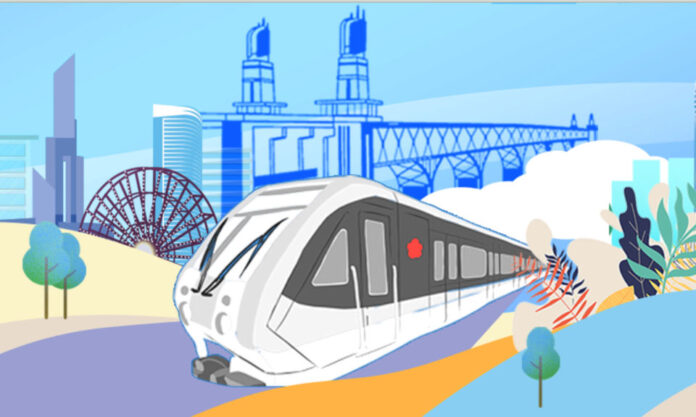



Tucked away in Pukou, Nanjing Metro Line 11 is still inching forward; station by station, tunnel by tunnel, promise by promise. Yet with each fresh construction update, the same awkward question returns for residents of Jiangbei; why is this line still not anywhere near ready?
藏在普口,南京地铁11号线仍在向前迈进;车站又一站,隧道又隧道,承诺又承诺。 然而,随着每次新的施工更新,江北居民都会再次出现同样的尴尬问题;为什么这条线路仍然没有准备好?
The latest progress report offers another small piece of encouragement. Work around Liuzhou Dong Lu Station has moved on again, with traffic diversion completed to clear the way for the next phase of construction. Elsewhere in recent months, more stations have topped out and more sections have pushed deeper into the civil-works stage.
最新的进度报告提供了另一个小小的鼓励。 柳州东路站周围的工程又重新进行了,交通分流已经完成,为下一阶段的施工扫清了道路。 近几个月来,在其他地方,更多的站点已经达到顶峰,更多的部分已经深入土木工程阶段。
That’s the good news. The less cheerful truth is that Line 11 has now been under construction since the end of 2021, and it was long sold as a line due to open in 2026. Today though, what can still be seen on the ground looks much more like a project in mid-journey than one preparing to welcome passengers.
那是好消息。 不太乐观的事实是,11号线自2021年底以来一直在建设中,它早已作为线路出售,将于2026年开通。 然而,今天,在地面上仍然可以看到的东西看起来更像是一个中途的项目,而不是一个准备欢迎乘客的项目。

According to the Jiangbei New Area’s own “Talk About Line 11” updates (yes, it’s such a concern the government feels the public need reassurance via a dedicated portal), the line is certainly advancing. But that’s not the same as arriving. A station capped beneath the Nanjing Yangtze Bridge, a traffic switch here, a completed interchange passage there; these are milestones, yes, but they are not the sort that suggest opening day is just around the corner.
根据江北新区自己的“谈论11号线”更新(是的,政府非常担心公众需要通过专用门户网站得到保证),这条线路肯定在推进。 但这和到达不一样。 南京长江大桥下有一个车站,这里有一个交通开关,那里有一个完整的换乘通道;这些是里程碑,是的,但它们并不是那种表明开放日就在眼前。
Jiangbei Waits While the Clock Keeps Moving
江北在时钟不断移动时等待
That matters because Line 11 is not some decorative extra. It’s touted as Jiangbei’s north-south backbone, tying together Pukou, the core of the New Area, points north of that famous Bridge and key development zones, while also connecting with Lines 3 and 10, S3 and S8. On paper, it is the sort of route that changes how a whole side of a river works.
这很重要,因为第11行不是一些额外的装饰。 它被吹捧为江北的南北支柱,将新区核心的浦口、那座著名桥梁和关键开发区以北的点连接起来,同时也与3号线和10号线、S3号线和S8号线相连。 从纸面上说,它是那种改变河流整个侧面运作方式的路线。
Instead, Jiangbei is still wanting. And waiting. For many residents, that patience now comes with a sense of deja vu. Nanjing Metro Line 5, which finally opened in full only recently, took almost 10 years from the start of construction to proper completion. In a country where a metro line often takes around five years to build, that is already epic.
相反,江北仍然想要。 并且等待。 对于许多居民来说,这种耐心现在伴随着一种似曾相识的感觉。 南京地铁5号线最近才正式全面开通,从开工到正式完工花了近10年时间。 在一个地铁线路通常需要五年左右才能建成的国家,这已经是史诗般的了。
Line 5, at least, had excuses. There was COVID, which interrupted construction across the country. There were also repeated discoveries of underground cultural relics along the route, forcing pauses, redesigns and the sort of archaeological caution that no sensible city can simply bulldoze aside. Such a delay was frustrating, but not always mysterious.
至少第5行有借口。 新冠肺炎中断了全国各地的建设。 沿途还反复发现地下文物,迫使暂停、重新设计和那种任何理智的城市都无法简单地推土的考古警示。 这样的延迟令人沮丧,但并不总是神秘的。



But Line 11 may also be suffering from a more ordinary problem; complexity of management. The route has been divided among three major construction companies, and while that may spread the workload, so also the responsibility thereto. When a project is chopped into large pieces, coordination itself can become a delay, especially where schedules and standards must align.
但第11行也可能面临一个更普通的问题;管理的复杂性。 这条路线被分为三家主要建筑公司,虽然这可能会分散工作量,但也有责任。 当一个项目被切成大块时,协调本身可能会成为延迟,特别是在时间表和标准必须一致的地方。
This Time the Mystery Feels Harder to Ignore
这一次,这个谜团感觉更难忽视
Line 11 still does not enjoy quite the same alibi as Line 5. Pukou is not Nanjing’s old imperial core. It is not especially famous for throwing up dense clusters of buried relics every time a tunnel-boring machine sneezes. That does not mean that neither the geology or engineering is simple or easy; but it does mean the public is left wondering what, exactly, is eating all this time.
11号线仍然没有享受到与5号线相同的不在场证明。 普口不是南京的旧帝国核心。 它并不特别出名,因为每次隧道钻孔机打喷嚏时都会吐出密集的埋藏文物。 这并不意味着地质学或工程学都不简单或容易;但这确实意味着公众一直想知道到底在吃什么。
Some of the answer may lie in the ordinary slog of big infrastructure. Land clearance, utility relocation, interchange complexity, deep excavations and the sheer scale of the route all slow things down. But the feeling remains that the official language has stayed oddly light while the calendar has grown steadily heavier.
一些答案可能在於大型基础设施的普通工作。 土地清理、公用事业搬迁、交汇处的复杂性、深度挖掘和路线的规模都减缓了速度。 但这种感觉仍然是,官方语言一直很奇怪地轻,而日历却稳步变重。
That is why each new Line 11 progress notice lands with two moods at once. One is relief; yes, the thing is still moving. The other is suspicion; moving towards, “What date, exactly?”, to which, “Soon” is not a timetable, “Steadily” is not a deadline. At some point, concrete updates need to become answers.
这就是为什么每个新的11号线进度通知都会同时以两种情绪降落。 一个是解脱;是的,事情还在移动。 另一个是怀疑;走向“具体是什么日期?”,“很快”不是时间表,“稳定”不是截止日期。 在某些时候,具体的更新需要成为答案。
So tucked away in Pukou, Line 11 continues to inch forward as if time were merely another construction material to be poured and left to set. Residents of Jiangbei can at least see movement. What they still cannot clearly envision is the finish line; and that, more than any single delay, is what now really stings.
如此藏在普口,11号线继续向前走,仿佛时间只是另一种要浇灌和设置的建筑材料。 江北居民至少可以看到运动。 他们仍然无法清楚地想象到终点线;这比任何单一的延迟都更令人痛。