



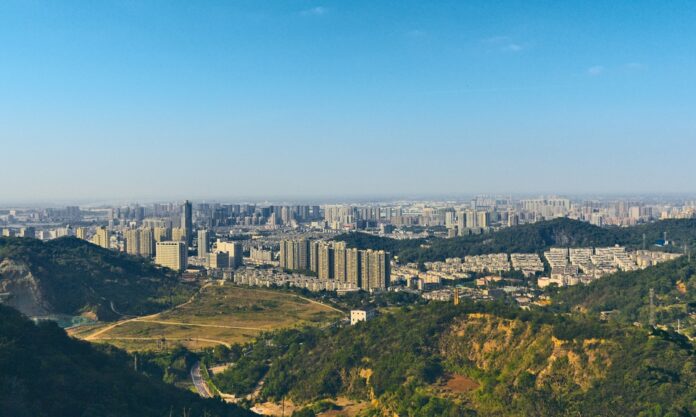



Fresh along the lower Yangtze, Tongling still feels like a city built from hammer blows, river wind and the steady pull of ore from the earth. It is smaller than many of Anhui’s better-known neighbours; yet it carries a heavier story than its size suggests.
长江下游的铜陵,至今仍像是一座由锤击声、江风和地下矿脉共同塑造出来的城市。它的体量并不比安徽许多更知名的城市大;但它所承载的故事,却比外表看上去更厚重。
According to Tongling government background material and Chinese reporting, copper mining here goes back more than 3,000 years. That is no decorative claim. It is the reason Tongling is still widely known as China’s ancient copper capital; copper was not a side note here, but a way of life.
根据铜陵市政府资料和相关中文报道,这里的采铜历史可追溯至3000多年前。这不是一句装饰性的说法。它正是铜陵至今仍被广泛视为“中国古铜都”的原因;在这里,铜从来不是配角,而是一种生活方式。
The city’s history has always been practical rather than pretty. It grew around extraction, smelting and river traffic; then, over time, around the harder business of turning that inherited strength into something modern. Tongling was made by industry, but it has not let industry make it dull.
铜陵的历史一直更偏向实用,而不是漂亮。它围绕开采、冶炼和江运而生;随后又逐渐转向一项更难的任务,把这份继承下来的力量,变成现代城市的底气。铜陵是被工业塑造出来的,但它没有让工业把自己变得单调。

Copper made Tongling, but It Never made it Small
铜造就了铜陵,但没有让它变小
Tongling’s appeal lies in the mix. There are old industrial quarters and new parks, mine scars and green hills, bronze history and a river city calm that creeps up on you. It is a place where the past is never fully packed away. It just learns to sit beside the present and keep watch.
铜陵的吸引力,就在这种混合感里。这里有老工业区,也有新公园;有矿坑留下的痕迹,也有绿色山体;有青铜历史,也有一种慢慢渗出来的江城安静。这里的过去从来没有被彻底收起。它只是学会了安静地坐在今天身边,看着一切继续往前走。
That old copper culture still matters. It gives Tongling a cultural spine, visible in museums, scenic industrial remains and the wider local pride in bronze civilisation. For visitors, that can be more interesting than a slick skyline. For the city itself, it is a reminder that identity can be mined as carefully as metal.
那份老铜文化至今仍然重要。它给了铜陵一条文化脊梁,在博物馆、工业遗存景观和更广泛的青铜文明自豪感中都看得见。对游客来说,这也许比光鲜的天际线更有意思。对这座城市来说,这提醒人们,身份也可以像金属一样被小心开采、精细打磨。
Tongling also needs the next generation to keep that story moving. Education and skills training have become part of the city’s economic script, because copper today is not only mined and melted. It is processed, refined, upgraded and linked to new materials, equipment manufacturing and cleaner production lines. The city’s future depends on people who can do that work well.
铜陵也需要下一代继续把这个故事往前推。教育和技能培训,已经成为这座城市经济叙事的一部分,因为今天的铜早已不只是开采和熔炼。它还要经过加工、提纯、升级,并与新材料、装备制造和更清洁的生产线连接起来。铜陵的未来,取决于那些能把这些工作做好的人。
Bridges, Industry and a City on the Move
桥梁、工业与一座正在移动的城市
The most visible sign of Tongling’s newer ambition is the Third Tongling Yangtze River Bridge, also known as the G3 Tongling Yangtze River Highway-Railway Bridge. Opened to road traffic in 2025, it is more than a crossing. It is a statement. It says Tongling is no longer just a place beside the river; it is a place pushing across it.
铜陵新野心最直观的标志,就是铜陵长江三桥,也就是G3铜陵长江公铁大桥。它于2025年实现公路通车,不只是一座跨越长江的桥,更像是一种宣言。它在说,铜陵不再只是江边的一座城,而是在主动向江的另一边伸展。


That matters because Tongling’s economy still rests on copper, but the city has been trying to lift itself up the value chain. New materials, advanced manufacturing and greener industrial methods now sit beside the old base. The story is less about abandoning the past than squeezing more out of it; less smoke, more precision, less bulk, more value.
这很重要,因为铜陵的经济底座仍然是铜,但这座城市一直在努力向价值链上端爬升。新材料、先进制造和更绿色的工业方式,如今已经和旧产业基础并肩而立。这个故事不是放弃过去,而是把过去榨出更多价值;少一点烟火气,多一点精度;少一点体量,多一点价值。
Recent reporting has also placed Tongling more firmly inside the Yangtze River Delta conversation. Better rail links and bridge connections have made the city feel less remote and more connected to Nanjing, Hefei and Shanghai. For a place that once depended on what came out of the ground, that kind of access is its own form of wealth.
近期报道也把铜陵更明确地放进了长三角的讨论中。更好的铁路连接和跨江通道,让这座城市不再显得那么远,也让它和南京、合肥、上海的联系更紧了。对于一座曾经高度依赖地下资源的城市来说,这样的通达,本身就是一种财富。
Tongling has not forgotten how to be lived in, either. Tianjing Lake, the old mine landscape and the city’s river edge still give it texture. It is not a city that shouts. It does something more appealing than that. It lets history, industry and everyday life share the same frame without too much fuss.
铜陵也没有忘记如何被人居住。天井湖、老矿区景观和江岸地带,仍然给这座城市留下了层次感。它不是一座爱喊话的城市。它做的是另一件更讨喜的事:让历史、工业和日常生活,在同一画面里自然共存,而不必太过张扬。
Tongling is served by Tongling North Railway Station and Tongling Railway Station; the first ties the city into the high-speed rail network, while the older line still carries local journeys. That feels right for a place whose future is moving faster now, but whose copper roots still run deep under the surface.
铜陵拥有铜陵北站和铜陵站;前者把这座城市接入高铁网络,后者仍承担着本地出行的功能。这很符合一座城市今天的状态:它的未来正在加速,而铜的根系仍然深埋在地层之下。