






Many a parent of a teenager will be aware of their offspring’s enterprising endeavours. Initially, that may be making stuff to sell to their classmates. But teenagers grow up and times change. And many now realise the market is much bigger than they imagined.
许多青少年的父母都会意识到他们的孩子的进取努力。最初,这可能是制作东西卖给同学。但青少年会长大,时代会变。许多人现在意识到市场比他们想象的要大得多。
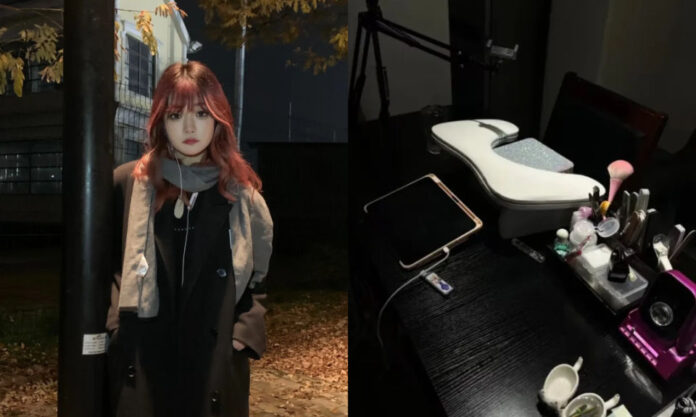
Little Deer is the online name by which one student at a 985 Project university in Xi’an goes who has opened a nail shop in the empty dormitory next door to hers. One night, some time after 21:00, she received a message from someone 20 kilometres away who intended to take a taxi to get her nails done right away. Little Deer reflected that being idle is idle anyway; better to earn some money. She immediately rolled out of bed.
“小鹿”是西安某985大学一名学生的网名,她在隔壁的空宿舍里开了一家美甲店。一天晚上21:00多一点,她收到20公里外的人发来的消息,要立即打车去修指甲。小鹿想,闲着也是闲着,闲着也是闲着。更好地赚一些钱。她立刻从床上滚了起来。
Data released recently shows that more than 80 percent of college students in China have the experience of working part time to make money. The most common areas are teaching and training, writing and catering.
最近公布的数据显示,中国80%以上的大学生有过打工赚钱的经历。最常见的领域是教学和培训、写作和餐饮。
But in the past 2 years, a new trend has emerged for both college students and high school students alike; opening a shop in a dorm.
但在过去的两年里,无论是大学生还是高中生都出现了一种新趋势:在宿舍里开店。
With so many colleges and universities across the country, a wide variety of dormitory shops have sprouted. With everything from nails, makeup and desserts, to coffee and printing, the phenomenon is comparable to a shopping district.
全国各地高校众多,各种各样的宿舍商店如雨后春笋般涌现。从美甲、化妆品、甜点,到咖啡和印刷,应有尽有,这种现象堪比购物区。
It’s little wonder too, since there are enormous advantages to having a shop in a dormitory compared to off-campus entrepreneurship, as the WeChat official account “Ribbon” (一条) reports.
这也不足为奇,正如微信公众号“丝带”报道的那样,在宿舍里开店比在校外创业有巨大的优势。
After all, there is no need to pay rent, no need to choose a location and no need for renovations. Then there is the large and stable base of potential customers, plus the flexible-working hours which for many can be just 1 or 2 hours per day. It represents enough to live on.
毕竟,不需要付房租,不需要选址,不需要装修。其次是庞大而稳定的潜在客户群,再加上灵活的工作时间(对许多人来说,每天只有 1 或 2 小时)。它代表足够的生活。



In the case of Little Deer, she can make over ¥3,000 per month during the low season and even ¥8-9,000 in high season.
以小鹿为例,淡季时她每月能赚3000多元,旺季时甚至能赚到8-9000元。
Meanwhile, the late night order referred to earlier is far from her first. Before the holidays, she will need work until midnight. As she says, “Nails are already a very common thing, and almost every female college student has one on her hand.” In the 3 years since her dormitory shop opened, Little Deer has received more than 600 guests.
与此同时,前面提到的深夜订单远非她第一次。假期前,她需要工作到午夜。正如她所说,“指甲已经是很常见的东西了,几乎每个女大学生的手上都有一个。”小鹿宿舍店开业三年来,已经接待了600多名客人。
Then there is the interesting case of Yiqi, a senior student at a dual-campus school in Nanjing who is about to graduate. Today, when physical-clothing stores are almost unheard of, she has opened such a shop in her dormitory. To many perhaps an usual route to take, but Yiqi sees its as a business opportunity.
还有一个有趣的例子,南京一所双校区学校即将毕业的大四学生伊琪。在实体服装店几乎闻所未闻的今天,她在宿舍里开了这样一家店。对于许多人来说,这也许是一条常见的路线,但一奇将其视为一个商机。
“I love to buy clothes and make up, and for many girls like me, it seems as if there is always a shortage of a new item”, said Yiqi. “For example, after a day of class, you want to go out to dinner or for fun, but when you rummage through your boxes, you just don’t have a suitable item to wear.”
“我喜欢买衣服和化妆品,对于很多像我这样的女孩来说,似乎总是缺新货”,伊奇说。 “例如,一天的课程结束后,你想出去吃饭或出去玩,但当你翻箱倒柜时,却没有合适的衣服穿。”
With a high proportion of girls in her school and its campus located in a relatively remote location, going to a mall is sure to involve a taxi or the metro. And many girls after all, like shopping very much!
由于她的学校女生比例很高,而且校园位置相对偏远,去商场肯定需要乘坐出租车或地铁。而且很多女孩子毕竟是非常喜欢逛街的!
“Buying clothes online, many of them are pre-sold and you have to wait 10 days or more, which is the shortcoming of e-commerce”, Yiqi added. “I thought how great it would be if there was a convenient, cost-effective place in the dorm, where you could also choose you own styles.”
“网上买衣服,很多都是预售的,要等10天甚至更长时间,这是电商的短板。”一奇补充道。 “我想,如果宿舍里有一个方便、划算的地方,你也可以选择自己的风格,那该多好啊。”


Up north in Beijing, 16 year old Huang Huang studies at an international school, in which the canteen is crowded during peak hours with long queues. High-school students are growing physically, and they often feel hungry in the afternoons and evenings.
在北京北部,16岁的黄黄在一所国际学校读书,高峰时段食堂里挤满了人,排起长队。高中生身体正在发育,下午和晚上经常感到饥饿。
Swiping short videos of people opening stores and packaging online, it hit her that perhaps she could start a snack shop at school to provide more options for her classmates.
网上刷着人们开店、包装的短视频,她突然想到,或许自己可以在学校开一家零食店,为同学们提供更多选择。
Partnering with several classmates, their operation began with just ¥100 as start-up capital. The format is simple; to ensure food safety, they buy from Sam’s Club, items such such as cakes, chocolate cookies, soufflés and meat pies, as well as healthier foods including milk and juice. Upon receipt, Huang Huang’s team divide them up at noon the same day, wrap them, add customised stickers and put such small packages on the shelves.
他们与几位同学合作,仅用了100元的启动资金就开始了运营。格式简单;为了确保食品安全,他们从山姆会员店购买蛋糕、巧克力饼干、舒芙蕾和肉馅饼等商品,以及牛奶和果汁等更健康的食品。收到货后,黄黄的团队在当天中午就将它们进行了分割、包装、贴上定制的贴纸,然后将这样的小包装放在货架上。
Initially, the school did not agree with Huang Huang to open a shop therein, but the team volunteered to communicate with the teaching director and the principal, explaining to them the benefits of opening a snack shop for their classmates.
起初,学校并不同意黄黄在学校开店,但团队主动与教学主任和校长沟通,向他们解释开小吃店给同学们带来的好处。
Finally the school was convinced. On account of this experience, Huang Huang found that she was more daring to communicate with others, and that she was no longer afraid to face adults who are more powerful than herself.
最终学校被说服了。有了这次经历,黄黄发现自己更加敢于与别人交流,也不再害怕面对比自己强大的大人了。