





Our emotions are colour coded. Love is red, so is anger. Envy is green, so is generosity. Sadness is blue, so is tranquility. As is the case with so much in life, the paradoxical is often the most comfortable truth in the end. Blue is universally a favourite colour for humans worldwide, although it is also the sad colour, this last colour to appear in the human annals of history. Blue. As the rarest colour to appear spontaneously in nature, its elusive and ephemeral quality make it mystical, rare, and, as such, quite valuable. Only 8 percent of the global population have blue eyes. I must know most of them.
我们的情绪是彩色编码的。 愛是紅色的,憤怒也是。 嫉妒是绿色的,慷慨也是绿色的。 悲伤是蓝色的,宁静也是如此。 就像生活中的许多事情一样,自相矛盾的往往是最终最舒适的真相。 蓝色是全世界人类普遍最喜欢的颜色,尽管它也是可悲的颜色,这是人类历史上最后一个出现的颜色。 蓝色。 作为自然界中自发出现的最稀有的颜色,其难以捉摸和短暂的品质使它变得神秘、罕见,因此相当有价值。 全球只有8%的人口有蓝眼睛。 我一定知道他们中的大多数。
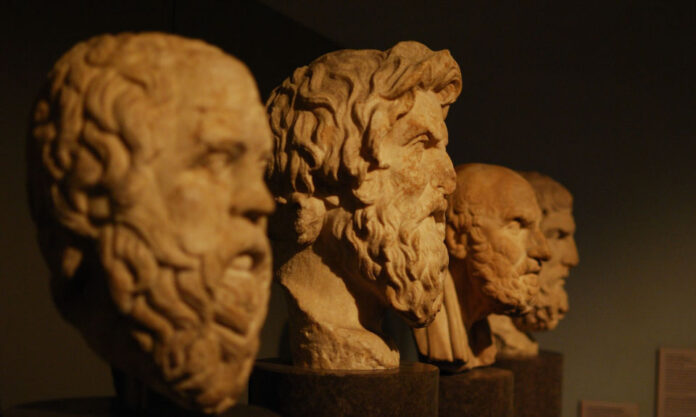
The “wine dark sea” of Homer’s Ancient Greek musings excites linguists excessively. (Scholars aren’t actually sure if Homer existed, but if he did, it was in the 9th century BCE. Or the 8th.) We know the Ancient Greeks did not have a word for the colour blue. It is conspicuous in its absence from Ancient Mandarin, Greek and Sanskrit. Only in Ancient Egypt did a word for the colour blue evolve relatively early. Across cultures, blue is the last to appear. Colour categories vary as vastly as the local cuisine; think Beijing duck compared to liver and onions. Both are ostensibly food, yet the quality and enjoyment of both is encultured.
荷马古希腊沉思中的“酒黑海”让语言学家们过度兴奋。 (学者们实际上不确定荷默是否存在,但如果他存在,那是在公元前9世纪。 或者8号。) 我们知道古希腊人没有用一个词来形容蓝色。 古代普通话、希腊语和梵语中没有它,这很显眼。 只有在古埃及,蓝色这个词才相对较早地进化。 在不同文化中,蓝色是最后出现的。 颜色类别和当地美食一样差异很大;想想北京烤鸭与肝脏和洋葱相比。 两者表面上都是食物,但两者的质量和享受都是文化化的。
It’s fun to take a look at the theories about colour through the ages, or those that have been preserved at least, and imagine those poor people trying to figure out stuff that seems so basic to us now.
看看历代关于颜色的理论,或者那些至少被保留下来的理论,并想象那些可怜的人试图弄清楚现在对我们来说似乎如此基本的东西,这很有趣。
We stand upon the shoulders of giants. Forgetful giants, who play loose and fast with time and attributions, as we shall see.
我们站在巨人的肩膀上。 正如我们将看到的,健忘的巨人,他们用时间和属性来放松和快速地玩耍。
What is colour has been a fascinating question since time immemorial.
自古以来,什么是颜色一直是一个令人着迷的问题。
Ancient Greek poet, Homer, and his ilk, did not have a word for blue, but they could see blue things, obviously. The world wasn’t a different colour back then. The Ancient Greeks defined colour by shade or tint more than by hue, so their categories ran from dark to light. This means we have to shift our linguistic paradigm to understand how this and other descriptions from that time might paint a wine dark, or indeed the “purple” sea of Cicero.
古希腊诗人荷馬和他的同族人没有蓝色这个词,但很明显,他们可以看到蓝色的东西。 那时的世界并没有变成不同的颜色。 古希腊人按阴影或色调来定义颜色,而不是按色调来定义颜色,因此他们的类别从暗到浅。 这意味着我们必须改变我们的语言范式,以了解当时的这种描述和其他描述如何将葡萄酒描绘成黑暗,或者实际上是西塞罗的“紫色”海。
Aristotle wrote an entire tome on colour, named aptly, “On Colours”. At least, they are fairly sure that Aristotle wrote it. Or maybe Theophrastus. Or Strato.
亚里士多德写了一整部关于色彩的书,恰当地命名为“论色彩”。 至少,他们很确定是亚里士多德写的。 或者也许是Theophrastus。 或者斯特拉托。
“On Colours” rejects the previous notion that “fiery rays” emanated from the eyes and then bounced back off objects in the line of sight. If so, argued Aristotle, then we would all have super-spy-movie night vision. He also rejected the notion that objects themselves beamed emanations at the eye, because when the eye was closed, it could not sense the colour when the object was pressed against it. So many questions…
“On Colors”拒绝了之前的观念,即“火热的光线”从眼睛中散发出来,然后从视线中的物体上反弹。 亞里士多德認為,如果是這樣,那麼我們都會有超間諜電影的夜視。 他还拒绝了物体本身向眼睛发出辐射的观念,因为当眼睛闭合时,当物体压在眼睛上时,它无法感知到颜色。 这么多问题……
Aristotle decided that colour must be sent down by the gods from the celestial rays. These he helpfully divided into four categories, earth, fire, water and earth.
亚里士多德决定,颜色必须由众神从天射线中降下来。 他将这些分为四类,土、火、水和土。
Suddenly, Homer’s wine dark sea doesn’t seem quite so out there.
突然间,Homer的酒的黑暗大海似乎不那么在那里了。
Here in The Middle Kingdom, the exquisite Ming Vases, (circa 1368- 1644) with their delicate blue scenes of life, lore, legend have secured their place in the popular conscience as the epitome of elegance in porcelain, or “china”, as it is also known.
在中王国,精致的明花瓶(约1368-1644)以其精致的蓝色生活场景、传说、传说在大众良知中占据了地位,成为瓷器或“瓷器”的优雅缩影。
However, it must be noted that this style of porcelain first appeared in the earlier Tang and Song dynasties, from 619CE onwards, and was much improved by the superior glazing techniques of the later 17th century Qing Dynasty. so the world renowned white and blue vases ascribed to the Ming are more a matter of luck than anything else.
然而,必须指出的是,这种风格的瓷器首次出现在早期的唐宋朝,从公元619年起,17世纪后期清朝的优越玻璃技术得到了极大的改进。因此,归因于明朝的世界著名的白色和蓝色花瓶更多的是运气问题。
What we can know with a greater degree of certainty is that here in Nanjing, Emperor Yongle was so impressed with the exquisite porcelain that he had an entire pagoda built in the 15th century to celebrate its beauty.
我们可以更肯定地知道的是,在南京,永乐皇帝对精致的瓷器印象深刻,以至于他在15世纪建造了一整座宝塔来庆祝其美丽。
A replica still stands to this day, The Porcelain Tower of Nanjing, perfect for a leisurely wander in the extreme ends of the temperature scale of our city.
南京瓷塔至今仍屹立不倒,非常适合在我们城市的极端温度范围内悠闲地漫步。
Other attempts to copy this delicate “china” are akin to the “Expectation vs Reality” videos so popular on social media these days. This beautiful blue captured hearts and minds worldwide, and potters outside of Middle Earth strove to replicate the ephemeral quality of the Ming porcelain, with little success.
其他复制这种微妙的“中国”的尝试类似于如今在社交媒体上非常流行的“期望与现实”视频。 这种美丽的蓝色俘获了全世界的心和思想,中土世界以外的陶工们努力复制明瓷的短暂品质,但收效甚微。
Elsewhere, Da Vinci, Leonardo, was the first recorded person to say, “Yes, but…” to Aristotle’s best effort on the why’s and wherefores’ of colour. In 1651, Polymath, “jack-of-all-trades”, genius, Da Vinci, wrote an entire treatise on colour, probably one afternoon when it was raining outside. Whilst surely understanding the Aristotelian perspective, he explored the necessity of both light and darkness in his paintings, ultimately rejecting the premise that white was the catalyst for all colour and black was its absolute absence. Da Vinci dismissed the binary, and opted for the spectrum, though that word is most widely associated with our next fearless champion in the colour conundrum.
在其他地方,达芬奇,莱昂纳多,是第一个被记录在案的人,对亚里士多德对颜色的原因和原因做出最大努力说“是的,但是……”。 1651年,多才多艺,“多才多艺”,天才达芬奇,写了一整篇关于色彩的论文,大概是在一个下午外面下雨的时候。 虽然他肯定理解了亚里士多德的观点,但他在他的画作中探索了光明和黑暗的必要性,最终拒绝了白色是所有颜色的催化剂,而黑色是绝对没有它的前提。 达芬奇否定了二元论,选择了光谱,尽管这个词最广泛地与我们在色彩难题中的下一个无畏的冠军有关。
The problem of what colour actually WAS still remained.
实际是什么颜色的问题仍然存在。
Sir Isaac Newton finally smashed it when he identified the ROYGBIV colors (red, orange, yellow, green, blue, indigo, and violet) messing around with sunlight and prisms at home in Lincolnshire, UK, in the 1660’s.
艾薩克·牛顿爵士在1660年代在英国林肯郡的家中发现了ROYGBIV的颜色(红色、橙色、黄色、绿色、蓝色、靛蓝和紫色),他终于粉碎了它。
After what must have been an enjoyable hyperfocus warp drive, Sir Issac was happy to definitively declare that there are seven colours on the human visible spectrum, and went outside for a nap under an apple tree.
在一次愉快的超聚焦经历之后,伊萨克爵士很高兴地明确宣布人类可见光谱上有七种颜色,然后到外面的苹果树下打了个盹。
As Sir Issac said “if the Sun’s Light consisted of but one sort of Rays, there would be but one Colour in the whole World”. Though not as compelling as Aristotle’s laser eye colour sensors, it is in many ways a more valuable perspective.
正如伊薩克爵士所說,「如果太阳光只由一种射線組成,全世界就只有一種顏色。」 虽然不像亚里士多德的激光眼色传感器那样引人注目,但在许多方面,它是一个更有价值的视角。
The rainbow used to have five colours until 1704, when Sir Isaac added indigo and orange because he had a fondness for the number seven. Blue didn’t used to exist. In some languages, it still doesn’t.
彩虹曾经有五种颜色,直到1704年,艾萨克爵士添加了靛蓝和橙色,因为他喜欢数字七。 蓝色过去并不存在。 在某些语言中,它仍然没有。
The history of colour is riddled with best guesses and brave “Yes, buts”. Colour, like knowledge, is subjective, malleable, subject to interpretation.
色彩的历史充斥着最好的猜测和勇敢的“是的,但是”。 颜色和知识一样,是主观的、可塑的,受制于解释。
Blue was now widely perceived and catalogued in many languages.
蓝色现在被许多语言广泛认识和编入目录。
But actually, there are no pure colours in the rainbow or anywhere. It is a spectrum through which light is refracted and then transmitted to the brain through the retina’s rods and cones and the optic nerve, as far as we know.
但事实上,彩虹或任何地方都没有纯净的颜色。 据我们所知,这是一个光谱,通过它折射光,然后通过视网膜的杆、锥体和视神经传递到大脑。
Spectrums are my favourite things. We have spectrums of personality, gender, emotions, mood, taste. What was true yesterday may not be true tomorrow.
频谱是我最喜欢的东西。 我们有个性、性别、情感、心情、品味的光谱。 昨天是真的,明天可能就不是真的了。
It may not even be true five minutes from now. Blue used to be wine dark, or green. We are only ever a better guess away from deeper understanding of our world.
五分钟后,这甚至可能不是真的。 蓝色曾经是深酒或绿色。 我们离更深入地理解我们的世界只有更好的猜测。
Who knows what other colours are out there, waiting for us to be ready, and able to comprehend them.
谁知道外面还有哪些其他颜色,等着我们准备好,并能够理解它们。
Embrace the spectrums!
拥抱光谱!