







Tao Yuanming wrote, in 365 AD, about a fisherman who stumbled into a hidden valley of blossoming peach trees, stayed for days, and marked his route home so carefully that he still could never find his way back a second time.
公元三六五年,陶渊明写下了一位渔夫的故事;他误入一片桃花盛开的隐秘山谷,在此逗留数日,归途中还特意沿路做下记号,可后来无论如何,却再也找不到回去的路。
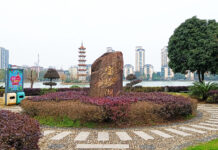
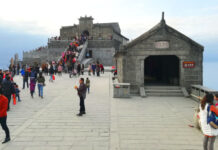
That failure to relocate the valley was the entire point of the story, a warning that paradise, once left behind, cannot be revisited on purpose. Changde has nonetheless spent the centuries since building a ticketed, GPS-locatable version of it, addressed simply as Taohuayuan Town on National Highway 319 in Taoyuan county, rated a national 5A scenic area and reachable by bus from the city centre in about an hour.
而这份”再也找不到”的结局,正是这则故事真正的用意所在——警示世人,乐土一旦离去,便再难刻意寻回。然而,此后的历代常德人却反其道而行之,将其打造成了一处如今有明确地址、可用GPS定位的实体景区,坐落于桃源县境内319国道旁的桃花源镇,评为国家5A级景区,自市区乘车约一小时车程即可抵达。
According to the Cihai and Ciyuan dictionaries, the standard reference works used to annotate classical Chinese literature, this stretch of Changde is formally recognised as the sole geographic prototype behind Tao Yuanming’s fiction, a designation the essay’s own narrator would presumably have found bewildering.
据用于注解中国古典文献的权威工具书《辞海》与《辞源》记载,常德的这一区域被正式认定为陶渊明这篇作品唯一的地理原型——这一认定,恐怕就连原文中那位渔夫本人听闻,也会感到匪夷所思。



Eight Thousand Men Held the City until Eighty-Three Remained
八千守军坚守至仅剩八十三人
Centuries later, Changde’s ability to be found became a matter of life and death rather than literary irony. In November 1943, some 8,000 Chinese soldiers of the 57th Division dug in against two invading Japanese divisions, part of a 60,000-strong offensive; sixteen days of house-to-house fighting later, only 83 of the defenders remained alive when reinforcements finally broke through.
几个世纪之后,常德是否能被找到,不再只是文学层面的反讽,而是关乎生死的现实。一九四三年十一月,中国军队第五十七师约八千名将士,在此抵御日军两个师团的进攻,而这仅是敌方六万余人攻势的一部分;经过十六个昼夜的逐屋巷战,直到援军最终突破封锁之时,守城将士仅剩八十三人生还。
The city fell briefly to Japanese forces on 6 December, before Chinese troops retook it within days and forced a full Japanese withdrawal by 5 January 1944, a reversal foreign correspondents at the time reported as an outright Chinese victory.
十二月六日,常德一度沦陷于日军之手,但数日之内,中国军队便将其收复,并于一九四四年一月五日迫使日军全线撤退;当时驻华外国记者,将这一战局逆转报道为中方的一场彻底胜利。

A Growth Rate Slower than the Province around It
一个增速慢于周边全省的经济体
According to the city’s own 2024 economic communiqué, Changde’s GDP reached ¥453.3 billion that year, up just 2.5 percent, one of the slower growth rates recorded among Hunan’s prefectures; the permanent population stood at 5.169 million, continuing a decline from 5.187 million the year before.
据该市自身发布的二零二四年经济统计公报显示,当年常德市GDP达四千五百三十二点七亿元,同比仅增长百分之二点五,增速在湖南各地州市中相对靠后;常住人口为五百一十六点九万人,较上年的五百一十八点七万人,仍延续着下降趋势。
Getting to Changde now means a high-speed rail journey of under two hours from Changsha, on a line that also continues north towards Wuhan, or a short flight into Taohuayuan Airport, named, inevitably, after the valley nobody in the original story could ever find again.
如今前往常德,可乘坐高铁,从长沙出发车程不到两小时,该线路继续向北可通往武汉;也可乘飞机抵达桃花源机场——这座机场的名字,不出所料,正是取自那个原著故事中,谁也无法再次寻回的山谷。
Buses now run there on a schedule, several times a day, to the exact valley the fisherman spent the rest of his life failing to relocate.
如今,每天都有数班公交车,按固定时刻表驶往那片山谷——正是当年那位渔夫穷尽余生,也未能再次找到的同一处地方。