



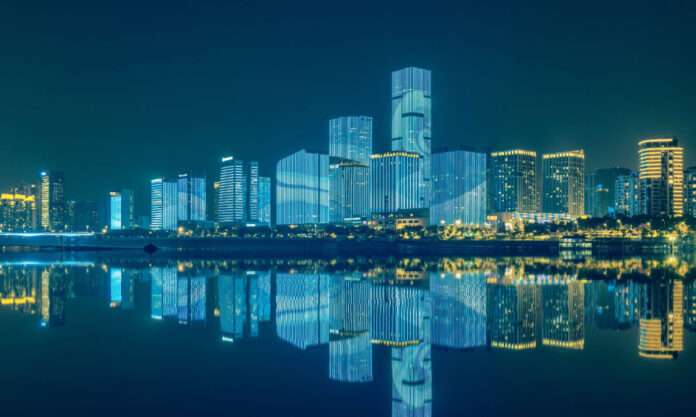


There is a temptation, upon setting one’s sights on Fujian, to look straight past its capital and on to Xiamen, Quanzhou or Wuyishan. Resist it. Fuzhou is not the province’s loudest sell, but it may be its best introduction.
一旦把目光投向福建,人们很容易越过省会福州,直接想到厦门、泉州或武夷山。最好先忍一忍。福州或许不是福建最会吆喝的城市,却很可能是理解这座省份最好的开场。
For those coming from Nanjing, the train journey is itself a useful softening-up exercise. The Yangtze Delta gives way to the Zhejiang coast, then to tunnels, hills, rivers and that unmistakable Fujian habit of squeezing civilisation between mountain and sea. By the time one reaches Fuzhou, the geography has already made its point.
对从南京出发的人来说,路上的高铁本身就是一段很好的铺垫。长三角渐渐退去,浙江海岸线、隧道、山地与河流依次出现,而福建那种把城市塞进山海之间的本事,也开始变得清晰。等真正抵达福州时,地理已经先把话说完了。
From Banyan Shade to Treaty-Port Slopes
从榕荫深处到通商口岸的山坡
The city’s name means “Blessed Prefecture”, which sounds like municipal overconfidence until one steps beneath the banyans. Fuzhou is also “Rongcheng”, the Banyan City, a nickname rooted in Song-dynasty tree planting and one that becomes less poetic and more practical in the southern heat.
“福州”之名,有“有福之州”的意味。乍听像是城市自我感觉良好,直到你走进满城榕荫之下。福州又称“榕城”,这一别名源自宋代植榕的传统;在南方暑气里,它听上去不再只是诗意,而是实打实的体贴。

Begin, inevitably, with Sanfang Qixiang; Three Lanes and Seven Alleys. Yes, it is famous. Yes, parts are polished. But the bones remain good. Here is old Fuzhou in lanes of white walls, dark timber, courtyard houses and names that refuse to stay local.
第一站自然绕不开三坊七巷。它当然有名,也当然有些地方已经修得很精致。但骨架仍然好看。白墙、深色木构、院落与坊巷之间,老福州还站在原地;而那些从这里走出去的名字,也早已不只属于本地。
Lin Zexu is the unavoidable presence. Born in Fuzhou, he is remembered for his campaign against the opium trade, a moral stand that helped push China and Britain toward the First Opium War. His memorial near Sanfang Qixiang gives the old quarter a sharper edge.
林则徐是这里绕不开的人物。他出生于福州,因禁烟而被后世铭记;那场道义上的坚持,也把中国与英国推向了第一次鸦片战争。三坊七巷附近的林则徐纪念馆,让这片老街区不只是好看,也多了一层锋利。
Then cross the river to Yantai Hill. Fuzhou was one of the treaty ports opened after the Treaty of Nanking, and Cangshan became home to consulates, churches, schools and foreign firms. Today, the restored streets can feel fashionable, even gentle, but the slope carries a complicated memory.
接着过江去烟台山。南京条约之后,福州成为通商口岸之一,仓山一带也逐渐聚集了领事馆、教堂、学校和洋行。今天修缮后的街道显得时髦,甚至温和,但山坡上仍然压着一段复杂的记忆。
For the maritime thread, follow the Min River down to Mawei. The Foochow Arsenal was established in the 1860s as part of the Qing Self-Strengthening Movement, with shipbuilding, naval education and foreign technical assistance gathered on the riverbank.
若要追福州的海洋线索,就沿闽江往马尾去。19世纪60年代,福州船政局在这里创办,成为清末洋务运动的重要一环;造船、海军教育与外来技术,一度都在这段江岸边汇合。
Where Mountain Air, Broths and Rail Lines Complete the City
山风、汤味与高铁如何补全这座城
Fuzhou also knows when to retreat. Gushan, or Drum Mountain, rises close enough to the city to be part excursion, part corrective. Yongquan Temple, first founded in the Tang dynasty, sits among trees, stone inscriptions and damp mountain air.
福州也懂得何时退一步。鼓山离城不远,既像一次郊游,也像一次校正。始建于唐代的涌泉寺藏在树木、摩崖石刻和湿润山气之间,让人从街巷、口岸与船政的叙事里慢慢抽身。


And then there is the food. Fuzhou cuisine does not shout. It prefers broth, seafood, sweetness, vinegar, texture and patience. Fish balls, rouyan, lychee pork, Buddha Jumps Over the Wall and jasmine tea all belong in the conversation.
然后就是吃。福州菜并不大声喧哗,它更在意汤、海味、甜、醋、口感和耐心。鱼丸、肉燕、荔枝肉、佛跳墙、茉莉花茶,都应该被放进这座城市的谈话里。
Served by Fuzhou Changle International Airport, around 50 kilometres east of the city centre, and linked by high-speed rail through Fuzhou and Fuzhou South stations, the city sits roughly 3.5 to 4.5 hours from Shanghai, 4.5 to 5.5 hours from Nanjing and around 8 hours from Beijing; but the more telling measure is simpler still, Fuzhou is far enough from the Yangtze Delta to feel like another China, yet close enough for a determined long weekend.
福州主要由市中心以东约50公里的福州长乐国际机场服务,并通过福州站、福州南站接入高铁网络;前往上海大约3.5至4.5小时,从南京出发约4.5至5.5小时,到北京约8小时。可真正更能说明问题的,其实是另一件事;福州离长三角足够远,足以让人感觉进入了另一个中国,又近到足够支撑一次认真安排的长周末。
Two days will not exhaust Fuzhou, but they will explain it. Day one for Sanfang Qixiang, Lin Zexu, West Lake and Yantai Hill. Day two for Gushan or Mawei, depending on whether the mood calls for mountain air or maritime history.
两天当然无法穷尽福州,却足以让人读懂它的开头。第一天留给三坊七巷、林则徐、西湖和烟台山;第二天去鼓山或马尾,取决于你更想要山间空气,还是一段近代海防与船政的历史。
Fuzhou is not a detour on the way to Fujian. It is the beginning of the province’s story; river before sea, banyan before beach, and a capital that rewards those who do not hurry through it.
福州不是通往福建其他地方时顺路一看的城市。它本就是福建故事的开头;先有江,再有海,先有榕荫,再有沙滩。而这座省会,最会回报那些不急着离开的人。