



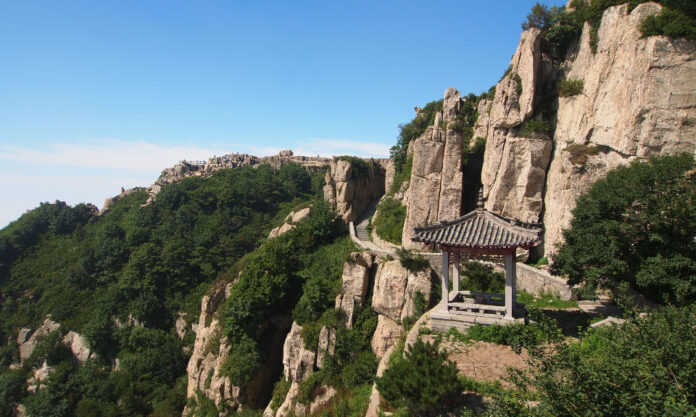



Tai’an lives in the shadow of a mountain that is never really a shadow. Mount Tai dominates the skyline, the history books and the local imagination; the city below has spent centuries learning how to stand beside it rather than compete with it.
泰山从来不只是“阴影”。它主宰着天际线、历史书和当地人的想象;山下这座城,几个世纪以来学会的不是与山争锋,而是与山并肩而立。
This is a city where politics, religion, tourism and routine all meet at the same altitude. People come for pilgrimages, sunrise views, inscriptions, temple visits and plain old curiosity; they stay because Tai’an feels both ancient and usable, a place that still works for daily life.
在同一海拔线上,政治、宗教、旅游与日常生活在这里相遇。人们来这里,有的是为了进香,有的是为了看日出、看石刻、看庙宇,也有人只是出于好奇;而他们愿意留下来,是因为泰安既古老又实用,仍然适合过日子。
City government material and local history pages make the point clearly. The name carries the wish of “guo tai min an” or national peace and public stability; the city’s identity has been built around Mount Tai, Daiyue District and the old city around Dai Temple. In Tai’an, the mountain is not a scenic accessory; it is the city’s central fact.
从官方材料和地方史志看,这一点很清楚。泰安之名本就寄托着“国泰民安”的愿望;它的身份围绕泰山、岱岳区和岱庙一带逐步形成。在这里,山不是风景点缀,而是这座城市最核心的事实。


Mount Tai, Ritual And A City Of Memory
泰山、礼制与记忆之城
Mount Tai’s historical weight is enormous. Chinese tradition remembers it as the eastern peak where emperors performed fengshan ceremonies, offering sacrifice to heaven and earth; the mountain became a symbol of legitimate rule, moral authority and cosmic order. That is why emperors came here, but it is also why poets, monks and scholars never stopped climbing it.
泰山的历史分量极重。中国传统把它视为帝王举行封禅大典的东岳之地;帝王在这里祭天告地,山也因此成了正统、德治和宇宙秩序的象征。帝王来这里,有政治意义;而诗人、僧人和学者不断登临,则让它成为文化共同体的一部分。
The mountain’s cultural record is vast. Its cliffs and temples hold thousands of inscriptions, and the road upwards is lined with stone, verse and memory. The point is not merely that Mount Tai is old; it is that it has been read, climbed, worshipped and written about so often that it has become part of Chinese civilisation’s permanent vocabulary.
这座山留下的文化记录极其庞大。山崖和庙宇中刻着成千上万的文字,向上攀登的路上处处都是石头、诗句和记忆。重点不只是“泰山很老”,而是它被阅读、攀登、膜拜和书写得太久,久到已经成为中国文明的固定词汇之一。
Under that mountain’s authority, Tai’an grew. The old county and prefectural systems changed many times, yet the city remained the administrative base at the mountain’s foot. That relationship is still visible now. Tai’an is not just near Mount Tai; it is organised by Mount Tai.
在泰山的“统摄”下,泰安这座城慢慢长起来。县、府、专区和地级市的建制几经更迭,但城市始终是山下的行政与生活中心。这种关系如今依然清晰。泰安不只是“靠近”泰山;它的城市结构本身就是围绕泰山展开的。
The city government’s own framing also reflects that dual life. Tai’an is a national historical and cultural city, but it is also a service city, a visitor city and a mountain city with a working urban core. Hotels, roads, buses and public squares exist for more than visitors; they support the long, steady traffic of a city that has learned to live with constant attention.
市政府自己的表述也体现了这种双重生活。泰安既是国家历史文化名城,也是一座服务型城市、旅游城市和有实际城市核心的山城。宾馆、道路、公交和广场并不只为游客而设;它们支撑的是一座习惯了长期被注视、也习惯了长期运转的城市。



From Pilgrimage Paths To Modern Streets
从朝山古道到现代街道
Modernity here is less flashy than in the coastal cities, but it is real. The city has turned its heritage into infrastructure, its mountain into a tourism economy and its old ritual geography into a contemporary urban brand. That is no small achievement. It is hard to turn a sacred mountain into a modern city without flattening one or the other.
这里的现代化没有沿海城市那样张扬,但它是真实的。城市把文化遗产转成了基础设施,把山体转成了旅游经济,又把古老的礼制地理转成了今天的城市品牌。这绝不是小事。要把一座神圣的山和一座现代城市结合起来,而不把任何一方压扁,本身就很难。
The local landscape helps. Dai Temple, the old city streets, the mountain roads and the ritual axis around the mountain give Tai’an a spatial logic that outsiders can feel quickly. The city has a clear centre of gravity; many Chinese cities would envy that. It knows what it is leaning on.
当地景观也很加分。岱庙、老城街巷、登山公路和围绕泰山展开的礼制轴线,让外来者很快就能感到泰安的空间逻辑。这座城市有非常明确的重心;中国很多城市都会羡慕这一点。它很清楚自己靠的是什么。
Modern transport keeps that heritage accessible. Tai’an is served by Tai’an railway station and Tai’an East railway station, with high-speed rail making the city a practical stop on the Beijing-Shanghai corridor. Roads and buses then carry visitors up towards Mount Tai and back down again; a neat reminder that in Tai’an, movement still begins with the mountain.
现代交通让这份遗产变得可达。泰安有泰安站和泰安东站,高铁使它成为京沪通道上的实用停靠点。公路和公交则把游客继续送上泰山、再送回城里;这也很巧妙地说明,在泰安,移动本身仍然是从山开始的。
The city works because it does not pretend to be anything other than what it is. It is a mountain city, a ritual city and a city of ordinary errands beneath an extraordinary peak. That mix gives it quiet authority.
这座城市之所以成立,是因为它从不假装自己别有身份。它就是一座山城、一座礼制之城,也是一座在非凡高峰之下处理日常琐事的普通城市。正是这种混合,赋予了它一种安静却有分量的力量。