



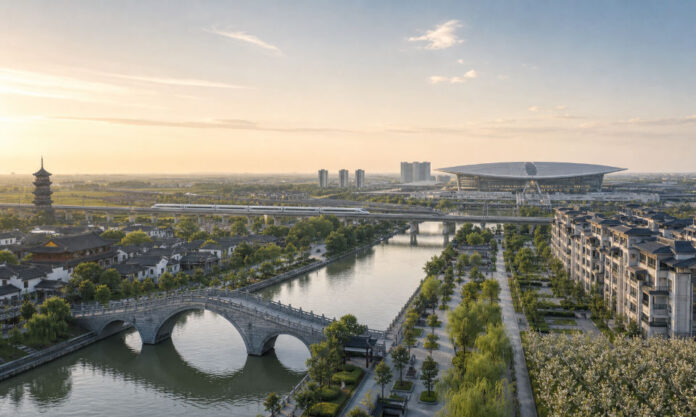


Suzhou sits in northern Anhui with a very practical kind of confidence. It is close to the border with Jiangsu, linked to the wider plain around it and shaped by land, rail and trade rather than by dramatic scenery alone. That has always given the city a working feel.
宿州位于安徽北部,带着一种很务实的自信。它靠近江苏交界,连着周边更广阔的平原,城市气质主要由土地、铁路和商贸塑造,而不是靠惊艳的风景出头。这一直让它显得很有“干活”的气息。
The city is large by any measure. Suzhou covers nearly 9,940 square kilometres and has more than 5 million residents. It is made up of one urban district, Yongqiao, and four counties. That scale matters; it explains why transport, logistics and county-level industry remain so central to its life.
这座城市无论从哪个角度看都不小。宿州面积接近9940平方公里,常住人口超过500万。它由一个市辖区埇桥区和四个县组成。这个体量很重要;也正因为如此,交通、物流和县域工业始终是它生活的核心。
Canal Routes, County Land And Old Civic Depth
运河通道、县域平原与老城底子
According to Chinese-language government and museum material, Suzhou’s history is tied closely to the Grand Canal. The area became an important north-south transport point after the Sui Dynasty opened the canal, and that role was strengthened under later dynasties. This was never a decorative city. It was built to move things.
根据中文政府和博物馆资料,宿州的历史与大运河紧密相连。隋代开凿大运河后,这一带逐渐成为南北交通的重要节点,后来的历代王朝也不断强化它的地位。这座城从来都不是为了“好看”而存在的,而是为了“流动”而建成的。

The local history is still visible in the city’s culture. Suzhou Museum presents this clearly through its collections on canal transport, regional administration and daily life in the old county system. The city’s older names and old roads remind visitors that this was a place of passage long before it became a modern urban centre.
这段历史至今仍能从城市文化中看出来。宿州博物馆通过运河运输、地方行政和旧县制生活等展陈,把这条线索讲得很清楚。城市的旧地名和旧道路也在提醒人们,这里在变成现代城区之前,早已是一个典型的通道之地。
Agriculture still matters here. Suzhou is a major grain-producing city in Anhui, and fruit and livestock also play a strong role in the local economy. That gives the city a very different rhythm from the fast-moving river cities farther south. It is broader, flatter and more tied to the calendar of the fields.
农业在这里仍然非常重要。宿州是安徽重要的粮食生产城市,水果和畜牧业也在地方经济中占着很大比重。这让它的节奏和更南边那些临江城市很不一样。这里更开阔、更平坦,也更受田地季节的影响。
Rail Lines, New Stations And A More Connected Future
铁路线路、新车站与更紧密的未来
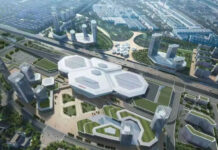
Rail has changed Suzhou in a big way. Suzhou East Railway Station opened in 2011 on the Beijing-Shanghai high-speed line, giving the city a fast link to the national network. Suzhou Railway Station, the city’s older main station, was rebuilt and reopened at the end of 2022. A third major node, Suzhou West Station on the Huai-Beng high-speed railway, is under construction.
铁路已经大大改变了宿州。宿州东站于2011年随京沪高铁开通,让这座城直接接入全国高铁网。宿州站这座老站则在2022年底重建后重新启用。第三个重要节点是正在建设中的淮蚌高铁宿州西站。
That is not just infrastructure for the sake of it. It gives Suzhou a stronger position in the Huaihai Economic Zone and helps pull it more firmly into the Yangtze River Delta conversation. In practical terms, the city is no longer simply being passed through. It is being connected.
这并不只是为了修路而修路。它让宿州在淮海经济区中更有分量,也把它更紧地拉进了长三角的对话里。说得更实际一点,这座城不再只是被路过,而是真正被连接起来了。


Chinese planning material also places Suzhou inside the broader Yangtze River Delta integration framework. That matters for investment, logistics and industrial upgrading. The city has been building around food processing, new materials, equipment manufacturing and modern logistics; sectors that fit a place which knows how to turn location into work.
中文规划资料也把宿州放进了长三角一体化的大框架里。这对投资、物流和产业升级都很重要。宿州这几年围绕食品加工、新材料、装备制造和现代物流来布局;这些产业很适合一座懂得把区位变成生产力的城市。
The transport picture is still widening. Suzhou is also served by the older railway network, and the city’s airport access depends mainly on nearby regional airports rather than a large local one. That is typical of northern Anhui; the city’s strength comes less from glamour than from reach and utility.
交通版图还在继续扩展。宿州同时也受益于传统铁路网络,而航空出行主要依靠周边区域机场,并没有一座超大型本地机场。这很符合皖北城市的特点;它的优势不在于花哨,而在于通达和实用。
Food and local identity give Suzhou a more human face. Fuli Ji roast chicken is a familiar name far beyond the city. Lingbi stone, Dangshan pear and local county traditions all help define a place that does not need to reinvent itself to be recognisable. It already has enough of its own character.
食物和地方认同则让宿州更有人情味。符离集烧鸡早已不只在本地有名。灵璧石、砀山梨以及各县的传统,共同定义了这座不需要“重新发明自己”也很有辨识度的城市。它本来就已经有足够鲜明的个性。
Suzhou’s value lies in exactly that balance. It has old transport history, a strong farming base, real industrial growth and a rail future that keeps improving. It is not a city built on one headline. It is a city built on many working parts, all still moving.
宿州的价值恰恰就在这种平衡里。它有老运河历史、扎实的农业基础、真实的工业增长,还有不断改善的铁路前景。它不是靠一条新闻活着的城市,而是靠很多仍在运转的部分一起支撑起来的城市。