



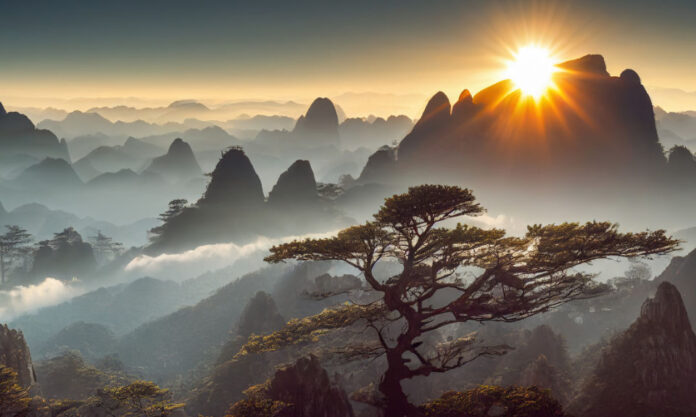



Steep peaks still dominate the horizon here, and that is the point. Huangshan is one of those rare cities where the mountain is not just a backdrop but the main character; the rest of the place has spent centuries learning how to live with that fact.
陡峭的山峰依然统治着这里的天际线,而这正是关键所在。黄山是一座少见的城市,山并不只是背景,而是主角;这座城市的其他部分,已经花了几个世纪,学着如何与这个事实相处。
The city itself feels more grounded than its postcard fame suggests. There are streets, markets, tea hills, old villages and a strong sense that local life continues well beyond the scenic gate. Yet the mountain remains the reason most people come, and very often the reason they remember.
这座城市本身,比它的明信片名声更接地气。这里有街巷、市场、茶园、古村落,也有一种很明确的感觉,那就是当地生活远远不止景区大门以内。但大多数人来这里,还是因为那座山;而他们真正记住的,也往往还是那座山。
According to official Huangshan city material and the UNESCO World Heritage listing for Mount Huangshan, the mountain area is one of China’s most important scenic treasures. Its odd pines, rock formations, sea of clouds and hot springs have made it a national icon and a global one too.
根据黄山市官方资料以及联合国教科文组织对黄山的世界遗产认定,黄山山地景区是中国最重要的自然与文化景观之一。奇松、怪石、云海和温泉,已经让它成为全国性的名片,也成为面向世界的名片。


The Mountain Still Owns The Story
这座山依然掌握着叙事权
The mountain deserves special mention because it does something few places can manage. It makes scale feel human. The cliffs, paths and shifting weather never let visitors stay casual for long; you walk a little slower, look a little longer and quietly accept that the place is bigger than you.
黄山山地景区必须单独说一说,因为它做到了许多地方做不到的事:它让宏大变得很有人味。悬崖、步道和不断变化的天气,不会让游客一直保持轻松;你会不自觉地放慢脚步、多看几眼,然后安静地承认,这地方比自己大得多。
That scale has also given Huangshan an unusually broad international identity. People arrive for scenery, but they leave with a sense of a place that has become part of the world’s visual shorthand for China. It is tourism, yes; but it is also soft power with pine trees.
这种尺度感,也给了黄山一种格外宽广的国际身份。人们为风景而来,却常常带走一种印象:这已经成了世界理解中国时最常见的画面之一。当然,这首先是旅游;但它也是长在松树之间的文化影响力。
Recent years have brought a quieter kind of change. The city has spent more effort on conservation, visitor management and the better presentation of its heritage villages and tea landscape. The trick is simple but hard; keep the mountain beautiful without turning the whole place into a theme park.
近些年,变化更多体现在安静处。黄山在遗产保护、游客管理,以及古村落和茶园景观的展示方式上,都下了更多功夫。道理其实简单,却很难做到:既要让山保持美感,又不能把整座地方做成一座主题公园。


Old Huizhou Culture Still Gives The City Its Shape
徽州旧韵仍在塑造这座城
Huangshan is not only about one mountain. It is also part of the old Huizhou world, with its villages, merchant memory, wooden houses and a culture that prizes restraint over noise. That older layer gives the city a second life; one that sits below the tourist level and keeps the place from feeling thin.
黄山并不只是“一座山”的故事。它同样属于古徽州的世界,有古村落、商贾记忆、木构民居,以及一种重含蓄、轻喧哗的文化气质。正是这一层旧底色,给了黄山第二层生命;它沉在旅游表层之下,让这座城市不至于显得单薄。
Tea is part of that same story. The hills around Huangshan have long supported tea growing, and the product is now woven into the city’s economy and image. It is easy to praise the mountain and forget the leaves; in Huangshan, the two are often doing business together.
茶也是同一故事的一部分。黄山周边山地长期支撑着茶叶种植,如今茶产业早已被织进这座城市的经济与形象之中。人们很容易只夸山、忘了叶子;但在黄山,山和茶往往是一起做生意的。
The result is a city that feels both fragile and durable. Tourism matters, but so does care. History matters, but so does the way a place chooses to be seen. Huangshan has learned that being famous is not enough; it has to keep its dignity while the crowds keep coming.
于是,这座城市给人的感觉既脆弱,又结实。旅游当然重要,但保护同样重要;历史重要,但一座城市选择如何被看见,也同样重要。黄山已经明白,仅仅出名是不够的;它还得在游客不断到来的时候,保住自己的体面。
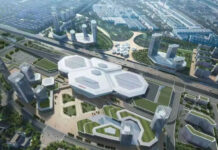
That is more than convenient; Huangshan North now links to Nanjing in about two hours by high-speed rail, while services to Hefei take roughly the same time; from Hefei South, the airport express reaches Xinqiao International Airport in around 40 minutes. For a city whose fame comes from a mountain, the railway map now gives it a second summit.
这不只是方便而已:黄山北站如今乘高铁到南京大约两小时,到合肥也差不多是这个时间;从合肥南站再换乘空铁快线,到新桥国际机场大约40分钟。对于一座以名山闻名的城市来说,这张铁路网络,正给它添上第二座“高峰”。