





Southern Anhui is characterised by the lower Yangtze, where Anqing carries an easy river calm that hides how much history sits under its streets. It is a port city, a theatre town and an old industrial base; yet it still feels curious, not fixed.
长江下游的安庆,带着一种看似从容的江城气息,却把厚重历史藏在街巷之下。它是港口城市、戏曲之城,也是老工业基地;可它并不显得停滞,反而始终带着好奇和变化。
According to the city government profile, Anqing sits on the north bank of the Yangtze in south-western Anhui Province. It is also one of the places that gave the province its shorthand name, Wan, because the ancient Wan state once stood here.
根据安庆市政府的城市简介,安庆位于安徽省西南部、长江北岸。它也是安徽简称“皖”的重要来源地之一,因为古代的“皖国”曾在这里出现。
That geography has never been decorative. Anqing grew as a river port and regional crossroads; the city government still presents it as a place where politics, economy, culture, transport and shipping meet. That is a lot of hats for one city, and it rarely wears them lightly.
这样的地理位置从来都不是摆设。安庆因江运而兴,也因区域交通而成形;市政府至今仍把它描述为一个政治、经济、文化、交通和航运交汇的地方。对一座城市来说,这样的角色很多,而安庆一直都没把它们戴得轻。

Opera, Old Streets and a City That Still Sings
戏曲、老街与一座仍在歌唱的城市
Anqing’s best-known cultural calling card is Huangmei opera, and the city wears it proudly. This is not a museum piece gathering dust. It is a living art, heard in theatres, school performances and family conversation; the melody still belongs to daily life.
安庆最响亮的文化名片,莫过于黄梅戏,而这座城市对此始终十分自豪。它并不是一件落灰的博物馆展品,而是一种仍然活着的艺术,常见于剧场、校园演出和家庭谈资之中;它的旋律仍属于日常生活。
Walk the older streets and the city feels more layered than grand. There are river views, temple traces, local theatres and a sense that Anqing has spent centuries balancing arrival and departure. Visitors come for the scenery, but often leave remembering the mood.
走进老街,安庆给人的感觉不是宏大,而是层次分明。这里有江景、寺庙遗痕、地方剧场,也有一种历经千年、始终在抵达与离开之间寻找平衡的气质。游客往往先为风景而来,最后记住的却是这座城的气息。
That mood is changing too. Anqing is no longer only a city of river traffic and memory. It is still tied to manufacturing, logistics and port activity, but recent years have pushed it harder towards greener industry, tourism and better cross-river links. The old port story is still there; the new one is growing around it.
这种气质也在变化。安庆早已不只是江运和记忆之城。它仍然与制造业、物流和港口活动紧密相连,但近些年也在更努力地走向绿色产业、文旅发展和更强的跨江联通。老港口的故事仍在,新的故事则正在它周围长出来。


Bridges, Rail Lines and a Wider Horizon
桥梁、铁路与更宽的视野
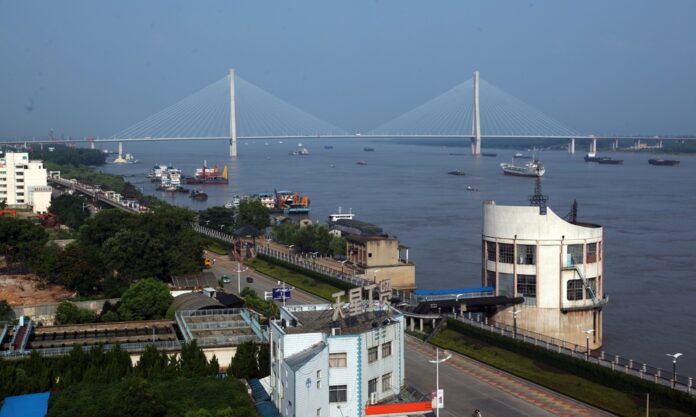
The most visible symbol of that shift is the Anqing Yangtze River Bridge, pictured in the Commons image used here. In a city like this, bridges are never only about traffic. They are a way of saying the other bank matters just as much as this one.
这种转变最直观的标志,就是本文所用 Commons 图片中的安庆长江大桥。对安庆这样的城市来说,桥从来不只是交通设施。它更像是在说,江的对岸和这一岸同样重要。
Recent transport reporting has also underlined how Anqing is knitting itself into a wider map. Faster rail, a working airport and stronger highway links make the city feel less like a border post and more like a hinge between Anhui and the wider Yangtze corridor.
近期交通报道也反复说明,安庆正在被更紧密地编进一张更大的路网里。更快的铁路、正常运行的机场和更强的公路连接,让这座城市不再像一座边界哨所,而更像安徽与更广阔长江通道之间的一枚铰链。
Anqing is served by Anqing Tianzhushan Airport, while high-speed rail puts Shanghai about four hours away and Beijing at around six and a half hours, depending on the service. The river calm that opens the story is still there, but now it sits beside faster links and a city that looks outward without losing its voice.
安庆拥有安庆天柱山机场;而高铁则让上海大约四小时可达,北京则约需六个半小时,具体会因车次而略有不同。开篇提到的那份江城从容仍然在,只是如今它身边多了更快的连接,也多了一座在向外看时没有丢掉自己声音的城市。