



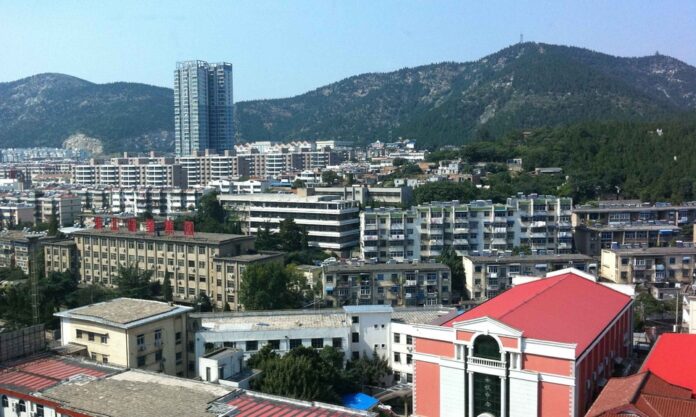



Huaibei arrives in the imagination as a coal city, blackened and blunt, but the real place in northern Anhui is stranger and brighter; it sits where Jiangsu, Henan and Anhui meet, carries more than 4,000 years of history and keeps finding new ways to surprise itself.
淮北常被人先想到煤;可真正的淮北,远比这个印象更复杂。它位于皖北,处在江苏、河南和安徽交界处,已有4000多年历史,如今还在不停给自己制造惊喜。
According to the Huaibei municipal government’s history page, the story begins in the Xia and Shang periods, when the area was linked to the old Xuzhou region and later became known as Xiangcheng. One local strand says Shang ancestor Xiangtu settled here; in a city like this, even the first page has a long shadow.
据淮北市政府的历史沿革页记载,这段故事要追溯到夏商时期;当时这一带隶属古徐州,后来又被称作相城。地方材料还说,商代祖先相土曾在此停驻;像这样的城市,连第一页都拖着很长的影子。
The city card on the government website describes Huaibei as a nationally known coal resource city, a coal-power base and a modern industrial city. It covers 2,741 square kilometres, has a registered population of 2.18 million and now counts five provincial development zones plus one nationally key chemical park. That is not a sleepy label; that is a working engine.
市政府的“城市名片”把淮北写成全国知名的煤炭资源型城市、煤电基地和现代工业城市。全市面积2741平方千米,户籍人口218万人,如今还有5个省级开发区和1个国家重点化工园区。这不是一张安静的标签,而是一台正在运转的机器。
The numbers back that up. According to the municipal statistics bureau, Huaibei’s GDP reached ¥140.59 billion in 2024, up 4 percent year on year. In the first quarter of 2026 it stood at ¥34.8 billion, up 3.8 percent, with manufacturing up 7.8 percent and infrastructure investment up 17.6 percent. Old coal may still be part of the story; it is no longer the whole sentence.
数据也在替这座城说话。根据市统计局,淮北2024年地区生产总值达到¥1405.9亿元,同比增长4 percent。2026年一季度,地区生产总值为¥348亿元,同比增长3.8 percent,其中制造业增长7.8 percent,基础设施投资增长17.6 percent。老煤炭当然还在;可它已经不是整句话了。


Before Coal Became Destiny, The City Was Already Old
在煤炭成为命运之前,这座城已经很老
That matters because Huaibei is trying to sound like a city with several voices. It still has the coal dust in its bones, but it is also pushing equipment manufacturing, new materials, energy-saving industries and smarter industrial parks. In other words, the mine shaft has company now.
这很重要,因为淮北正在学着用不止一种声音说话。它骨子里当然还有煤尘,但它也在推装备制造、新材料、节能产业和更聪明的产业园区。换句话说,矿井口现在不再独唱了。
Culture here is less about grand opera and more about a way of carrying the past lightly. Xiangcheng remains the old name that locals do not quite forget; the city’s memory is built from ancient settlement, miners’ labour and the everyday habit of making do without making a fuss. That, too, is a kind of culture.
这里的文化不太像大戏台,更像一种把往事轻轻背着走的方式。相城这个旧名,至今仍让本地人很难真正忘掉;城市记忆由古老聚落、矿工劳动,以及那种不声张却总能过日子的习惯搭成。这本身也是一种文化。
Huaibei also looks outward more than its old reputation suggests. Sitting close to the Yangtze River Delta, it has no choice but to think in wider circles; goods, jobs and ideas now move along roads, rail lines and industrial corridors that reach well beyond the city limits. The old coal town has learnt to open its windows.
淮北也比旧名声看上去更愿意向外看。它贴着长三角,几乎没有理由不把目光放得更远;货物、岗位和想法如今顺着公路、铁路和产业走廊不断流动,早已越出城市边界。这座老煤城,已经学会把窗户推开。


A Coal City Learning New Tricks Without Losing Its Bite
煤城正在学新本事,却没有丢掉脾气
The latest figures make the mood clearer. Production is rising, retail is ticking upward and the city keeps polishing its industrial toolkit. This is not a glamorous turnaround story with a ribbon-cutting and confetti; it is slower and sturdier than that, a place trying to stay relevant without pretending to be something else.
最新数字把这种气氛说得更清楚。产出在增长,零售在抬头,城市也在继续擦亮自己的工业工具箱。这不是那种剪彩加彩带的华丽转身故事;它更慢,也更稳,是一座努力保持分量、却不装成别的样子的城。
Huaibei is served by Huaibei Railway Station and Huaibei North Station; the nearest major airport is Xuzhou Guanyin International Airport across the provincial border, and high-speed rail puts Shanghai at roughly three and a half hours away and Beijing at about four and a half. That sounds practical because it is; for a city that used to be read in one colour, the map now has more than one shade.
淮北由淮北站和淮北北站服务;最近的主要机场是省界另一侧的徐州观音国际机场,而高铁大约让上海在3个半小时左右,北京在约4个半小时左右。这听上去很实用,因为它本来就是实用的;对于一座过去常被读成单一颜色的城市来说,如今地图已经有了不止一种色调。