



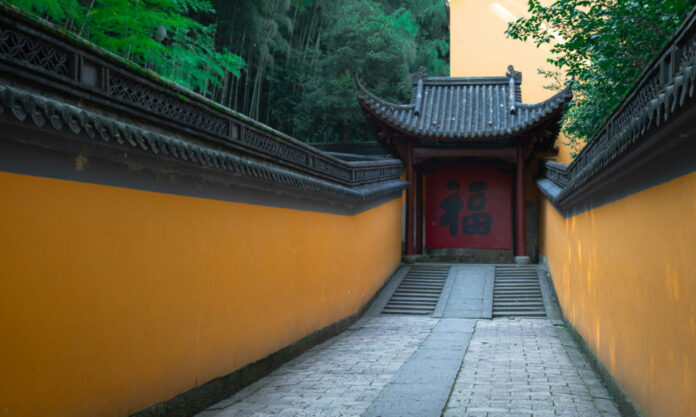



Few Zhejiang cities carry such an easy first impression and such a complicated life beneath it. Shaoxing looks like a place of canals, wine jars and old scholars; in practice it is also a hard-working commercial city that still knows how to make money.
绍兴是浙江少数几座既容易留下第一印象、又不那么容易被一句话说尽的城市之一。它看上去像一座有运河、黄酒和旧书卷气的地方;但实际上,它也是一座务实而能赚钱的商业城市。
According to Chinese reference material on the city, Shaoxing’s strength has long come from water and work. The old city grew around canals and market streets, while the wider plain supported textile towns, food processing and a trading culture that still feels distinctly Zhejiang.
根据有关绍兴的中文资料,这座城市的底色一直来自水与生意。老城沿着水网和街市生长,周边平原则支撑了纺织城镇、食品加工和一种很有浙江特色的商贸文化。
South Lake, Lu Xun And A City That Still Remembers
南湖、鲁迅与一座仍会记事的城市
Shaoxing’s strongest cultural card is still Lu Xun Native Place. It is not just a set of preserved houses; it is a street-level lesson in how memory is packaged and kept alive. The district includes Lu Xun’s former residence, his ancestral home, the memorial hall and Three Flavours Study, the small classroom where he studied as a boy.
绍兴最重要的文化名片仍然是鲁迅故里。它不只是一组保存完好的老房子,更是一堂“记忆如何被保存并继续活着”的街头课程。这里包括鲁迅故居、祖居、纪念馆,还有三味书屋,那间他少年时代读书的小书房。


Three Flavours Study deserves a plain explanation. The name comes from an old idea that books have three tastes to savour: history, character and the way they shape a person’s mind. In practice, it is the room many Chinese schoolchildren know from textbooks; in person, it is even more modest than expected, which is part of its power.
三味书屋这个名字值得顺手解释一下。它来自一种老说法,意思是读书要细品“史味、文味、意趣”,也就是历史、文字和对人的塑造。对很多中国学生来说,它是课本里的地方;而真正站在里面时,会发现它比想象中更朴素,这反而更有力量。
That older city texture is still one of Shaoxing’s best assets. Canals, bridges, grey walls and narrow lanes still give the centre a recognisable Jiangnan rhythm; not polished to death, not frozen in amber, but lived in. Add yellow wine to the picture and the city’s identity becomes even clearer. Shaoxing huangjiu is not an accessory here; it is one of the city’s industries, exports and calling cards.
绍兴最好的资产之一,仍然是那种老城的纹理。运河、石桥、灰墙和窄巷,让市中心仍保有一种典型的江南节奏;既没有被过度打磨,也没有被彻底封存,而是仍然有人在里面生活。再加上黄酒,绍兴的身份就更清楚了。绍兴黄酒不是点缀,而是产业、出口品和城市名片之一。
Textiles, Tracks And A City That Still Trades Hard
纺织、轨道与一座仍在拼经济的城市
If Lu Xun gives Shaoxing memory, Keqiao gives it muscle. The textile economy there remains one of China’s most important, and it still shapes how the city thinks about trade. This is a place that understands scale, supply chains and the value of being able to move goods quickly and reliably.
如果说鲁迅给绍兴的是记忆,那么柯桥给它的就是肌肉。那里的纺织经济至今仍是中国最重要的产业板块之一,也持续塑造着这座城市对贸易的理解。绍兴很懂规模、供应链,以及如何快速而稳定地把货物运出去。


The rail network has made that easier. Shaoxing North and Shaoxing Railway Station link the city into the wider Yangtze River Delta, while the metro system helps turn daily movement into something more efficient and less city-bound. The point is not just speed; it is connection, and the confidence that comes with it.
铁路网络让这一切更容易实现。绍兴北站和绍兴站把城市接入更大的长三角网络,而地铁系统则让日常出行更高效,也不再局限于单一城区。重点不只是速度,更是连接,以及由此带来的底气。
The city also feels more balanced than many people expect. It can talk about Lu Xun in the morning, yellow wine at lunch and textile exports in the afternoon without sounding forced. That is rare. Some places split heritage and business into separate boxes; Shaoxing lets them share the same table.
绍兴比很多人想象得更平衡。它可以早上谈鲁迅,中午谈黄酒,下午谈纺织出口,而且并不显得生硬。这种状态并不常见。有些城市把历史和生意分成两只箱子装,绍兴却让它们坐在同一张桌子旁边。
Shaoxing is served by Shaoxing North and Shaoxing Railway Station, with the city’s metro network improving movement across the urban area. That suits a city whose older story was written in water, but whose newer one is increasingly written in freight, fibre and track.
绍兴由绍兴北站、绍兴站以及城市轨道交通网络共同服务,城市内部的通行效率也因此更高。这很适合这样一座城市:它更早的故事写在水里,而它更新的故事,越来越写在货运、纤维和轨道上。