






According to the good book, Matthew, Chapter 7, Verse 3, states, “Before examining the splinter in my eye, first remove the rafter from your own”.
根据好书《马太福音》第7章第3节指出:“在检查我眼中的碎片之前,先把椽子从你自己的椽子上移开”。
So it goes with privacy. Could it be that many who are quite vocal about their concerns for their privacy following the installation of surveillance cameras on a universal level might also be those who do not think twice about screenshotting a private conversation in WeChat and forwarding it to all and sundry?
所以它与隐私相得相上。 在普遍安装监控摄像头后,许多对隐私的担忧非常直言不讳的人也可能是那些不假思索地在微信上截屏私人对话并将其转发给所有人的人吗?
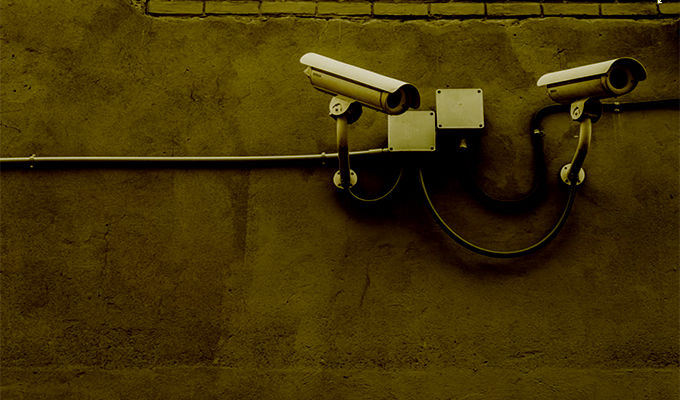
No matter our feelings, being under almost constant surveillance is something we need to get used to, if indeed we are not already there.
无论我们的感受如何,几乎持续的监视下都是我们需要习惯的事情,如果我们真的还没有在那里的话。
It is estimated that there are now approximately 400 million surveillance cameras installed in China, although that is a number very hard to pin down and one that is likely seriously underestimated and escalating rapidly.
据估计,中国目前安装了大约4亿台监控摄像头,尽管这个数字很难确定,而且可能被严重低估并迅速升级。
The cameras monitor everything from traffic, pedestrians and public buildings to environments hostile to humans and even schools.
摄像头监控一切,从交通、行人和公共建筑到对人类甚至学校有敌意的环境。
Pro-consumer comparison website, Comparitech, had a look at the number of public CCTV (Closed-Circuit Television) cameras in 120 cities worldwide and it is perhaps not surprising that fully eight out of the top ten most-surveilled cities are in China. Based on the number of cameras per thousand people, it was the western municipality of Chongqing that came in top of the list, with over 2.5 million cameras, or 168 cameras per thousand people in the urban area (over 15 million people; the total population of the municipality is nearer 35 million).
专业消费者比较网站Comparitech查看了全球120个城市的公共CCTV(闭路电视)摄像机数量,在监控最多的前十城市中,有8个在中国,这也许不足為奇。 根据每千人的摄像头数量,重庆市西部市位居榜首,城市地区有250多万台摄像头,即每千人168台摄像头(超过1500万人;该市总人口接近3500万)。
Nanjing is nowhere to be seen on the list of 120 cities, although this may be down to problems with data collection; the other seven in China are Shenzhen (#2), Shanghai (#3), Tianjin (#4), Ji’nan (#5), Wuhan (#7) and Guangzhou (#8) and Beijing (#9). The two cities in the the top ten that are not Chinese are London, UK (#6) and Atlanta, USA (#10).
南京在120个城市的列表中一无所获,尽管这可能是数据收集问题;中国的其他七个城市是深圳(第2名)、上海(第3名)、天津(第4名)、济南(第5名)、武汉(第7名)和广州(第8名)和北京(第9名)。 排名前十的两个非中国人城市是英国伦敦(第6名)和美国亚特兰大(第10名)。
But Do We Care?
但我们在乎吗?
Privacy is not a big deal in China, as a visit to any local hospital shows all too well, while Chinese people have been quite used to be being monitored by the state for decades; long before the existence of CCTV there were plenty of other methods.
Going back 30 years, it was common for Public Security Bureau officers to trail persons of interest, including foreigners. Apart from anything else, much like Jeremy Bentham’s panopticon prison, proposed in 1791, in which all the prisoners on each floor could view each other at any time, so too, by sheer weight of numbers, it is pretty hard in today’s China to do something without anyone else noticing.
在中国,隐私并不是一件大事,因为访问任何一家当地医院都很明显,而中国人几十年来一直习惯于受到国家的监控;早在中央电视台出现之前,还有很多其他方法。 追溯到30年前,公安局官员跟踪感兴趣的人,包括外国人,是很常见的。 除了其他任何东西,就像杰里米·本瑟姆在1791年提出的泛光监狱一样,每个楼层的所有囚犯都可以随时互相观看,因此,从纯粹的数字重量来看,在今天的中国,很难在别人注意到的情况下做一些事情。
We may care, but for different reasons than the conspiracy theorists would have us believe. For there are still plenty examples of the increase in surveillance failing to deliver. In aiming to fulfil the Ministry’s of Education’s “smart campuses” program, Betty Li’s university in Xi’an deployed facial recognition technology to identify her and her classmates doing all manner of things, providing them with access to their dormitory, for example. However, as the website TechinAsia points out, Li says, “The ‘smart’ facial recognition system cannot recognise her if she wears different glasses, and there are long queues to get through the door to her dormitory”.
我们可能关心,但与阴谋论者让我们相信的原因不同。 因为仍然有很多监控增加失败的例子。 为了完成教育部的“智能校园”计划,贝蒂·李在西安的大学部署了面部识别技术,以识别她和她的同学正在做各种事情,例如,为他们提供进入宿舍的通道。 然而,正如TechinAsia网站所指出的,李说:“如果她戴不同的眼镜,’智能’面部识别系统无法识别她,而且要排长队才能进入她的宿舍。”
Yes, sometimes we just want it to work. There are also the many that believe that not only are such systems unreliable at best, much of the data gathered can be untrustworthy and the uses to which it can be put rather limited.
是的,有时我们只是想让它起作用。 也有许多人认为,此类系统不仅充其量不可靠,而且收集到的大部分数据可能不可靠,而且其用途相当有限。
Then there is the whole raison d’etre for the cameras in the first place. The aforementioned Comparitech survey also found virtually no link between increased surveillance and both crime reduction and perceptions of safety.
然后,首先,相机有整个存在理由。 上述Comparitech调查还发现,增加监控与减少犯罪和安全感知之间几乎没有联系。
- You are Under Surveillance; Nanjing’s Upgraded CCTV Cameras
- Saving Face; the Art of Surveillance
- Is Jaywalking “Shame TV” Working for Nanjing?
Yet, it remains true that human performance is altered not by the fact that they are being monitored, but by the fact that they think they are. Exhibit A in this case in China is the satellite navigation system that points out the speed limit and that there are cameras in operation nearby. Everyone obeys. In places without the cameras, or pointedly, without the navigation system’s warnings, speeding and illegal turns are the norm. That the cameras may also not be working is irrelevant.
然而,事实仍然是,人类表现的改变不是因为他们被监控的事实,而是他们认为自己被监控的事实。 在这种情况下,在中国,证据A是指出限速的卫星导航系统,附近有摄像机在运行。 每个人都服从。 在没有摄像头的地方,或者在没有导航系统警告的地方,超速和非法转弯是常态。 相机可能也不工作是无关紧要的。
Exhibit B is also from the automobile world. Many drivers today use apps or other devices to monitor their driving and send reports to their insurance company, that in turn rewards them with cheaper premiums for safer, law-abiding driving. Business media, Fast Company, reports, “The trend of some drivers adding bumper stickers to their cars, informing fellow road users that they’re not driving slowly on purpose, but rather that they’re only doing it for cheaper insurance”.
展品B也来自汽车世界。 如今,许多司机使用应用程序或其他设备来监控他们的驾驶情况,并向保险公司发送报告,这反过来又奖励他们更便宜的保费,让他们更安全、更守法驾驶。 商业媒体Fast Company报道说:“一些司机在汽车上添加保险杠贴纸的趋势是,告诉其他道路使用者,他们不是故意缓慢行驶的,而是他们这样做只是为了更便宜的保险。”
Suddenly, those drivers are not bothered by the intrusion into their privacy. After all, both privacy and freedom are now paid-for services; the freedom to drive fast and collect speeding tickets, together with the privacy afforded by a monthly VPN subscription.
突然间,那些司机不再被侵犯隐私所困扰。 畢竟,隱私和自由現在都是付費服務的;快速駕駛和收集超速罰單的自由,以及每月VPN訂閱提供的隱私。
The proliferation of China’s surveillance cameras may yet cause their own backfire. Some reports will have us believe that in the next year or 2, the number of cameras will reach one for every two people, or 6-700 million.
中国监控摄像头的扩散可能会适得其反。 一些报道让我们相信,在未来一两年内,每两个人一台摄像头的数量将达到一台,即6-7亿台。
That will be monitor and the monitored, then. Certainly, China has huge resources at hand to put into public security, but half the population?
那么,那将是监控和监控。 当然,中国手頭有巨大的资源投入到公共安全中,但人口只有一半?
Perhaps the AI will get it right. Nanjing’s latest generation of traffic cameras are ultra high definition, meaning they can identify drivers as a vehicle speeds underneath, a development which also put to an end a cottage T-shirt industry that sold the garments with a painted-on seat belt.
也许人工智能会把它弄好。 南京最新一代的交通摄像头是超高清的,这意味着它们可以识别司机的车辆速度,这一发展也结束了出售带有涂漆安全带的服装的小屋T恤行业。
It also remains difficult to see how that many cameras could be deployed without them making their way into public toilets and our homes. And it is certainly incredulous that think that we may all end up as Winston in George Orwell’s “1984”, hiding around the corner in his apartment’s alcove, away from the all seeing state’s “telescreen”, so that he could write his diary.
仍然很难看出,在没有进入公共厕所和我们家的情况下,如何部署这么多摄像头。 想到我们最终都可能成为乔治·奥威尔的《1984》中的温斯顿,躲在他公寓的角落里,远离全能国家的“电视屏幕”,这样他就可以写日记,这当然是难以置信的。
The reality is that we lost most of our privacy a long time ago, around the time when the telephone was invented. Back then we thought only us and the person we were talking to knew about the call.
现实情况是,我们很久以前就失去了大部分的隐私,大约在电话发明的时候。 那时,我们认为只有我们和与我们交谈的人知道这个电话。
No, the telephone company knew too.
不,电话公司也知道。