





China’s first domestically built mainline electric locomotive rolled off a production line in Zhuzhou in 1958, a single unit numbered 6Y1-0001 that gave the city a nickname it has kept ever since, the cradle of China’s electric locomotives.
一九五八年,中国第一台国产干线电力机车,在株洲的生产线上正式下线,编号为6Y1-0001;这座城市也因此获得了一个沿用至今的称号——”中国电力机车的摇篮”。
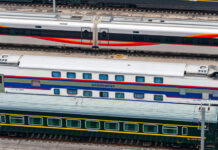
CRRC Zhuzhou Locomotive now anchors a cluster of more than 400 neighbouring parts suppliers, sourcing nearly 10,000 components for a single export train; according to China’s State-owned Assets Supervision and Administration Commission, the company can deliver a completed locomotive to Europe within 18 months of the order, roughly half the time taken by its international competitors.
如今,中车株洲电力机车公司周边聚集着四百多家配套零部件企业,一列出口欧洲的列车,所需零部件近万个;据国务院国有资产监督管理委员会介绍,该公司自接单起,十八个月内即可完成整车交付,大约仅为国际同行所需时间的一半。
By March 2022, the same company had completed operational testing on China’s first domestically developed commercial maglev 3.0 train, extending a lineage of firsts that stretches back to that single locomotive rolled out more than sixty years earlier.
到二零二二年三月,同一家公司已完成中国首列自主研发的商用磁浮3.0列车的运行测试,延续了六十多年前那台机车下线以来的一连串”第一”。
The Ancestor of Chinese Farming Is Said to Be Buried Here
相传中华农耕始祖长眠于此
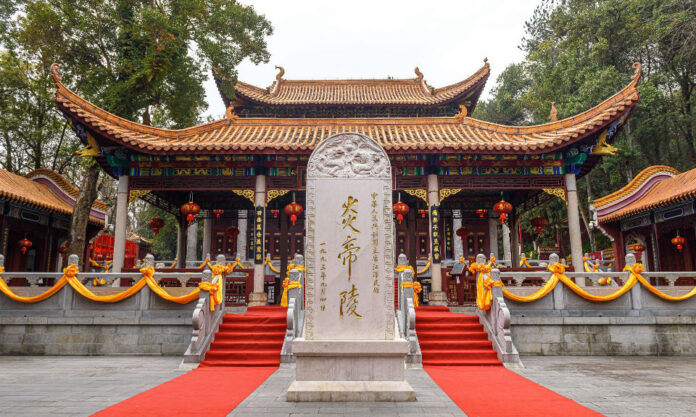
Some 130 kilometres south of the locomotive works, in Yanling county, stands the mausoleum of Emperor Yan, also known as Shennong, the legendary tribal leader credited in Chinese mythology with inventing agriculture and herbal medicine and revered as one of the two founding ancestors of the Chinese nation.
在机车厂以南约一百三十公里的炎陵县,矗立着炎帝陵——炎帝,又称神农,是中国神话传说中发明农耕与医药的部落首领,被尊为中华民族两位人文始祖之一。

The site draws pilgrims from mainland China and the overseas Chinese diaspora alike, and has been developed into a national 5A scenic area alongside the nearby Shennong Valley National Forest Park, a considerably quieter corner of Zhuzhou than the one occupied by its locomotive plants.
这处陵园吸引着来自中国大陆及海外华人华侨的朝拜者,如今已与附近的神农谷国家森林公园一同,发展为国家5A级旅游景区,是株洲境内一处远比机车厂周边安静得多的角落。
An Industrial Zone that Created 230 National Firsts & some of China’s Dirtiest Air
一片创造了两百三十项全国第一,也曾是中国空气最脏之地的工业区
The Qingshuitang industrial zone, a 15.15-square-kilometre stretch of smelters and chemical plants on the Xiang River, once produced more than 230 firsts in Chinese industrial history, according to Hunan’s provincial government; by 2003 and 2004, the pollution it generated had helped land Zhuzhou among the ten most air-polluted cities in China.
清水塘工业区,坐落在湘江之畔,占地十五点一五平方公里,以冶炼与化工企业为主;据湖南省政府介绍,这里曾创造中国工业史上两百三十多项”第一”。而到了二零零三、零四年,这里排放的污染,也让株洲一度跻身全国空气污染最严重的十座城市之列。
Beginning in 2013, the city shut the entire zone down company by company, closing the last of 261 plants, the Wukuang Zhuzhou smelter, on 30 December 2018; roughly 14,000 workers were relocated in the process, with around 6,000 taking severance payments or moving into flexible employment, and water quality in the Xiang River’s Qingshuitang stretch has since been restored to Grade II.
自二零一三年起,株洲逐一关停了整片工业区内的企业,截至二零一八年十二月三十日,清水塘全部二百六十一家企业中的最后一家——五矿株冶炼厂,正式熄炉关停;这一过程中,约一万四千名职工得到安置,其中约六千人选择买断工龄或转为灵活就业,而湘江清水塘段的水质,如今已恢复至Ⅱ类标准。
An Economy Still Anchored in Heavy Industry
一个仍以重工业为经济支柱的城市
According to the city’s own 2024 economic communiqué, Zhuzhou’s GDP reached ¥390.2 billion that year, up 5.5 percent, with per capita output at ¥101,497; the permanent population stood at 3.8378 million, down 14,200 on the year before.
据该市自身发布的二零二四年经济统计公报显示,当年株洲市GDP达三千九百零二点四亿元,同比增长百分之五点五,人均产值为十万一千四百九十七元;常住人口为三百八十三点七八万人,较上年减少一点四二万人。
Getting to Zhuzhou means a short high-speed rail journey of around 20 minutes from Changsha, as part of the same integrated network the city itself builds trains for, or a drive of roughly 40 minutes from Changsha Huanghua International Airport.
前往株洲,可乘坐高铁,从长沙出发车程约二十分钟,这条铁路网络所使用的列车,正是这座城市自己制造的;也可自长沙黄花国际机场驱车前往,车程约四十分钟。
The locomotive that rolled off Zhuzhou’s production line in 1958 is long retired, but the plant that built it now ships trains to nearly 20 countries, on a river that took the better part of a decade to clean up after the industry around it made that first locomotive possible.
一九五八年从株洲生产线下线的那台机车早已退役,但当年制造它的工厂,如今已将列车出口至近二十个国家;而当年孕育出那台机车的工业区周边这条江水,却花费了近十年时间,才得以清洗干净。