



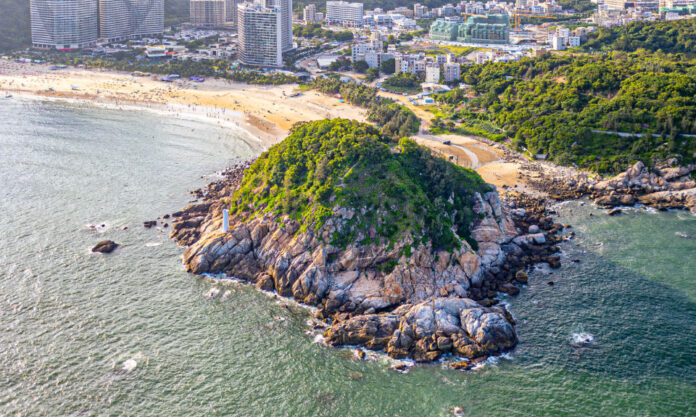



A Sino-British salvage team searching for a completely different, Dutch East India Company wreck stumbled instead in 1987 upon a Song dynasty merchant ship that had lain buried beneath the seabed off Yangjiang for more than 800 years.
一九八七年,一支本欲寻找荷兰东印度公司沉船的中英联合打捞队伍,却意外发现了一艘在阳江外海海床下埋藏逾八百年的宋代商船。
Archaeologists ultimately decided the wreck, later named Nanhai No. 1, was significant enough to raise as a single archaeological site rather than excavate piece by piece underwater. In 2007, they carried out the world’s first whole-ship salvage using a giant steel caisson, enclosing the hull together with the surrounding sediment before raising the entire archaeological site from the seabed onto a specially built barge.
考古学家最终判断,这艘后被命名为”南海一号”的沉船意义重大,值得作为一个完整考古现场整体打捞,而非在水下逐件发掘。二零零七年,他们完成了世界首例整体沉船打捞,用一个巨大的钢制沉箱,将船体连同周围的淤泥一并罩住,再将整个考古现场整体吊起,移至专门建造的驳船之上。
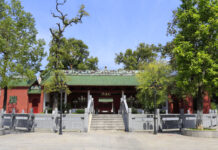
The ship was then transferred into the purpose-built Guangdong Maritime Silk Road Museum on Hailing Island, its architecture designed to echo ocean waves, where it was lowered into a glass-walled enclosure; for years, visitors could watch archaeologists excavating the hull through observation windows as the work proceeded inside the museum.
随后,这艘船被转移至专为其建造的海陵岛广东海上丝绸之路博物馆,馆舍建筑造型灵感取自海浪;船体被安置于一座玻璃幕墙围合的展示空间之中,多年来,游客透过观察窗,便可看到考古学家在馆内持续进行发掘作业。

Thirty-Six Years from Discovery to 180,000 Artefacts
从发现到十八万件文物出土,历时三十六年
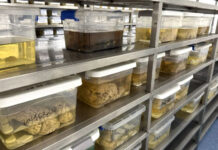
By 2023, 36 years after its accidental discovery, archaeologists had completed the extraction of artefacts from Nanhai No. 1, with more than 180,000 items or sets recovered, according to Guangdong provincial cultural heritage material, the largest quantity of relics ever recovered from a single archaeological project in China.
据广东省文物部门相关介绍,到二零二三年,距”南海一号”意外发现已过去三十六年,考古人员完成了船内文物的提取工作,累计出土文物逾十八万件(套),是中国单个考古项目出土文物数量之最。
Among the finds were more than 130 kilograms of silver bars, a 1.72-metre gold chain, thousands of bronze coins and vast quantities of porcelain, evidence the ship had been fully loaded for an outbound trading voyage before it sank for reasons that remain uncertain, with overloading and a storm among the explanations proposed.
出土文物中包括逾一百三十公斤银锭、一条长一点七二米的金项链、数千枚铜钱,以及大量瓷器,这些证据表明,这艘船沉没时正满载货物、准备远航贸易;至于沉没原因,至今仍无定论,超载和遭遇风暴均是研究者提出的可能解释。
Six Reactors, and for a Time the World’s Largest Operating PWR Nuclear Base
六座百万千瓦级反应堆,一度构成全球最大的压水堆核电基地
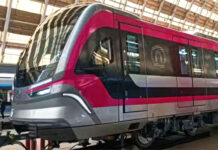
Yangjiang is also home to six roughly 1,000-megawatt-class pressurised water reactors making up the Yangjiang Nuclear Power Station, all of which reached full commercial operation in July 2019; with all six units running, the plant became, according to China’s nuclear authorities, the world’s largest operating pressurised water reactor nuclear power base.
阳江境内还坐落着由六座百万千瓦级压水堆反应堆组成的阳江核电站,全部机组已于二零一九年七月实现全面商业运营;六台机组全部投运后,据中国核能主管部门介绍,这里成为全球运营规模最大的压水堆核电基地。
Construction began on 16 December 2008 at a total investment of nearly ¥70 billion, and the site has since been designated a National Nuclear Science Popularization Education Base, opening parts of its operations to public visits.
工程于二零零八年十二月十六日开工,总投资近七百亿元人民币;此后该基地被评定为国家级核科普教育基地,部分设施对公众开放参观。
Yangjiang is known too for a knife-making tradition the city traces back more than 1,400 years, still represented today by the local brand Yangjiang Shibazi, which has ranked first nationally in kitchen-knife production and sales for 28 consecutive years according to the city government.
阳江还以一项可追溯至一千四百多年前的刀剪制造传统闻名,如今仍由本地品牌”阳江十八子”延续;据市政府介绍,该品牌厨刀产销量已连续二十八年位居全国第一。
According to the city’s own 2024 economic communiqué, Yangjiang’s GDP reached ¥163 billion that year, up 3.5 percent, with per capita output at ¥62,100; the permanent population stood at 2.6266 million, essentially unchanged from the year before.
据该市自身发布的二零二四年经济统计公报显示,当年阳江市GDP达一千六百二十九点五八亿元,同比增长百分之三点五,人均产值为六万二千一百元;常住人口为二百六十二点六六万人,较上年基本持平。
Getting to Yangjiang means a high-speed rail journey of around 90 minutes from Guangzhou, with Hailing Island and the Maritime Silk Road Museum a further journey south from the city centre.
前往阳江,可乘坐高铁,从广州出发车程约九十分钟;海陵岛及海上丝绸之路博物馆,则需从市区再向南行驶一段路程方可抵达。