



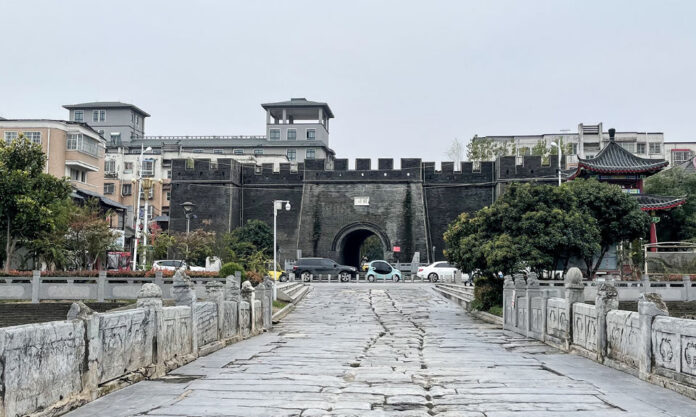



Zhumadian has one of those place names that seems almost too plain to be real. “Stop the horse. Find a shop.” It sounds less like a city than an instruction given at the end of a long road. But what be a long road were there not a few stops along the way?
驻马店这个名字,直白得几乎不像一座城市。“把马停下,找家店住。”它听起来不像地名,倒像是赶了一天路之后,有人随口交代的一句话。
That is not a bad way in. The city sits in south-central Henan, on ground that has long been crossed, rested in, farmed, fought over and passed through again. Zhumadian does not arrive with the heavy theatre of Luoyang or Kaifeng. It is quieter than that, but not thin.
这样进入这座城市,倒也合适。驻马店位于河南中南部,这片土地很早就有人经过、停留、耕种、争夺,然后继续上路。它不像洛阳、开封那样一登场就带着厚重的历史舞台感。它安静一些,但并不单薄。
The old explanation is that couriers and travellers once rested their horses here along the postal roads, giving the place both its name and its temperament. Even now, there is something useful about thinking of Zhumadian as a stop rather than a spectacle. Stops matter. Without them, journeys become punishment.
关于名字,最常见的说法是,古代驿路上的信使和行旅曾在此驻马歇息,于是有了“驻马店”这个名字,也有了这座城市某种底色。即使到今天,把驻马店理解为一个“停留之地”,而不是一个必须立刻制造惊叹的景点,仍然很有用。停留本身是重要的。没有停留,旅途就只剩受罪了。
From Postal Roads to Old Henan Stories
从驿路到河南旧故事
Zhumadian’s administrative centre is still called Yicheng, the “post-station city”, which is a rare case of history leaving its label on the door. Around it are counties whose names carry older memories; Runan, Shangcai, Xiping, Queshan, Zhengyang. They do not need to work very hard to sound ancient.
驻马店的主城区今天仍叫驿城区,也就是“驿站之城”。历史把标签直接留在门口,这种情况并不多见。它周围还有汝南、上蔡、西平、确山、正阳这些县名,本身就带着旧时光的味道,几乎不用刻意显得古老。



The official list of associations is long. Zhumadian is linked with Li Si of the Qin, Fan Zhen of the Southern Dynasties, the Double Ninth Festival and even the Liang Shanbo and Zhu Yingtai love story. As with many old Chinese places, the claims pile up quickly. The wiser response is not to score them like a courtroom brief, but to notice what kind of place keeps attracting such stories.
官方资料里列出的关联很多。驻马店与秦代李斯、南朝范缜、重阳节源头,以及梁山伯与祝英台的爱情传说都有联系。中国的古老地方常常如此,故事一多,来得很快。或许不必把每一条都当成法庭证据来核对,更值得注意的是,什么样的地方会不断吸引这样的故事落在自己身上。
Chaya Mountain is the obvious outing. It is not high in the grand western-China sense, but it has personality. Granite forms gather there in odd shapes, enough for the place to become associated with the television world of Journey to the West. That connection makes sense. Some mountains feel devotional; Chaya Mountain looks ready for a monkey king to appear from behind a rock and start trouble.
嵖岈山是最明显的一站。它并不是西部大山那种高度,但很有性格。花岗岩山体堆叠出许多奇形怪状的景观,也让这里与电视剧《西游记》的影像世界联系在一起。这种联系并不牵强。有些山适合清修;嵖岈山则像是随时会有孙悟空从石头后面跳出来惹事。
That said, Zhumadian is not only a mountain day. Suya Lake, near Runan, opens the city outward in a different way. It is a large artificial plain reservoir, broad enough to make the horizon relax a little. After the roads, stations and old county names, the water gives the place some breathing room.
但驻马店并不只有一座山。汝南附近的宿鸭湖,用另一种方式把这座城市打开。它是一座大型平原人工水库,水面开阔到足以让地平线松一口气。走过驿路、旧县名和山石之后,湖水给了这片地方一些喘息的空间。
Sesame, Spice and the Practical Business of Staying Fed
芝麻、香料与把日子过饱的本事
Food may be the best way to understand Zhumadian without over-explaining it. This is an agricultural city, and it tastes like one. Sesame, peanuts, mushrooms, chestnuts, vinegar, flour and oil all do quiet work here. The city is known for grain and edible oil, but that sounds too abstract until breakfast arrives.
理解驻马店,吃可能比解释更有效。它是一座农业底色很重的城市,味道也像这样。芝麻、花生、香菇、板栗、醋、面粉和香油,都在这里安静地发挥作用。驻马店以粮油闻名,但这话听起来太概括,直到早餐端上来才真正明白。
Wang Shouyi Thirteen Spices is the famous name, the packet many Chinese kitchens know without needing to think about its hometown. Add Zhumadian small-ground sesame oil, Pingyu white sesame, Zhengyang peanuts and Biyang mushrooms, and the city begins to smell less like an entry in a gazetteer and more like a cupboard that actually gets used.
王守义十三香是最有名的名字,很多中国厨房不用想就认识那只包装袋,却未必会想起它来自驻马店。再加上驻马店小磨香油、平舆白芝麻、正阳花生和泌阳花菇,这座城市便不再像地方志里的条目,而更像一个真正天天被打开的厨房柜子。



There is also a pleasing lack of fuss in the local eating. Hu la tang, sesame-leaf noodles, Runan chicken meatballs, vinegar, fried snacks and peanuts do not ask to be admired at a distance. They are there to be eaten hot, preferably while someone nearby is telling you that the place down the road does it better.
本地吃食还有一种很舒服的不讲排场。胡辣汤、芝麻叶豆面条、汝南鸡肉丸子、陈醋、油炸小吃和花生,都不是那种摆远了让人欣赏的食物。它们最好趁热吃,而且旁边最好有人告诉你,前面那家其实做得更好。
Getting there from Nanjing is easier than the name’s old-road mood might suggest. Zhumadian West is on the Beijing-Guangzhou high-speed rail corridor, and direct trains from Nanjing South usually take a little over 5 hours, with faster options possible if changing at Wuhan or Xuzhou. There is no major airport in the city itself; Xinyang Minggang, Zhengzhou Xinzheng and Wuhan Tianhe are the practical air choices, depending on where one is coming from. In other words, the horses have gone, but the habit of being reachable remains.
从南京去驻马店,比这个古驿站名字给人的感觉要方便。驻马店西站位于京广高铁通道上,从南京南直达通常五个多小时;如果经武汉或徐州中转,也常有更快的方案。驻马店市区本身没有大型民航机场,较现实的航空选择是信阳明港、郑州新郑或武汉天河,取决于从哪里出发。换句话说,马已经不在了,但“到得了”的传统还在。
A simple two-day visit would work. Spend one day at Chaya Mountain, and leave enough time for the rocks to become strange at their own pace. Use the other for Runan and Suya Lake, or stay closer to town and follow the city’s post-station theme through Yicheng and the newer Royal Post Station area. It is not necessary to force grandeur on Zhumadian. The place is better when allowed to be useful, old, ordinary and quietly odd.
两天安排就够清楚。第一天去嵖岈山,给那些石头一点时间,让它们按自己的节奏变得奇怪。第二天可以去汝南和宿鸭湖,也可以留在市区附近,顺着驿城和皇家驿站一带继续看这座城市的驿站主题。不必硬把宏大感套在驻马店身上。它更适合被允许保持实用、古老、普通,又有一点安静的古怪。
Zhumadian is not trying to be the first Henan city people name. That may be why it still has room to feel like itself. It has old roads, flat land, odd rocks, big water, sesame oil, spice packets and a name that tells you exactly what people once needed here. They needed to stop. Sometimes that is still the beginning of seeing a place properly.
驻马店并不急着成为人们第一个说出口的河南城市。也正因为如此,它还有空间保持自己的样子。这里有旧路、平原、怪石、大水、香油、调料包,还有一个直接说出古人曾经需要什么的名字。他们需要停下来。有时候,真正看懂一个地方,也正是从停下来开始的。