



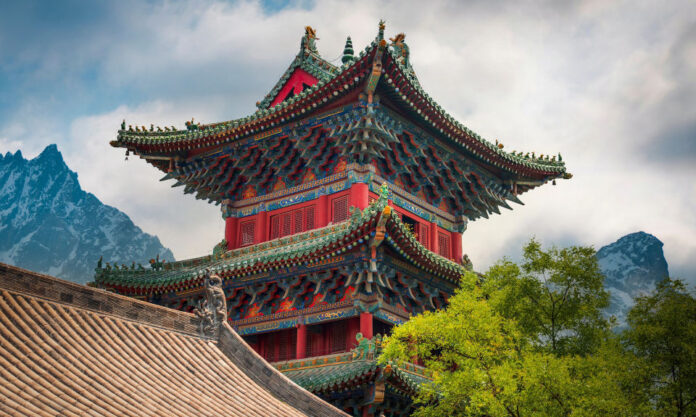



This is one of those cities with a lot in its hands. 13 dynasties, peonies, grottoes, old capital memory, White Horse Temple, museum country, food, night streets. Overstuffed like that. But on the ground, Luoyang feels more like a city that simply never stopped receiving deliveries.
洛阳是一座手里东西很多的城市。十三朝古都、牡丹、石窟、古都记忆、白马寺、博物馆之城、吃食、夜街。这样列出来,听上去很满,但真到了地面上,它更像是一座始终没有停止收货的城。
The useful thing about Luoyang is that it does not keep its history behind glass all the time. You can be at Longmen one moment, with cliff faces full of Buddha images and the Yi River moving underneath, and then later be standing in the old city with a paper cup of tea, a family buying snacks, and somebody in hanfu trying very hard not to look like they are trying very hard.
洛阳最有用的地方在于,它并不总把历史摆在玻璃后面。你前一刻还在龙门,看崖壁上满是佛像,伊河从下面流过去;下一刻可能就站在老城里,手里拿着一杯茶,一家人在买小吃,还有穿汉服的人努力让自己看起来不像在努力。
Cliffs, Monks, and Weathered Faces
崖壁、僧人,以及被风吹旧的脸
Longmen is the obvious place to start, but even that feels a bit misleading because “start” suggests a tidy route, and Luoyang is not especially tidy. The grottoes are immense, but what stays with you is not just the scale. It is the weathering, the broken faces, the line of the river, the way stone can still look soft after you have stared at it long enough. There is a kind of sadness in it, but not the theatrical kind. More like patience that has lasted too long and become a feature.
龙门当然是最容易拿来开场的地方,但就连这个“开场”也有点误导,因为它听起来像一条整齐的路线,而洛阳并不怎么整齐。石窟当然庞大,可真正留在脑子里的,不只是规模。还有风化、残缺的脸、河水、以及石头看久了居然仍然会显得柔软这一点。这里有一种悲伤,但不是戏剧化的那种,更像是耐心太久之后,已经变成了景观的一部分。

At dusk, Longmen can look almost absurdly beautiful. A peony-themed sightseeing boat glides along the Yi River, people in Tang-style costume are smiling for somebody’s camera, and the grottoes sit there behind it all with their old, serious faces. It should feel like a theme-park arrangement, but somehow it doesn’t quite. The old and the new are too awkwardly close to each other for that, which is probably why the scene works.
傍晚的龙门,有时候美得几乎有点过分。一艘牡丹主题的游船顺着伊河滑过去,唐风服饰的人正在给某个人的镜头笑,后面则是那些老得很认真的石窟。按理说这应该很像景区布景,可它偏偏又不太像。新与旧挨得太近,姿势也不够整齐,所以反而成立了。
White Horse Temple gives Luoyang another kind of weight. It is remembered as the first Buddhist temple established in China, which is a serious claim and one that the place does not need to shout about. The temple feels a little more settled than the grottoes, more courtyard than cliff, more incense than stone. Monks, visitors, yellow roof tiles, and the quiet sense that Buddhism arriving in China has been made to fit the local weather.
白马寺又给洛阳添了另一种分量。它被认为是中国第一座官办佛寺,这是很重的说法,但这里并不需要高声宣布。寺里比石窟更安稳一些,更多是院落,不是崖壁;更多是香火,不是石头。僧人、游客、黄瓦,以及一种安静的感觉:佛教到了中国之后,似乎已经被本地的天气和土壤慢慢接住了。
Peonies, Noodles, and the Night City
牡丹、面条,以及夜里的洛阳
Peonies are the city’s other big public answer. They bloom in late spring and turn Luoyang into a place where people suddenly care about sleeves, photo angles, and how to stand still in a garden without looking like they are waiting for instructions. The flowers are famous enough to feel almost formal, but the city’s relationship with them is not formal at all. It is a seasonal habit, a public excuse, a reason to wander out and stay late.
牡丹是洛阳另外一个很大的、公开的答案。每到晚春,花一开,洛阳就会变成一个让人突然开始在意袖子、拍照角度,以及站在花园里怎么站才不像在等指令的地方。牡丹当然够有名,名气大得甚至有点正式,但洛阳和它们的关系一点也不正式。那更像一种季节习惯、一种公共借口、一个让人出门走走并且愿意待晚一点的理由。


The city is also more of a working place than the tourist gloss suggests. Luoyang has industry, museums, machinery, old neighborhoods, a lot of ordinary traffic, and the slightly stubborn feeling of a place that has had to keep doing real work underneath all the heritage. Luoyang Museum, the Tang sancai pieces, the city’s old wards and the new study-tour traffic all belong in the same sentence, though not always the same mood.
这座城也比旅游包装暗示得更像一座干活的地方。洛阳有工业,有博物馆,有机械,有老街区,有很多普通车流,还有一种略微倔强的感觉:在所有古迹之下,它一直都得继续做真工作。洛阳博物馆、唐三彩、古城里的旧坊、以及现在一拨接一拨的研学人流,确实都在同一座城市里,只是不总是在同一种气氛里。
And then there is the evening city, which I think is where Luoyang becomes most itself. Night markets, soup, dumplings, hanfu photos, people who have clearly been walking all day and are now committed to eating something hot whether they planned to or not. The city can be monumental in the morning and slightly greasy by night, which feels right. Most cities are better like that.
然后是夜里的洛阳,我觉得这时候它最像它自己。夜市、汤、饺子、汉服拍照、那些已经走了一整天的人,到了晚上就会不管原计划是什么,都很认真地决定要吃点热的。白天它可以很宏大,晚上它又略微带点油,这反而对路。大多数城市其实都应该这样。
Getting there from Nanjing is straightforward. Direct high-speed trains from Nanjing South to Luoyang Longmen usually take about 4 hours 3 minutes to 4 hours 45 minutes, depending on the service. That is long enough to feel like a real trip and short enough that Luoyang does not become a project. It arrives at the right scale.
从南京去洛阳很方便。南京南到洛阳龙门的直达高铁通常大约4小时3分到4小时45分,具体看车次。这个时间足够算一次真正的出行,又不至于让洛阳变成一个“项目”。它的抵达尺度刚刚好。
A first visit does not need to be neat. Longmen first, yes, because you should see those faces in the rock and the river below them. White Horse Temple too, and then the old city, and then whatever turns up later when you are tired and hungry and the city is still awake. Luoyang works best when you let it be both ancient and a bit crowded, both beautiful and slightly untidy.
第一次来,不需要太整齐。先去龙门,这是应该的,因为你得先看看那些石头上的脸和下面的河。白马寺也要去,然后是老城,再然后就是你累了、饿了、城市还醒着的时候,路上碰见什么就看什么。洛阳最好看的时候,往往是你允许它既古老、又有点拥挤;既很美、又稍微有点乱。
Luoyang is not a city that can be reduced to one line without losing the point. It has too many durable surfaces: rock, glaze, paper flowers, temple walls, museum labels, street food steam. It is old, yes, but not dead old. It is still in use.
洛阳不是那种可以用一句话说完而不丢掉重点的城市。它有太多耐用的表面:石头、釉色、纸花、寺墙、博物馆标签、街边热气。它当然很老,但不是那种“已经死掉的老”。它还在被使用。