



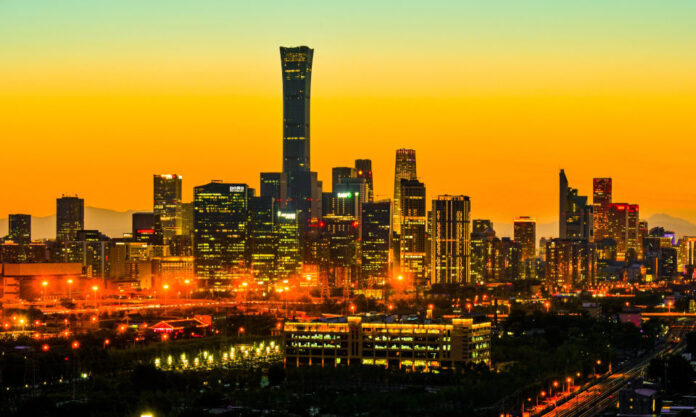



Ningbo overtook Dongguan as China’s fourth-largest exporting city in 2024, shipping ¥945.5 billion of goods abroad against Dongguan’s ¥889.7 billion, ending a run of more than a decade during which Dongguan had trailed only Shanghai, Shenzhen and Suzhou.
二零二四年,宁波超越东莞,成为中国出口总额第四大城市,当年出口额达九千四百五十五亿元,而东莞为八千八百九十七亿元;这也结束了东莞此前长达十余年、仅次于上海、深圳与苏州的出口排名。
Dongguan was still a largely agricultural county in July 1978, when it opened the Taiping Handbag Factory, widely credited as mainland China’s first export-processing enterprise funded by Hong Kong investors, an early precursor of the export-led manufacturing model that would flourish under reform and opening-up; the arrangement had Hong Kong supplying materials and equipment while Dongguan supplied premises and labour. Within a few decades the county had become one of the most densely industrialised patches of land on earth, home to the headquarters of smartphone makers Oppo and Vivo, and to factories supplying electronics, toys, furniture and clothing to the rest of the world.
一九七八年七月,东莞还是一个以农业为主的县,太平手袋厂在此开业,普遍被认为是中国大陆第一家依托香港资本设立的来料加工企业,是日后在改革开放大潮中蓬勃发展的出口导向型制造业模式的早期先声;这一模式由香港提供原材料与设备,东莞提供厂房与劳动力。此后短短数十年间,这个县发展成为全球工业密度最高的地区之一,如今是智能手机制造商OPPO与vivo的总部所在地,也是向世界各地供应电子产品、玩具、家具与服装的制造基地。

An Industry Once Estimated at a Tenth of the City’s Economy
一个一度被估算占全市经济十分之一的产业
China Central Television aired an investigative report on Dongguan’s sex industry on 9 February 2014, after which more than 6,500 police officers were mobilised across the city; Dongguan had by then acquired the nickname China’s “sex capital” in Chinese and international media, and contemporary estimates put the annual value of the sector at ¥40 to 50 billion, more than a tenth of the local economy.
二零一四年二月九日,中国中央电视台播出了一则关于东莞色情业的调查报道,此后全市动员了超过六千五百名警察展开行动;彼时,东莞已在中外媒体报道中获得了”性都”的绰号,当时的估算显示,该产业年产值约在四百亿至五百亿元人民币之间,占当地经济总量的十分之一以上。
Lin Jiang, a professor of public finance at Sun Yat-sen University, estimated that the crackdown could ultimately cost businesses including hotels, shops and restaurants as much as ¥50 billion, while acknowledging that the figure could not be verified from official data; taxi drivers and restaurant owners with no direct involvement in the sex trade reported losing customers who had previously come to the city for it.
中山大学财税学教授林江曾估计,这场整治行动最终可能给酒店、商铺与餐饮等本地商户造成高达五百亿元人民币的损失,但他同时也承认,这一数字无法通过官方数据加以核实;不少与性交易毫无直接关联的出租车司机与餐馆经营者也反映,此前专程为此而来的顾客大幅减少。
A Garden Smaller than a Football Pitch that Helped Seed a School of Painting
一座比足球场还小的园林,曾为一个画派埋下种子
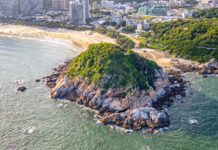
Keyuan Garden, built in 1850 by Zhang Jingxiu, a Qing dynasty official demoted from his post as a provincial administration commissioner, covers just 2,200 square metres, small enough that its design relies almost entirely on winding corridors and framed views to make the space feel larger than it is. Zhang, skilled in painting, calligraphy, chess and poetry, retired here and turned the garden into a gathering place for the literati of his day.
可园建于一八五零年,由被降职罢官的清代按察使张敬修所建,占地仅二千二百平方米,面积之小,以至于整座园林几乎全靠回廊曲径与借景框景的手法,营造出比实际空间更为开阔的错觉。张敬修精通绘画、书法、棋艺与诗文,退隐归乡后,便将这座园林变成了当时文人雅士的聚会之所。
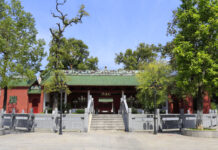
For about nine years from the mid-1850s until Zhang’s death in 1864, the painters Ju Chao and Ju Lian lived and worked inside Keyuan at Zhang’s invitation. Their work during this period helped develop the artistic tradition later regarded as a precursor to the Lingnan School of Painting; its eventual founders, including Gao Jianfu and Chen Shuren, studied under Ju Lian later in Guangzhou, at what became known as the Garden of Ten Fragrances.
自一八五零年代中期起,直至一八六四年张敬修去世,画家居巢与居廉应邀在可园居住创作,前后约九年之久。他们在此期间的创作,发展出了后世被视为岭南画派先声的艺术传统;而这一画派真正的创立者,包括高剑父与陈树人,则是后来在广州、于居廉设帐授徒的”十香园”中拜其为师。
According to the city’s own 2024 economic communiqué, Dongguan’s GDP reached ¥1.228215 trillion that year, up 4.6 percent, with per capita output at ¥116,661; the permanent population stood at 10.5708 million, though only 3.2695 million held local household registration, meaning more than two-thirds of the city’s residents are, on paper, from somewhere else.
据该市自身发布的二零二四年经济统计公报显示,当年东莞市GDP达一万二千二百八十二点一五亿元,同比增长百分之四点六,人均产值为十一万六千六百六十一元;常住人口为一千零五十七点零八万人,但其中仅三百二十六点九五万人拥有本地户籍,这意味着这座城市逾三分之二的居民,在户籍登记上都来自其他地方。
Getting to Dongguan means a short high-speed rail journey from either Guangzhou or Shenzhen, both under an hour away, or a drive along the Guangshen Expressway that runs directly through the factory towns that still make much of what the rest of the world buys.
前往东莞,可乘坐高铁,从广州或深圳出发,车程均不到一小时;也可沿广深高速公路驱车前往,这条公路直接贯穿那些至今仍在为全世界生产商品的一座座工业城镇。