


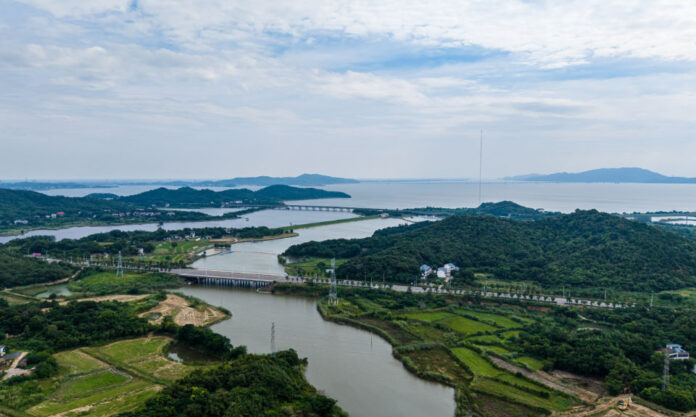

Nine rivers were once said to converge at the spot where Jiujiang grew into Jiangxi’s main water port, giving the city a name that literally means Nine Rivers; within a matter of decades, what actually converged there was something else entirely.
相传九条河流曾在此交汇,九江因此在这一带发展成为江西最重要的水运港口,城市之名”九江”,本意正是”九条江河”;然而不过数十年后,真正在此汇聚的,却是截然不同的另一样东西。
Laurence Oliphant, private secretary to Lord Elgin and a member of the British committee sent in 1858 to survey Chinese ports ahead of treaty negotiations, found the city in ruins after years as a Taiping Rebellion stronghold, and recorded his impression in his own published account of the mission: “We found it to the last degree deplorable.” A single dilapidated street, composed only of a few mean shops, was all that remained of what had once been a thriving, populous city; the rest of the area within its own walls, nearly ten kilometres in circumference, held nothing but weeds and kitchen gardens.
劳伦斯·奥利芬特,时任额尔金勋爵的私人秘书,也是一八五八年英方委员会成员之一,受命考察中国各港口,为条约谈判做准备;当时这座城市正因太平天国盘踞多年而满目疮痍,他在自己出版的使团纪实中直言不讳:”我们发现这座城市已到了令人绝望的地步。”整座城中,仅剩一条破败不堪、只有寥寥几家简陋店铺的街道,曾经繁华兴盛的景象荡然无存;城墙之内,方圆近十公里的土地上,只剩下杂草与菜园。
Yet within four years of that visit, the ruined city Oliphant described was reopened as a treaty port, in 1862, under the same regulations that created Hankou; Britain established a concession there the following year, and a settlement with barely a functioning street rebuilt itself into one of the busiest foreign trading posts on the entire Yangtze.
然而,就在奥利芬特笔下那座废墟之城被造访后不到四年,九江已于一八六二年依据与汉口相同的规定重新开埠通商;英国次年在此设立租界,一座连一条像样街道都难以为继的聚落,竟迅速重建为整条长江沿线最为繁忙的外商贸易口岸之一。
Rice Was the Plan, Opium Was the Reality
稻米是初衷,鸦片却是现实
The treaties that created Jiujiang’s port had envisaged rice, tea and legal commerce flowing through it; within half a century, one of the busiest cargoes passing through Jiujiang Customs was opium. According to the Chinese Maritime Customs Service’s own trade returns, more than 160,000 kilos of it moved through the city’s customs house in 1904 alone, a volume the treaty’s original architects had certainly not intended when they drew up terms for the rice trade.
创设九江通商口岸的条约,原本设想流经此地的应是稻米、茶叶与合法商品;然而不到半个世纪,经由九江海关流通的最大宗货物之一,竟是鸦片。据中国海关总税务司自身的贸易报告显示,仅一九零四年一年之内,便有逾十六万公斤鸦片经此流通,这样的数量,远远超出了当年为稻米贸易而拟定条约条款之人的预想。
According to the city’s own 2024 economic communiqué, Jiujiang’s GDP reached ¥402.2 billion that year, up 3.8 percent, with per capita output at ¥89,025; the permanent population stood at 4.499 million, down 37,100 on the year before.
据该市自身发布的二零二四年经济统计公报显示,当年九江市GDP达四千零二十一点七五亿元,同比增长百分之三点八,人均产值为八万九千零二十五元;常住人口为四百四十九点九万人,较上年减少三点七一万人。
Getting to Jiujiang means a high-speed rail journey of around an hour from Nanchang, or a longer route along the Yangtze itself, on which the city remains the fourth-largest port on the entire river, and Jiangxi’s only international trade port to this day.
前往九江,可乘坐高铁,从南昌出发车程约一小时;也可沿长江水路而行,九江至今仍是整条长江沿线第四大港口,也是江西省唯一的国际贸易港口城市。
The nine rivers still meet where they always have; what they carry has changed completely, from opium counted by the kilo to iron ore and container cargo counted by the tonne.
九条江河依旧在原处交汇如初;而它们所承载的货物,却已彻底改变——从当年以公斤计量的鸦片,变成了如今以吨计量的铁矿石与集装箱货物。