






Seven divisions under Yu Jin drowned outside Fancheng in 219 AD, when a sudden flood sent the Han River over its banks; Guan Yu, watching from higher ground, seized his chance, forced a surrender and doomed a rival general to execution.
公元二一九年,于禁所率的七支军队在樊城城外溃败于突如其来的洪水之中,汉水暴涨、决堤而出;关羽居高临下,趁势出击,迫使于禁投降,而另一员敌将则因此被处死。
West of the city, at Longzhong, Zhuge Liang lived in reclusion before Liu Bei’s three visits to his thatched cottage produced a strategic plan for splitting the empire three ways; historians credit that plan with shaping, though not single-handedly deciding, the Three Kingdoms era that followed.
城西的隆中,曾是诸葛亮隐居之地;刘备”三顾茅庐”求教于此,由此定下了三分天下的战略构想。史学界普遍认为,这一构想深刻影响了此后三国鼎立的格局,尽管并非唯一决定性因素。
Xiangyang’s reputation for holding out runs deeper still. According to an account carried by The Paper, the saying “iron Xiangyang, paper Fancheng” first entered local speech in 1206, when Jin dynasty forces claiming 500,000 troops laid siege; the Song commander burned Fancheng to the ground, pulled every defender back inside Xiangyang, and held the walls with fewer than 10,000 men until the siege broke.
襄阳”久攻不下”的名声,渊源其实更为深远。据澎湃新闻报道,”铁打的襄阳,纸糊的樊城”这句俗语,最早出现于一二零六年,当时号称五十万大军的金兵围攻此地;南宋守将烧毁樊城,将全部守军撤入襄阳城内,以不足万人的兵力死守城墙,直至金兵退去。
Walk the surviving Ming wall today and the story still hangs in the air. One Trip.com visitor wandering its stone-paved streets wrote that they could almost hear the neighing of warhorses from the Three Kingdoms period, and pointed newcomers towards Lady’s City, a lookout tower named for Sun Quan’s sister, who local legend says once helped defend it herself.
如今漫步在这段保存下来的明代城墙上,那段历史似乎仍萦绕不散。一位携程网游客写道,走在铺满青石的街道上,几乎能听见三国时期战马的嘶鸣声;她还向初来乍到的游客推荐了”夫人城”,这座瞭望塔以孙权之妹命名,相传她曾亲自协助守城。
The Siege That Took Kublai Khan Six Years
忽必烈用六年才攻下的围城
That defensive logic faced its harshest test between 1267 and 1273, when Mongol forces under Kublai Khan besieged Xiangyang and Fancheng together. The two cities worked as one system, joined by a pontoon bridge across the Han River, its pilings driven into the riverbed and lashed together beneath a plank deck; Song ships kept that link open for years, moving troops and grain between the twin fortresses even under attack.
这套防御逻辑,在一二六七年至一二七三年间面临了更为严峻的考验,忽必烈麾下的蒙古大军,对襄阳与樊城两城同时发起围攻。两座城池当时如同一体,靠一座横跨汉水的浮桥相连,浮桥木桩深深钉入江底,再用铁索相连、铺上木板;宋军的战船让这条通道多年畅通无阻,即便在攻城之际,兵员与粮草仍可往来于双城之间。
The siege only ended once Mongol engineers brought in counterweight trebuchets, a technology learned through contact with the Islamic world, throwing stones far beyond the reach of anything the defenders had faced before. Fancheng fell first; Xiangyang’s commander surrendered soon after, having won a promise that the population would be spared.
这场围城战,直至蒙古工匠引入配重式投石机才最终告终,这一技术是蒙古人借鉴伊斯兰世界所得,其投掷距离远超守军此前所面对的任何攻城器械。樊城率先失守,襄阳守将随后不久也宣布投降,但事先获得了蒙军承诺不加害城中百姓。
Xiangyang today carries little of that violence. According to the city’s own 2024 economic communiqué, its permanent population stood at roughly 5.28 million that year, the second-largest by resident population in Hubei after Wuhan; GDP reached ¥610.2 billion, up 5.9 percent on the previous year, with per capita output at around ¥111,000.
如今的襄阳,已鲜少留有当年那段战火的痕迹。据该市自身发布的二零二四年经济统计公报显示,当年常住人口约为五百二十八万,按常住人口计,是湖北省内仅次于武汉的第二大城市;GDP达六千一百零二亿元,同比增长百分之五点九,人均产值约为十一万一千元。
The Breakfast Zheng Qinwen Misses Most
郑钦文最想念的早餐
Xiangyang beef noodles have been made here since the Kangxi era of the Qing dynasty, over 300 years ago, first popularised by a Hui Muslim community living near the north end of the Han River bridge. Locals describe the bowl as one spice, two forms of numbing heat and three layers of freshness, and it remains the city’s standard breakfast; Olympic tennis champion Zheng Qinwen, born here, has said in post-match interviews that a bowl of it was the first thing she wanted after winning at the Asian Games.
襄阳牛肉面自清代康熙年间便已有之,至今已逾三百年历史,最初由居住在汉江大桥北端一带的回族群体发扬光大。当地人将这碗面形容为”一辣二麻三鲜”,至今仍是全城最普遍的早餐;土生土长的襄阳人、奥运网球冠军郑钦文曾在亚运会夺冠后的采访中提到,家乡的这碗牛肉面,是她夺冠后最想吃的东西。
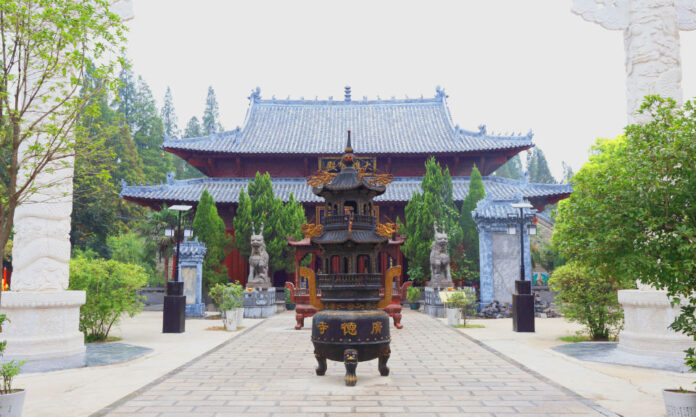
Longzhong has since been rebuilt into a scenic area around Zhuge Liang’s reconstructed cottage, with pavilions and shrines added over the decades; coach parties arrive as much for the story as for the hillside itself, retracing on foot the path Liu Bei is said to have walked three times before Zhuge Liang agreed to see him.
隆中如今已被重建为一处风景区,核心是复建的诸葛亮草庐,历经数十年增建的亭台祠堂散落其间;旅游团纷至沓来,既为这段历史渊源,也为山间景色,他们循着刘备当年”三顾”的足迹,徒步重走这段路。
Getting to Xiangyang is straightforward by rail; high-speed lines connect the city to Wuhan in around two hours, and a newer line to Jingmen, opened in September 2025, cuts that journey to under an hour. Xiangyang Liuji Airport, some 18 kilometres from the city centre, handled almost 1.9 million passengers in 2025, with domestic routes to most major Chinese cities.
前往襄阳交通十分便利;高铁前往武汉约需两小时,而二零二五年九月开通的一条新线路,更将前往荆门的车程缩短至一小时以内。距市区约十八公里的襄阳刘集机场,二零二五年旅客吞吐量接近一百九十万人次,开通了通往中国各大城市的国内航线。
The pontoon bridge that once tied Xiangyang and Fancheng together against Kublai Khan is long gone, replaced now by permanent bridges across the Han; but the same river that carried Yu Jin’s army away in 219 AD still runs between the two halves of a city that, once, refused to fall as one.
当年助襄阳与樊城联手抵御忽必烈大军的那座浮桥早已不复存在,如今已被永久性桥梁取代;但公元二一九年冲垮于禁大军的这条河,至今依旧流淌在这座城市的两半之间——它们曾经,拒绝彼此分离。