



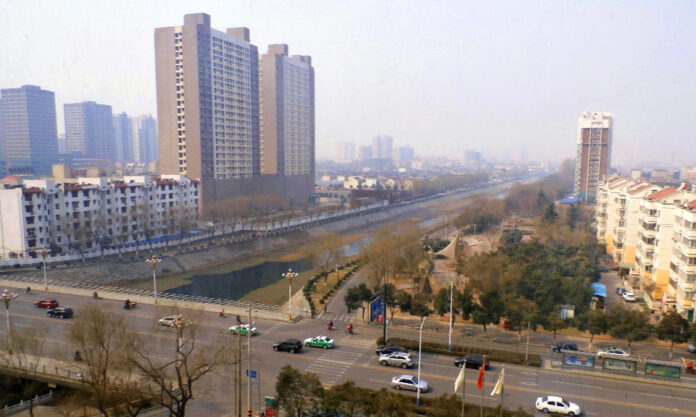



Jiyuan begins with a problem. Two mountains are in the way. An old man looks at them, knows perfectly well that the task is impossible, but starts digging anyway. That may be essential Jiyuan, but today it’s industry that dominates.
济源的故事从一个难题开始。两座山挡在前面。一个老人看着它们,明明知道这件事几乎不可能,却还是开始挖。
That, at least, is the legend. But legends are rarely useful because they happened exactly as told. They last because a place, or a people, keeps finding use for them. Jiyuan still does.
这当然是传说。但传说之所以有用,往往并不是因为它一字不差地发生过,而是因为一个地方、一群人,后来仍然不断从中找到意义。济源至今如此。
Set in northwestern Henan, where the Central Plains begin to rise into the Taihang and Wangwu mountains, Jiyuan is not quite the Henan of wheat fields, ancient capitals and crowded railway stations. It is smaller, more tucked away, and more shaped by slopes than plains.
济源位于河南西北部,中原平原到了这里开始抬升为太行山与王屋山。它并不完全是人们熟悉的那个河南;不是只有麦田、古都和拥挤车站的河南。它更小,更靠里,也更受山势影响。
From the Source of the Ji to the Mountain That Refused to Move
从济水之源到那座不肯挪开的山
Jiyuan takes its name from the source of the Ji River. That gives the city a pleasingly direct beginning. Before industry, before tourism slogans, before development zones, there was water coming out of the ground and people deciding that mattered.
济源之名,来自济水发源于此。这让这座城市的开头显得格外直接。在工业、旅游口号和开发区出现之前,这里先有水从地下涌出,也有人认定这件事值得记住。
Then comes Wangwu Mountain, one of those Chinese mountains that refuses to be only a mountain. It is scenery, yes, but also temple ground, old lesson and local inheritance. The tale of Yugong moving the mountains is rooted here, and it is hard to stand beneath Wangwu without feeling that the story has been made a little too tidy over the years.
接着便是王屋山。中国有些山从来不肯只做一座山,王屋山正是其中之一。它当然是风景,但也是庙宇所在、古老教训和地方遗产。愚公移山的故事发源于此;站在王屋山下,很难不觉得这个故事这些年被讲得太整齐了。
It is not really a story about being foolish. It is a story about scale. About starting something too large for one lifetime, and trusting that effort can travel farther than the person making it.
它其实不是一个关于“愚”的故事,而是一个关于尺度的故事。一个人开始做一件大到一生都做不完的事,并相信努力可以比努力的人走得更远。
Jidu Temple brings the city back from mountain air to courtyards and timber. Built for the worship of the Ji River, it carries the calm weight of old Chinese architecture; gates, halls, trees and axes arranged with the confidence of people who knew that water deserved ceremony.
济渎庙则把这座城市从山风中拉回院落与木构之间。它为祭祀济水而建,带着中国古建筑那种安静的分量;门、殿、树木和轴线,被安排得从容有度,仿佛古人很清楚,水也值得一场仪式。
Industry, Yellow River Water and Food That Does Not Pose
工业、黄河水与不摆架子的吃食
The surprise is that Jiyuan is not some sleepy keeper of an old fable. It works. Steel, lead, zinc, energy, chemicals, equipment manufacturing and new materials all belong to the city’s present tense. The legend gives Jiyuan one kind of identity; industry gives it another.
让人意外的是,济源并不是一座只负责保存古老寓言的安静小城。它很能干。钢铁、铅锌、能源、化工、装备制造和新材料,都是这座城市的现在时。传说给了济源一种身份,工业又给了它另一种。
That mixture saves the city from becoming merely pretty. Xiaolangdi makes the Yellow River feel engineered, muscular and public. The Yellow River Three Gorges gives the water a more theatrical setting. Wulongkou adds macaques, which prevents the whole thing from becoming too solemn.
这种混合感,反倒让济源没有变成单纯的“好看”。小浪底让黄河显得有工程感、有力量,也很公共;黄河三峡给水流加上更有戏剧性的布景;五龙口再放进一群猕猴,使这一切不至于太过严肃。
The food follows the same rule. It is local, filling and not especially interested in explaining itself. Jiyuan snacks include jidang bufan, meat-stuffed huoshao, thin fried noodles, beef balls, mung bean pastries and tumo, the sort of thing that makes more sense after the first bite than before it.
吃的也是这个路数。地方性强、实在,也不太急着解释自己。济源小吃里有鸡蛋不翻、肉夹火烧、细炒面、牛肉丸、绿豆酥和土馍;有些东西听名字未必立刻明白,但吃上一口之后,就没那么需要解释了。
Getting there from Nanjing takes a little intent. The easiest route is usually to take the high-speed train to Luoyang Longmen, around 4 to 5 hours, and then continue north by car or ordinary train. Luoyang Beijiao Airport is the nearer airport, while Zhengzhou Xinzheng offers more flights. Jiyuan’s own high-speed future is coming with Jiyuan East, but for now the journey still has a small change of rhythm in it, which is not a bad introduction to the place.
从南京去济源,需要一点明确的目的性。较现实的走法,通常是先乘高铁到洛阳龙门,大约4至5小时,再转汽车或普速铁路北上。洛阳北郊机场距离更近,郑州新郑机场航线更多。济源自己的高铁未来正在随着济源东站推进,但眼下这段旅程仍然需要换一次节奏;用来认识这座城市,倒也合适。
Two days would be enough to understand the shape of it. Give one day to Wangwu Mountain, and do not rush it; hurrying through the home of Yugong rather misses the point. Give the other to Jidu Temple, Xiaolangdi or Wulongkou, depending on whether the mood calls for old architecture, Yellow River scale or monkeys with better local knowledge than you.
两天足够让人明白它的轮廓。第一天留给王屋山,而且别太赶;在愚公的故乡急匆匆爬山,多少有点没听懂这个故事。第二天交给济渎庙、小浪底或五龙口,取决于你当天更想看古建筑、黄河的尺度,还是一群比你更懂本地路线的猕猴。
Jiyuan is not the Henan people expect first. That is its strength. It has source water, mountain weather, heavy industry, old temples and a founding myth about refusing to be defeated by geography. Plenty of cities claim to be determined. Jiyuan has paperwork going back to antiquity.
济源不是人们第一时间想到的那个河南,这正是它的长处。这里有水源、山气、重工业、古庙,还有一个关于不肯向地理认输的开城神话。很多城市都说自己有韧性。济源不一样,它的证明材料可以一路追到上古。