



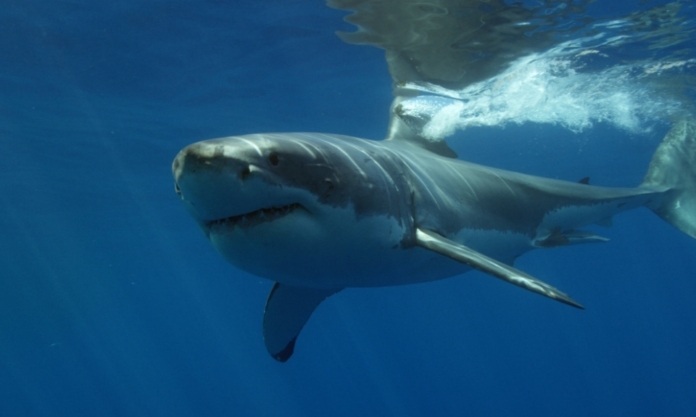



Supposedly helping people to see the specialties of different regions and spread food culture, vloggers will do anything to get more viewers. And that includes eating things which are either dangerous or which it is illegal to do so, they being protected animals.
据称,视频博主为了帮助人们了解不同地区的特产并传播饮食文化,他们会不惜一切代价吸引更多观看者。这包括吃危险的或非法的东西,它们是受保护的动物。
In recent years, food broadcasting culture has emerged. Indeed, eating and food is one of the most popular categories on short video platforms such as Douyin and WeChat Channels. However, in order to attract more views, anchors are increasingly crossing the legal red line in the sand.
近年来,美食广播文化兴起。确实,吃美食是抖音、微信频道等短视频平台上最受欢迎的品类之一。然而,为了吸引更多的观看,主播们越来越多地跨越法律红线。
Recently, a celebrity food vlogger posted a video of them eating shark. Alert viewers suspected the shark in the video to be a national Class II Protected Species of China. With public opinion raging, so the video attracted the attention of the relevant authorities. The shark was confirmed as a protected species and the blogger banned. Other related persons were also put under investigation.
近日,一位明星美食博主发布了一段他们吃鲨鱼的视频。警惕的观众怀疑视频中的鲨鱼是中国国家二级保护动物。随着舆论的沸沸扬扬,该视频因此引起了有关部门的关注。这条鲨鱼被确认为受保护物种,博主也被禁止了。其他相关人员也被立案调查。
In another case dating from July 2020, a food vlogger with more than 3 million fans cooked an endangered Jellyfish Snow Rabbit with instant noodles in their video. They were criminally detained, again for eating a national Class II Protected Species of China.
在2020年7月的另一起案件中,一位拥有超过300万粉丝的美食博主在视频中用方便面烹制了濒临灭绝的水母雪兔。他们再次因食用中国国家二级保护动物而被刑事拘留。
In this regard, experts pointed out that not only do the anchor and relevant personnel bear legal responsibility for disseminating videos showing the consumption of protected wildlife, but the platform involved also has an inescapable responsibility.
对此,专家指出,传播食用受保护野生动物的视频不仅主播及相关人员要承担法律责任,涉案平台也负有不可推卸的责任。
Elsewhere, as this publication reported just last week, China has recently seen a proliferation of the ferocious alligator eel, or gar. Its eggs are highly toxic, and dangerous if eaten, even by mistake. But in the vlogging ratings war, some anchors went so far as to make it into sauerkraut fish.
在其他地方,正如本刊物上周报道的那样,中国最近出现了凶猛的鳄鳗(或鳝鱼)的扩散。它的卵有剧毒,如果误食,即使误食也会很危险。但在视频博客收视大战中,一些主播竟然把它变成了酸菜鱼。
Ding Zhaochen is Technical Specialist for the Nanjing Pufferfish Protection Association. “Female alligator eels have highly toxic ovaries during breeding; the very idea of eating them is dangerous”, Ding said, reports The Paper.
丁兆臣,南京河豚保护协会技术专家。据澎湃新闻报道,丁说:“雌性鳄鳗在繁殖过程中的卵巢具有剧毒;食用它们的想法本身就是危险的。”
But it cannot be denied that the novelty of the ingredients in such vlogs is their main selling point. Many vloggers will also spice up their broadcasts with extreme descriptions in the titling thereof, such as, “One in a hundred years”, or, “First meal on the whole network”, to attract users to click to watch.
但不可否认的是,此类视频博客中成分的新颖性是它们的主要卖点。不少视频博主还会在标题中加入“百年一遇”、“全网第一顿饭”等极端描述,吸引用户点击观看。
Back when food vlogging was a novelty, anchors would generally chat and interacted with fans while eating live. Then, with the introduction of fan rewards, live streaming, product placement and other mechanisms, so food broadcasting became an emerging industry.
在美食视频博客还很新鲜的时候,主播通常会一边直播一边和粉丝聊天互动。随后,随着粉丝打赏、直播、植入式等机制的推出,吃播成为了一个新兴行业。
But then things started to get out of hand in the competition for viewers, which led, somewhat inevitably, to phenomena such as “big appetite king” and “overeating” food broadcasts. Industry chaos, including on-air vomiting, followed.
但随后,观众的争夺开始失控,不可避免地出现了“大胃王”和“暴饮暴食”美食广播等现象。随之而来的是行业混乱,包括直播呕吐事件。
In April 2021, the Anti-Food Waste Law of the People’s Republic of China was officially promulgated, strictly prohibiting the production, publishing and dissemination of the waste of food, mostly by overeating.
2021年4月,《中华人民共和国反食物浪费法》正式颁布,严格禁止以暴饮暴食为主的浪费食物行为的制作、出版和传播。
Then, in June of this year, the State Administration of Radio and Television and the Ministry of Culture and Tourism jointly issued the Code of Conduct for Network Anchors. Zhu Wei, who is Deputy Director of the Communication Law Research Centre of China University of Political Science and Law, noted that the Code has a clear provision for overeating. “Videos that may cause the physical discomfort of others are not suitable for dissemination on the internet, so they may also be judged as illegal videos by the platform”, said Zhu.
随后,今年6月,国家广播电视总局和文化和旅游部联合发布了《网络主播行为准则》。中国政法大学传播法研究中心副主任朱伟指出,《守则》对暴饮暴食有明确规定。 “可能造成他人身体不适的视频不适合在网络上传播,因此也可能被平台判定为非法视频”,朱说。
Among the Code’s many other stipulations, network anchors should “adhere to a healthy style and taste; consciously abandon low-level interests, such as vulgarity; and oppose adverse phenomena, such as traffic supremacy and abnormal aesthetics”.
《守则》的诸多规定中,网络主播应“坚持健康作风和品味,自觉摒弃低俗庸俗等低级利益,反对流量霸权、畸形审美等不良现象”。