


Do you remember the good-old days, when you had to walk into a restaurant, sit down and wait for a real-life human being to come over and take your order?
你还记得那些美好的旧日子吗,那时你必须走进一家餐厅,坐下来等待真人过来接受你的订单?
The anguish of making eye contact, the ignominy of waving a hand in the air, and being ignored. The horror of trying out some freshly-learned term in Mandarin, only to be greeted by a bored “Shen-me (什么)?”
眼神接触的痛苦,在空中挥手的侮辱,以及被忽视。 用普通话尝试一些新学的术语的恐怖,却被一个无聊的“Shen-me(什么)?”迎接。
And that is just here in The Middle Kingdom. In certain parts of the South of France, you could actually die of starvation waiting for a waiter to submit to the indignity of taking your order.
而那就在中王国这里。 在法国南部的某些地区,你实际上可能会饿死,等待服务员屈服于接受你的订单的侮辱。
Yet ever since the Great Pandemic of 2021, something magical has happened in the world of the service industry; something so breathtaking and groundbreaking, so delightful and divine, it is enough to leave a person speechless. Because, speech in this case, is no longer necessary. The QR Code! These Quick Response Codes sound urgent and stressful, but they are quite the opposite.
然而,自2021年大流行以来,服务业世界发生了一些神奇的事情;如此令人叹为观止和突破性,如此令人愉悦和神圣,足以让人无言以对。 因为,在这种情况下,言语不再必要了。 二维码! 這些快速響應程式聽起來很緊急,壓力很大,但恰恰相反。
Once the purview of factory-inventory tools, the humble QR code was invented in 1994 by a Japanese company called Denso Wave for labelling automobile parts. A younger sibling of the barcode, the QR code allowed for vast information storage and retrieval through the nifty arrangement of pixelated squares.
简单的二维码曾经是工厂库存工具的范围,1994年由一家名为Denso Wave的日本公司发明,用于标记汽车零件。 作为条形码的年轻兄弟姐妹,二维码允许通过巧妙的像素化方块排列来存储和检索大量信息。
The pandemic years released the humble QR code from factory floors, and now, it is as ubiquitous as it is useful.
疫情年代从工厂车间发布了不起眼的二维码,现在,它无处不在,而且很有用。
Not only can I scan a menu upon entering an establishment, but I can do so on my phone camera, without downloading any additional software, like we had to do back in the good old days when the internet still made noise.
我不仅可以在进入机构时扫描菜单,还可以在手机摄像头上扫描菜单,而无需下载任何额外的软件,就像过去互联网仍然发出噪音时,我们不得不这样做。
This ease and efficiency means that nasty, germ-spreading printed menus are becoming a thing of the past. It also frees up time for the wait staff to actually engage in front-of-house pleasantries such as bringing hot water or the tableware, or maybe even smiling.
这种轻松和高效意味着讨厌的、传播细菌的印刷菜单正在成为过去。 这也为服务员腾出时间,让他们真正参与到店面的闲事中,比如拿热水或餐具,甚至可能微笑。
What’s more, having taken care of the business of ordering via my pixelated digi friend, the whole interaction seems more friendly and positive. We’ve all been there when, salivating at the edge of endurance, the waiter utters those fatal words, “Yeah, we’re out of that”. Not fun for anyone. Taking umbridge with a screen tends to be far less dramatic; the scroll must go on.
此外,通过我的像素化digi朋友处理了订购业务,整个互动似乎更加友好和积极。 当服务员在忍耐的边缘垂涎欲滴时,我们都在那里说出了那些致命的话,“是的,我们摆脱了那个”。 对任何人来说都不好玩。 用屏幕拍摄umbridge往往不那么戏剧性;滚动必须继续。
Apart from streamlining the dining-out experience, QR Codes have revolutionised much of 21st century life. From business cards to resumes, bus timetables to building permits, the QR code now mediates much of what used to be face-to-face or paper-based interactions. The other stalworth QR code use is paying for stuff. I cannot remember the last time I made a payment with actual cash in The Middle Kingdom.
除了简化外出就餐体验外,二维码彻底改变了21世纪的大部分生活。 从名片到简历,从公交车时刻表到建筑许可证,二维码现在可以调解过去许多面对面或纸质互动。 另一个使用stalworth二维码的是支付东西。 我不記得上次在中王国用实际现金付款是什么时候了。
In fact, the last time we went to Ireland, I was at the cashier with a trolley full of festive treats when I realised that my phone was of no use in this land.
事实上,上次我们去爱尔兰的时候,我在收银台时,带着一辆装满节日款待的手推车,意识到我的手机在这片土地上毫无用处。
Never mind the inconvenience of even having to go to a supermarket in the first place, the absurdity of having to return home to retrieve a wallet full of paper currency and go there once again was almost more than I could bear. How I longed for our beloved blue and green QR codes for Alipay or WeChat. No purchase is too big or too small. And what’s more, it also reduces The Pain of Paying!
不要介意一开始就不得不去超市的不便,不得不回家拿一个装满纸币的钱包,然后再次去那里的荒谬,这几乎是我无法忍受的。 我多么渴望我们心爱的支付宝或微信的蓝绿色二维码。 没有购买太大或太小。 更重要的是,它还减轻了付款的痛苦!
This rather delightful and hyperbolic term means exactly what it says; the psychological and emotional pain caused by paying for things.
这个相当令人愉快和夸张的术语的意思正是它所说的;为物品付费而造成的心理和情感痛苦。
According the The Decision Lab, “as humans, we are loss averse; we want to avoid losses whenever possible, and losses are perceived to be more powerful than equal gains”.
根据决策实验室的说法,“作为人类,我们厌恶损失;我们希望尽可能避免损失,损失被认为比同等收益更有力量”。
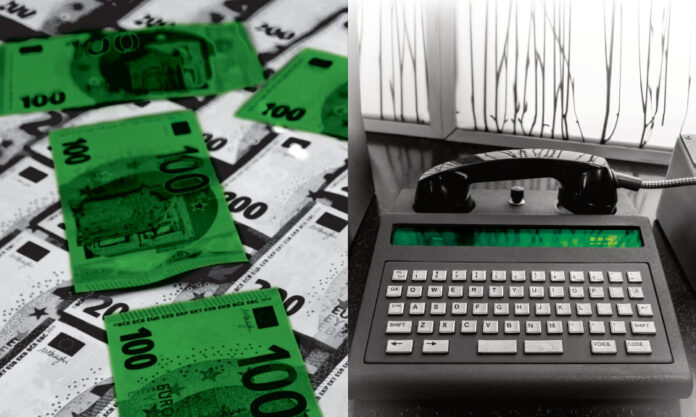
Coined by Ofer Zellermayer in his 1996 PhD dissertation at the University of Carnegie Mellon, the pain of paying has become regular dinner table conversation for behavioural economists. Neuroimaging confirms that when splashing the cash, the same areas of the brain light up as when paying for things with an electric shock (Dault, 2018).
Ofer Zellermayer在1996年卡内基梅隆大学博士论文中创造的,支付的痛苦已经成为行为经济学家的常规餐桌对话。 神经成像证实,当溅出现金时,大脑的相同区域会发光,就像用电击支付东西时一样(Dault,2018年)。
If you, like me, enjoy chasing the dopamine by purchasing stuff on Taobao, you might already instinctively know that the pain of paying is significantly reduced by not physically forking over a wad of cash. Indeed, Zellermayer’s study indicated just this; the pain of paying is significantly lower when paying by card than by gold bullion or cash.
如果你像我一样,喜欢通过在淘宝上购买东西来追逐多巴胺,你可能已经本能地知道,通过不实际支付一呆现金,付款的痛苦会大大减少。 事实上,Zellermayer的研究表明了这一点;与金条或现金相比,用卡付款的痛苦要低得多。
This “opaque” form of payment softens the edges of the cold, hard reality of parting with the guap.
这种“不透明”的支付方式软化了与瓜普分手的冷酷、坚硬的现实的边缘。
The dawn of the QR code makes the act of paying even more painless. Just point and scan and there you have it. This is known as the cashless effect. After all, your phone weighs the same after you have scanned and paid. There is no physical depletion of your pouch of coins or wallet of bills. This uncoupling is psychologically liberating, for you are what Zellermayer refers to as a “spendthrift”. It certainly did not feel as satisfying to hand over a chunk of money to the cashier upon my return to the supermarket, wallet in hand. I would have much preferred to point and scan and skip the pain of paying.
二维码的曙光让付款的行为更加无痛。 只需指向并扫描,你就有了。 这被称为无现金效应。 毕竟,在您扫描并付款后,您的手机重量是一样的。 你的硬币袋或钞票钱包没有实际耗尽。 这种解耦合在心理上是解放的,因为Zellermayer称之为“花刟儉”。 当我回到超市时,手里拿着钱包,把一大笔钱交给收银员肯定感觉不那么令人满意。 我更愿意指向和扫描,跳过付款的痛苦。
So clearly, I am not what Zellermayer colourfully refers to as a “tightwad”. Whatever pain is associated with the parting of cold, hard cash, it has become a thing of the past with the rise of the QR code.
很明显,我不是Zellermayer色彩斑斓地称之为“tightwad”的人。 无论与冷硬现金的分手相关的痛苦是什么,随着二维码的兴起,它已经成为过去。
What began as a means to avoid horrid, yucky germs has in fact, become one of the smartest, most unintended boosts to the post-COVID economy.
最初是避免可怕、恶心的细菌的手段,实际上已经成为对后新冠肺炎经济最聪明、最意外的推动之一。
By hijacking the neural synapsis that makes us wince when paying for bits and bobs, the QR code has unwittingly unleashed our inner spendthrifts.
通过劫持神经突触,让我们在为零碎的东西付钱时畏畏,二维码无意中释放了我们内心的挥霍。
Blessings and applause then, for the little box of squares that allows us to speak nicely to waiters, and them to speak nicely to us. Gratitude for eliminating the shocking torment of emptying the coffers for every single transaction. QR codes might make us poorer, but they allow us to still identify as rich.
祝福和掌声,因为这个小方块盒子让我们可以和服务员好好说话,他们也可以和我们好好说话。 感谢消除每笔交易清空库房的令人震惊的折磨。 二维码可能会让我们更穷,但它们可以让我们仍然被认定为富人。