






My dog dreams. I watch him, micro spasms of muscle power him through heroic dog epics of the ectoplasm of consciousness, barking at dream squirrels in dream trees. I also dream, but these bubbles of subliminal thought vanish at the first auditory intrusion of the conscious world; the alarm clock. Oh, how I abhor thee. The siren sends my dreams scuttling back into the darkness, their wisdom between their legs. I cannot remember my dream squirrels. The ones that do leave flashes are those which repeat themselves, like flashcards.
我的狗做梦。 我看着他,肌肉的微痉挛通过意识外质的英雄狗史诗给他力量,对着梦中的梦中的松鼠吠叫。 我也做梦,但这些潜意识思想的泡沫在意识世界的第一次听觉入侵时消失了;闹钟。 哦,我多么厌恶你。 警笛声让我的梦想沉入黑暗,他们的智慧在他们的两腿之间。 我不记得我梦中的松鼠了。 那些确实留下闪光的是那些重复的,比如抽认卡。
I dream of running, of standing on top of the highest tower built before the industrial revolution. It is swaying to and forth, I know that I will fall. I try to scream, but no sound comes from my lungs, my vocal cords deadened by fear. Always, as I hurtle towards earth, I discover that I can fly, but not like superman- one arm out ahead, guiding him. I dervish and whirl, the wind tossing me from one up current to the next. My path is unclear, but I am moving. I am safe. I am not falling.
我梦想着跑步,站在工业革命前建造的最高塔顶上。 它来回摇摆,我知道我会摔倒。 我试着尖叫,但我的肺里没有声音,我的声带被恐惧所消沉。 总是,当我冲向地球时,我发现我可以飞,但不像超人那样——一只胳膊向前,引导他。 我苦行僧和旋转,风把我从一个向上的水流扔到下一个。 我的道路不清楚,但我正在前进。 我很安全。 我没有摔倒。
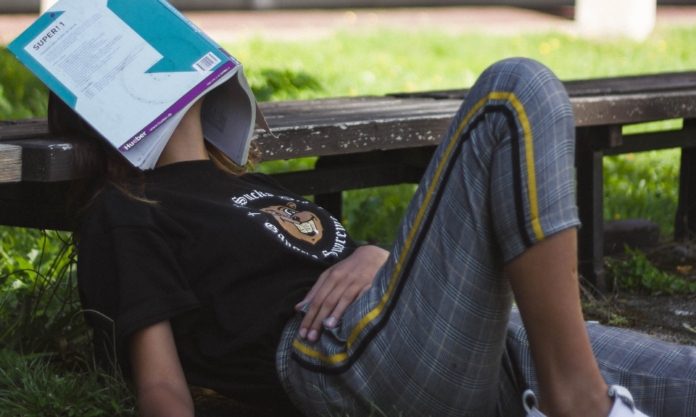
Sleep is the pitstop between daytime wakefulness and a medical coma. Although reactions to stimuli are reduced, most importantly that of vision, one of our predominant senses, the body is still alert and can respond to loud noises or other shocks to the system. Hopefully, though, a well-orchestrated night’s sleep will lead the sleeper through stages 1, 2, and 3 of the sleep cycle, before hitting the Mecca of slumber; REM sleep, the stage of Rapid Eye Movement.
睡眠是白天清醒和医疗昏迷之间的一站。 虽然对刺激的反应减少了,最重要的是视觉的反应,这是我们的主要感官之一,但身体仍然保持警觉,可以对巨大的噪音或其他对系统的冲击做出反应。 然而,希望晚上的睡眠能使睡眠者在睡眠周期的第1、第2和第3阶段,然后进入睡眠的聖地;快速眼動睡眠,即快速眼球运动的阶段。
Known as paradoxical sleep, brainwaves and eye-movement get frisky, and the body’s autopilot systems fluctuate. Those dreams of teeth, and your Grade 2 teacher’s head on the body of a kitten that can fly; those are from REM sleep. Researchers estimate that in one night, we dream for up to 2 hours. Optimal sleep augments brain activity, promotes learning and creates dreams.
被称为自相矛盾的睡眠,脑波和眼球运动变得活泼,身体的自动驾驶系统波动。 那些牙齿的梦,以及你二年级老师的头在一只会飞的小猫身上;那些来自快速眼动睡眠。 研究人员估计,在一个晚上,我们做长达2个小时的梦。 最佳睡眠可以增强大脑活动,促进学习和创造梦想。
Like Alice, surrendering to the comfort of sleep at the end of a period of wakefulness, the human body succumbs to a period of reversible, inert inactivity, as compared with wakefulness. Curiously, though now we associate this with one sleep period withing a 24-hour day, this has not always been the case. Monophasic sleep patterns are now considered “the norm”, with a 6-to-8-hour segment of rest punctuating the end of one day and the beginning of the next.
像爱丽丝一样,在清醒期结束时屈服于睡眠的舒适,与清醒相比,人体屈服于可逆的、惰性无活动期。 奇怪的是,虽然现在我们把这与一天24小时内的睡眠时间联系起来,但情况并非总是如此。 单相睡眠模式现在被认为是“常态”,6到8小时的休息时间是一天的结束和第二天的开始。
In a “normal” sleep cycle, then, the sleeper experiences four distinctive sleep stages. In Stage One, the sleeper settles into a cosy stupor, breathing slows and alpha waves transition to NREM 1. In this stage, the body may jolt rapidly, or you may experience the “GAH I’m FAAALLING” sensation that we all know and love. These starts and twitches are known as hypnagogic sensations, and disappear as the body sinks into Stage Two, when the brain activity slows, temperature drops and breathing slows. Though the grey matter still experiences bursts of brain wave activity known as sleep spindles, there is no eye movement at this stage; the Dream Weaver is busy at the spinning wheel. Stage Three, also known as Slow Wave Sleep, or Delta Sleep (not to be confused with the COVID variant) is the deep sleep phase, associated with restorative sleep, growth, immune system reinforcement, creativity, insightful thinking and improved memory.
在“正常”的睡眠周期中,睡眠者会经历四个不同的睡眠阶段。 在第一阶段,睡眠者进入舒适的昏昏状态,呼吸变慢,α波过渡到NREM 1。 在这个阶段,身体可能会迅速震动,或者你可能会体验到我们都知道和喜爱的“GAH I’m FAAALLING”的感觉。 这些开始和抽搐被称为催眠感觉,随着身体进入第二阶段而消失,当大脑活动减慢、体温下降和呼吸减慢时。 虽然灰質仍然经历被称为睡眠纺锤的脑波活动的爆发,但现阶段没有眼球运动;梦想编织者正忙于纺纱轮。 第三阶段,也称为慢波睡眠或三角洲睡眠(不要与新冠肺炎变种混淆)是深度睡眠阶段,与恢复性睡眠、生长、免疫系统强化、创造力、洞察力思维和记忆力改善有关。
All good things, no doubt, but the best is yet to come. REM sleep is the fourth stage, when paradoxically, breathing, temperature and heart rate increase. The entire body, except for the respiratory system and the eyes are rendered immobile. This sleep stage is rife with vivid dreams and is said to reenergise the mind.
毫无疑问,一切都是好事,但最好的还在未来。 快速眼動睡眠是第四阶段,矛盾的是,呼吸、体温和心率增加。 除了呼吸系统和眼睛外,整个身体都无法动弹。 这个睡眠阶段充斥着生动的梦境,据说可以重新激发心灵。
So that’s it, the sleep cycle. Rinse and repeat for a good night’s sleep.
所以就是这样,睡眠周期。 冲洗并重复,睡个好觉。
However, this monophasic trend has only been in vogue since the Industrial Revolution, with Biphasic (two sleep segments within a 24-hour period) and polyphasic (more than two, the-sky’s-the-limit sleep segments) being far more common before the dawn of the rat-race as we know it. Indeed, in the south of Europe and in many South American countries, to name but a few, biphasic sleep patterns still predominate, with the nap, or “la siesta” enshrined as a cultural phenomenon. For an example of polyphasic sleep patterns, I think of my dear city-mates working in restaurants and cafes of Nanjing, and their affinity for napping at any time, in any place. Slumped over tables, stretched along booths; one time, I saw an intrepid snoozer balanced along a length of chain between two bollards. It is impressive; no word of a lie.
然而,这种单相趋势自工业革命以来才开始流行,在我们所知道的老鼠赛跑黎明之前,双相(24小时内的两个睡眠段)和多相(超过两个,天空的极限睡眠段)更常见。 事实上,在欧洲南部和许多南美国家,仅举几例,双相睡眠模式仍然占主导地位,午睡或“la siesta”被奉为一种文化现象。 举一个多相睡眠模式的例子,我想到了我亲爱的在南京的餐馆和咖啡馆工作的城市人,以及他们对任何时间、任何地方午睡的亲和力。 瘫倒在桌子上,沿着摊位伸展;有一次,我看到一个无畏的打盹者沿着两条柱子之间的链条保持平衡。 这令人印象深刻;没有一句谎言。
So, as with so much in life, the “norm” can be destabilised by recontextualising it; reframing it so that we may reconceptualise the limited definition of “normal” that still plagues humanity, in our dreams and in our waking daymares. Specifically, this month of March celebrates Women’s History Month, with 8 March being International Women’s Day. The day and the month reclaim voice, authority and autonomy for women and girls worldwide, against whom the catalogue of crimes against humanity is too turgid and depressing to detail here. The UN prefaces its introduction to Sustainable Development Goal 5- Gender Equality with:
因此,就像生活中的许多事情一样,“规范”可以通过重新背景化来破坏稳定;重新构建它,这样我们就可以重新概念化“正常”的有限定义,该定义仍然困扰着人类,在我们的梦境和清醒的白日梦中。 具体来说,今年3月庆祝妇女历史月,3月8日是国际妇女节。 这一天和月份为全世界的妇女和女孩夺回声音、权威和自主权,针对她们的危害人类罪目录过于讷岲和压抑,无法在这里详细说明。 联合国在介绍可持续发展目标5-性别平等之前:
“More girls are going to school, fewer girls are forced into early marriage, more women are serving in parliament and positions of leadership, and laws are being reformed to advance gender equality. Despite these gains, many challenges remain: discriminatory laws and social norms remain pervasive, women continue to be underrepresented at all levels of political leadership, and 1 in 5 women and girls between the ages of 15 and 49 report experiencing physical or sexual violence by an intimate partner within a 12-month period.”
“越来越多的女孩上学,被迫早婚的女孩越来越少,越来越多的妇女在议会和领导岗位上任职,法律正在改革,以促进性别平等。 尽管取得了这些成果,但许多挑战仍然存在:歧视性法律和社会规范仍然普遍存在,妇女在各级政治领导层中的代表性仍然不足,每5个15至49岁的妇女和女孩中就有1个报告说,在12个月内遭受过亲密伴侣的身体或性暴力。”
I think about my dreams of running, breathless, empty, powered by pure, cold fear. I think about my dreams of screaming, a silent, impotent scream. I think; yes, these are dreams. The nightmares are too scary to share.
我想到了我奔跑的梦想,气喘吁吁,空虚,由纯粹、冷酷的恐惧驱动。 我想到了我尖叫的梦,一个沉默的、无能的尖叫。 我想;是的,这些是梦。 噩梦太可怕了,无法分享。
As human beings, and perhaps as earthlings, we all have dreams. Martin Luther King had one. Malala Yousafzai has one.
作为人类,也许作为地球人,我们都有梦想。 马丁·路德·金有一个。 Malala Yousafzai有一个。
You have one. I have one.
你有一个。 我有一个。
The neural impulses behind the dreams that leave a trace in the waking world do so because of repetition, because of the epiphanous quality of the revelations therein, or the persistent need for the subconscious to be heard above the din of daily norms and customs.
在清醒世界中留下痕迹的梦境背后的神经冲动是因为重复,因为其中启示的顿悟性,或者持续需要潜意识在日常规范和习俗的喧嚹之上被听到。
This Women’s History Month of 2022, perhaps like G.B. Shaw, we can close the month by thinking, “You see things, and you say, ‘Why?’ But I dream things and say ‘Why not?’”
2022年的妇女历史月,也许像G.B. Shaw一样,我们可以通过思考来结束这个月,“你看到事物,你会说,’为什么?’ 但我梦见事情,说’为什么不呢?’”
Why not?
为什么不呢?