






Sun Quan ordered furnaces built at Tieshan in 226 AD to forge weapons for his fledgling kingdom, tapping ore deposits so rich that miners kept returning to the same hills on and off for the next seventeen centuries, using methods his blacksmiths never imagined.
公元二二六年,孙权下令在铁山建造炉窑,为其新立的政权铸造兵器,此地矿藏之丰富,以至于此后十七个世纪间,矿工们断断续续始终未曾离开这片山地,所用的方法,早已是这些铁匠们无法想象的。
Long before Sun Quan arrived, though, people were already digging here. At Tonglushan, southwest of the modern city, archaeologists uncovered a copper mine and smelting complex dating back some 3,000 years to the Western Zhou dynasty, its shafts and galleries worked continuously for over a millennium; more than 400,000 tonnes of ancient smelting slag still cover the site.
不过,早在孙权来此之前,人们便已在此开采。在现代城区西南的铜绿山,考古学家发现了一处距今约三千年的西周时期铜矿与冶炼遗址,其矿井与坑道历经一千多年持续开采;时至今日,这处遗址仍覆盖着逾四十万吨的古代冶炼炉渣。
Daye’s own iron mine, worked on and off since the Tang dynasty, became part of something far larger in 1908, when it was folded into the Hanyeping Iron and Coal Company alongside the Hanyang Ironworks, an enterprise with roots in the reform programme of the late Qing official Zhang Zhidong; the resulting conglomerate was for a time the largest iron and steel producer in Asia. According to Huangshi National Mine Park’s own account of its history, the Daye mine’s eastern pit has since carved out what the park describes as the world’s first slope of this height and steepness, dropping 444 metres.
大冶铁矿自唐代起便断续开采,直至一九零八年,与汉阳铁厂一同并入汉冶萍煤铁公司——这家企业的渊源,可追溯至晚清官员张之洞推行的洋务改革;这一联合企业一度是亚洲规模最大的钢铁生产商。据黄石国家矿山公园对自身历史的介绍,大冶铁矿东部露天矿坑,由此形成了该园所称的、落差达四百四十四米的世界同类矿坑之最。

A Mine Turned into a Park, Craters and All
一座矿坑变身而成的公园
Since 2006, the Daye pit and the Tonglushan site have together formed Huangshi National Mine Park, laid out as what its founding documents call “one park, two areas”; it was China’s first park of its kind, covering some 23 square kilometres and listed among the country’s first batch of protected industrial heritage sites in 2018. Visitors walk rim trails overlooking the open pit itself, a scale of excavation that took more than a century of mining to produce.
自二零零六年起,大冶矿坑与铜绿山遗址便共同构成了黄石国家矿山公园,其成立之初的文件将其定位为”一园两区”;这是中国首座此类主题公园,占地约二十三平方公里,并于二零一八年入选首批国家工业遗产名录。游客可沿矿坑边缘步道行走,俯瞰这座历经一个多世纪持续开采才形成的巨大矿坑。
Huangshi’s GDP reached ¥230.6 billion in 2024, up 7.1 percent on the previous year, the fastest growth rate of any city in Hubei that year; regulated industrial output grew 12.6 percent, the second-fastest in the province. The city’s permanent population stood at 2.4353 million at the end of 2024, continuing a slow decline from the 2.444 million recorded three years earlier.
黄石市二零二四年GDP达二千三百零五点八亿元,同比增长百分之七点一,增速位居湖北全省第一;规上工业增加值增长百分之十二点六,增速全省第二。截至二零二四年底,该市常住人口为二百四十三点五三万人,较三年前的二百四十四点四万人,仍延续着缓慢下降的趋势。
A Train You Board like a Subway, between Four Cities
一列像地铁一样刷码乘坐、串联四座城市的列车
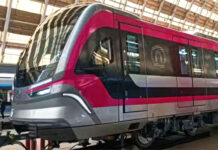
Getting to Huangshi from Wuhan takes under an hour on the intercity railway that has run through Ezhou and Daye since 2014; from January 2024, that line and its counterpart to Huanggang began operating on a new commuter footing, branded the New City Express, with its own turnstiles and QR-code boarding rather than assigned seats or tickets bought in advance. The trains themselves are newly built, using intelligently assisted driving and digital twin technology, and carry up to 711 passengers at fares starting from ¥17.
从武汉前往黄石,乘坐自二零一四年起途经鄂州、大冶的城际铁路,车程不到一小时;自二零二四年一月起,这条线路及其通往黄冈的姊妹线路,开始以全新的公交化模式运营,命名为”新城快线”,设有专用闸机与二维码扫码进站方式,无需提前购票或对号入座。列车本身为新型车辆,采用智能辅助驾驶与数字孪生技术,单趟最大载客量达七百一十一人,票价最低仅十七元。
The Yangtze River remains the older route in and out, with Huangshi’s port still handling barge traffic bound for the steel mills and smelters that line the riverbank today.
长江本身仍是进出这座城市更为古老的通道,黄石港口至今仍承载着驳船往来运输,货物直抵沿江分布的炼钢厂与冶炼厂。
The furnaces Sun Quan ordered built at Tieshan are long gone, but the mine park now standing over that same ground draws visitors for a very different reason than the one that first brought miners here.
孙权当年下令在铁山建造的炉窑早已不复存在,但如今矗立在同一片土地上的矿山公园,吸引游客到访的理由,已与当初吸引矿工来此的原因截然不同。