



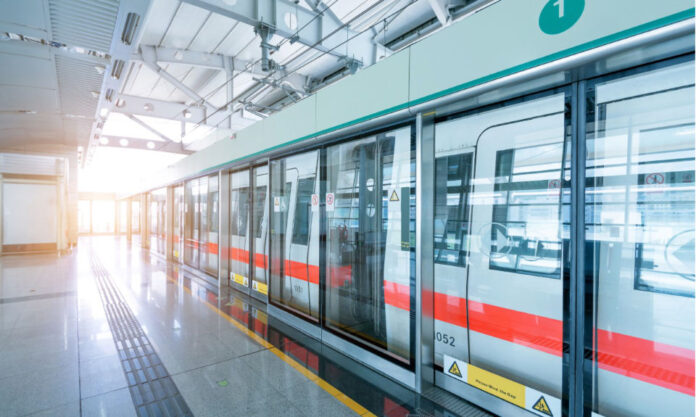



Commuters across Shanghai are to see a fare structure tested for the first time in over two decades. On 29 July 2026, the city’s Development & Reform Commission announced a public hearing for 7 September, to reopening pricing that has not changed since 2005.
上海的通勤者即将见证一套票价体系二十多年来第一次真正接受检验。2026年7月29日,上海市发展改革委发布公告,宣布将于9月7日召开听证会,重新审视这套自2005年沿用至今的票价规则。
The formula is simple and familiar; six kilometres costs ¥2, then every additional ten kilometres adds ¥1. Guangzhou, Beijing and Shenzhen have each revised their own fare systems over the years. Shanghai has not touched its since it first appeared.
这套公式简单又熟悉;6公里内2元,之后每增加10公里加1元。广州、北京和深圳这些年都各自调整过票价体系,上海却一直没动过这套规则。
Twenty-three people will sit on the hearing panel. According to Southern Weekly, twelve of them are consumer representatives, alongside a city people’s congress deputy, a CPPCC member, transport and finance officials, and representatives from Jiushi Group and Shentong Metro. The hearing will not raise fares on its own; it will simply test whether the arrangement can still hold.
听证会小组共23人。据《南方周末》报道,其中12人是消费者代表,另有市人大代表、市政协委员、交通和财政部门官员,以及久事集团和申通地铁集团的代表参加。听证会本身不会直接涨价,它更像一次检验,看这套安排还能不能继续维持下去。


Why the sums no longer add up
为何这笔账已经算不过来
The pressure is financial before it is political. Shanghai Metro’s loss per rider was around ¥2.5 in 2017; by 2025 that figure had doubled to ¥5. Beijing’s metro operator carries a different burden. Its interest payments reached ¥14.9 billion in 2025, against annual operating revenue of ¥18.8 billion at parent company Beijing Investment.
压力首先来自财务,而不是政策本身。上海地铁2017年每人次亏损约2.5元;到2025年,这个数字已经翻倍到5元。北京地铁面对的是另一种压力。2025年,北京地铁母公司京投公司的利息支出达到149亿元,而其年营业收入为188亿元。
Nationwide ridership has also cooled. Average passenger density across China’s metro systems fell 4.59 percent year on year in 2025. Shanghai still carried 3.716 billion passengers, a scale few cities can match, yet even that network felt the slowdown. Beijing’s numbers slipped too. Guangzhou has fared better, helped by a stronger passenger recovery that has narrowed its losses.
全国客流也在降温。2025年,全国地铁平均客流密度同比下降4.59%。上海去年运送乘客37.16亿人次,规模仍是全国罕有的,但即便如此,这张网络也没能躲开下行趋势。北京的客流数字同样出现回落。广州情况相对好一些,客流恢复带动亏损明显收窄。
Built for cheap, dense and reliable
为便宜、密集、可靠而生的系统
Shanghai is not just weighing a fare table; it is weighing what it costs to keep a huge system cheap, dense and reliable at once. Government subsidies, special bonds and other support have cushioned the losses over the past five years, but they have not solved them.
上海权衡的不只是一张票价表,而是维持一套庞大系统同时做到便宜、密集、可靠所需要付出的成本。过去五年,财政补贴、专项债和各类支持确实缓冲了亏损,但并没有真正解决问题。


Fare rises, if they come, will matter less for the extra coins involved than for what they end. Twenty-one years of frozen pricing is a long time for any city to hold a single number steady, and Shanghai has been the last major metro system in China still doing it.
如果票价真的上涨,重要的并不是多花几个硬币,而是这段静止终于被打破。二十一年不动一个数字,对任何城市来说都是很长的时间,而上海是全国最后一个还在坚持这套老票价的大城市地铁系统。
The hearing on 7 September will not settle the matter by itself. But for a fare structure that Shanghai riders have known since 2005, even a hearing marks the end of a very long pause.
9月7日的听证会不会一次性解决所有问题。但对于上海乘客从2005年就熟悉的这套票价体系来说,哪怕只是一场听证会,也标志着这段漫长的静止终于走到了尽头。