





Indonesia is not buying glamour; it is buying a way out of its rubbish jam. On 13 July, Danantara announced the second round of its waste-to-energy tender, and Chinese firms again turned up at the front of the queue.
印尼买的不是光鲜,而是一条走出垃圾困局的路。7月13日,Danantara公布了第二轮垃圾发电招标结果,中国企业又一次排在了队伍前面。
The report says eight project zones were on offer and six of them involved Chinese environmental companies. Kangheng Environment won the Lampung and Surabaya zones; China Everbright Environment, Gaoneng Environment, Chengfa Environment, and TEDA Environmental with CITIC Construction International Investment each won one zone. Two other zones went to French companies.
报道称,这一轮共有8个片区,其中6个涉及中国环保企业。康恒环境拿下楠榜和泗水两大片区;光大环境、高能环境、城发环境,以及泰达环保与中信建设国际投资各拿下一个片区;另外两个片区则归了法国企业。
This is not coming out of nowhere. In the first round, 20 of the 24 shortlisted bidders were Chinese, and Bali’s waste-to-energy project started on 8 July, just four months after the tender ended. Danantara says the selection was objective and based on long-term readiness, but the speed itself tells you how urgent the problem has become.
这不是凭空冒出来的。首轮招标里,24家入围企业有20家来自中国;巴厘岛垃圾发电项目又在7月8日开工,距离招标结束只有4个月。Danantara说,筛选过程是客观的,看的是长期执行能力,但这个速度本身就说明问题已经急到什么程度了。
A Big Market with an Ugly Problem
一个大市场,一团烂摊子
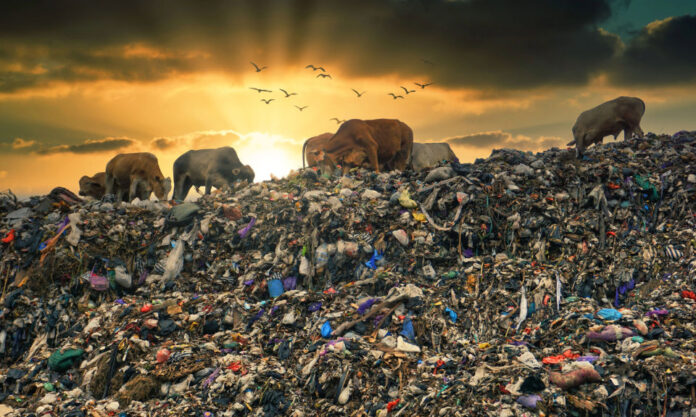
Indonesia produces about 70 million tonnes of waste a year, and much of it still ends up in landfill or open dumps. Jakarta’s Bantar Gebang site has become a mountain in its own right; estimates put it at no less than 45 million tonnes. In March, heavy rain triggered a landslide there that killed 17 people. Bali’s rubbish problem is so visible that President Prabowo has publicly complained about the island’s image.
印尼每年产生约7000万吨垃圾,而相当一部分仍然进入填埋场或露天堆放点。雅加达郊外的班塔格邦填埋场已经长成了一座真正的山;有估算称那里至少堆了4500万吨垃圾。3月,暴雨引发滑坡,造成17人死亡。巴厘岛的垃圾问题也已经明显到足以让普拉博沃总统公开抱怨这座岛屿的形象。

That is the first reason the tender matters. The second is less tidy. Waste-to-energy is sold as a clean fix, but it locks a city into long contracts, a steady feed of rubbish and a lot of trust in the operator. Danantara’s terms are generous on paper; 30-year power deals, a fixed 0.2 US dollars per kilowatt hour, free land and guaranteed waste supply. Useful, yes. Risk-free, no.
这就是这轮招标重要的第一个原因。第二个原因就没那么好看了。垃圾发电常被包装成“干净解法”,可它会把城市锁进长期合同、持续垃圾供应和对运营方的大量信任里。Danantara给出的条件纸面上很诱人;30年长期购电合同、每千瓦时0.2美元的固定电价、免费供地和保障垃圾供应。确实有吸引力,但绝不是零风险。
Why Chinese Firms Fit the Job
中国企业为什么合适
Chinese companies have an edge because the work fits what they already know. China spent decades learning how to burn wet municipal waste more reliably, first by adding straw to help ignition and later by building a full domestic chain from equipment manufacturing to construction and operations. Indonesia’s waste stream is wet too, with plenty of kitchen waste and a lot of the same engineering headaches.
中国企业占优,是因为这活儿正好对口。中国花了几十年才把湿垃圾焚烧摸得更稳,先是加秸秆助燃,后来又做出了从设备制造到工程建设、再到运营维护的完整产业链。印尼的垃圾也很湿,厨余占比高,工程难点和中国有不少相似之处。
The domestic market has also pushed Chinese firms outward. At home, some waste-to-energy plants are already so full of capacity that they have too little rubbish left to burn. That sounds like a success story, until it is not. When the feedstock is thin, firms look overseas. Southeast Asia, with its fast urban growth and worsening waste crisis, is the nearest obvious frontier.
国内市场也在把中国企业往外推。中国一些垃圾焚烧厂已经建到产能过剩,反而出现垃圾不够烧的情况。听上去像成功故事,真到了这一步,又不完全是。当燃料源越来越薄,企业自然会看向海外。东南亚城市化快、垃圾危机又重,成了最直接的前线。


China is already building that export record. Waste-to-energy projects linked to Chinese firms are already operating or under construction in places such as Vietnam, Kazakhstan, Baghdad and Addis Ababa. The pattern is clear enough; where waste piles up and budgets are thin, Chinese engineering keeps showing up.
中国已经在积累这种出口记录。与中国企业相关的垃圾发电项目,已经在越南、哈萨克斯坦、巴格达和亚的斯亚贝巴等地投运或建设中。模式很清楚;只要垃圾越堆越高、预算又不够宽松,中国工程就会不断出现在那里。
And yet there is a catch. Incineration is not magic. It can raise worries about emissions, ash disposal, contract lock-in and whether a city will keep improving recycling once a plant needs a steady waste supply. That is the real tension here. Indonesia wants rubbish gone; investors want certainty; local communities may want cleaner streets without being tied to a furnace for 30 years.
但这里面有一个绕不开的结。焚烧并不是魔法。它会带来排放、炉渣处置、合同锁定,以及城市在焚烧厂需要稳定垃圾来源后,还会不会继续推进回收的问题。这才是真正的拉扯。印尼想把垃圾尽快清掉;投资者要的是确定性;当地社区则可能想要更干净的街道,而不是被一座炉子绑上30年。
So the headline is really about more than landfill. It is about who gets to sell the tools of urban clean-up to countries that are running out of patience. For now, China is winning plenty of those bids. The harder question is what happens when the first contracts age, the rubbish still keeps coming, and the promises need to be paid for.
所以,这个标题讲的其实不只是填埋场。它讲的是,当越来越多国家对垃圾问题失去耐心时,谁来卖出城市清理所需要的工具。目前,中国企业确实在赢下不少标的。但更难的问题是,第一批合同到期时会怎样,垃圾是否还会继续增长,而这些承诺又该由谁来买单。