



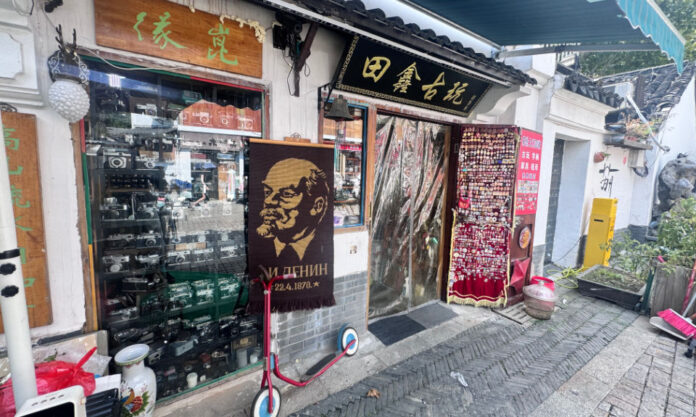



Moscow accents are being heard more in China’s airports, hotel lobbies and trade fairs. Some belong to tourists with short videos to make. Others to people chasing work in a relationship that has become commercial, strategic and hard to ignore.
在中国的机场、酒店大堂和展会上,莫斯科口音正变得更常见。有些来自拍短视频的游客,有些来自寻找工作机会的人。而他们背后,是一段越来越商业化、战略化,也越来越难忽视的关系。
The clearest number comes from China’s own diplomatic reporting. In 2024, the Chinese mainland received 1.5035 million Russian inbound tourists, up 115.1 percent year-on-year. Chinese mainland residents also made 1.0394 million first-stop tourist trips to Russia, up 209.3 percent.
最清楚的数字来自中国外交系统。2024年,中国内地接待俄罗斯入境游客150.35万人次,同比增长115.1 percent。中国内地居民首站赴俄罗斯旅游也达到103.94万人次,同比增长209.3 percent。
According to the Ministry of Culture and Tourism, China received 131.902 million inbound visitors in 2024, including 26.94 million foreign visitors, up 95.5 percent. Russia is therefore part of a wider recovery, but it is also more than that.
据文化和旅游部数据,2024年中国入境游客达1.31902亿人次,其中外国游客2694万人次,同比增长95.5 percent。俄罗斯游客的增长是入境旅游复苏的一部分,但又不只是复苏这么简单。
Tourism is Back, but Russia has Extra Momentum
旅游回来了,俄罗斯还有额外推力
Visa policy has helped. China’s transit visa-free stay was extended to 240 hours for eligible travellers from 54 countries, including Russia. Shanghai saw the effect quickly after China began visa-free entry for holders of Russian ordinary passports from 15 September 2025 to 14 September 2026; Russian visits there passed 50,000 in November alone, up more than 70 percent.
签证政策起到了推动作用。中国把包括俄罗斯在内的54国符合条件旅客过境免签停留时间延长至240小时。2025年9月15日至2026年9月14日,中国对俄罗斯普通护照持有人试行免签后,上海很快看到效果;仅11月,俄罗斯游客到访量就超过5万人次,同比增长超过70 percent。
Work is harder to count, but easier to explain. China-Russia trade reached a record US$244.8 billion in 2024, before easing to US$228.11 billion in 2025 while still remaining above US$200 billion for a third straight year. Cars, machinery, logistics, energy, e-commerce and cross-border services all need language help.
工作人群更难统计,却更容易解释。2024年中俄贸易额创下US$244.8 billion纪录,2025年回落至US$228.11 billion,但仍连续第三年超过US$200 billion。汽车、机械、物流、能源、电商和跨境服务,都需要语言与市场人才。
That does not mean Chinese companies are employing Russians by the tens of thousands in China. The public data is thin. What can be seen is demand for Russian speakers in foreign trade, project management, sales and logistics. Chinese firms expanding into Russia want staff who can handle clients, contracts, payment headaches and local habits.
这并不意味着中国企业正在中国境内大规模雇用数以万计的俄罗斯人。公开数据并不充分。可以看见的是,外贸、项目管理、销售和物流领域对俄语人才的需求上升。进入俄罗斯市场的中国企业,需要能处理客户、合同、付款难题和当地习惯的人。
Old Western Crowds Are Thinner Now
旧日西方人群如今变稀了
The contrast with China’s pre-COVID foreign map is striking. In Shanghai in 2019, American, German and Australian residents were among the city’s visible foreign communities, with academic research listing 23,602 from the United States, 6,893 from Germany and 5,420 from Australia. Russians numbered only 1,150.
这与疫情前中国的外国人版图形成鲜明对比。2019年的上海,美国、德国和澳大利亚居民都是相当显眼的外籍群体。相关学术研究列出,当时上海有美国居民23602人、德国居民6893人、澳大利亚居民5420人,而俄罗斯居民只有1150人。
Those older groups have not vanished. Beijing’s first three quarters of 2024 still put the United States first among source countries, followed by Russia, Japan and Germany. Shanghai’s 2025 data also showed Japan and the United States near the top. But long-stay Western business communities feel smaller than they did.
这些群体并没有消失。北京2024年前三季度的主要客源国中,美国仍排第一,之后是俄罗斯、日本和德国。上海2025年的数据也显示,日本和美国仍位居前列。但长期居住的西方商务群体,确实比过去显得更小。
The reasons are not mysterious. COVID broke habits. Some companies moved regional roles to Singapore, Tokyo or Dubai. Political tension made China postings harder to sell internally. Schools, flights, compliance rules and boardroom caution did the rest. Germans, Americans and Australians still come; fewer seem to arrive assuming they will stay for years.
原因并不神秘。疫情打断了生活和商务习惯。一些公司把区域岗位转到新加坡、东京或迪拜。政治紧张让中国派驻在企业内部更难推动。国际学校、航班、合规压力和董事会的谨慎心态,又进一步改变了选择。德国人、美国人和澳大利亚人仍会来;但更少人一来就默认会住很多年。
The geopolitical point is impossible to avoid. Western sanctions pushed Russia eastwards, while China gained a market for cars, electronics and industrial goods. Russian visitors in China are therefore not only tourists with suitcases. They are also a sign of where money, movement and political gravity have shifted.
地缘政治因素无法回避。西方制裁把俄罗斯推向东方,中国则获得了汽车、电子产品和工业品市场。因此,在中国出现的俄罗斯人不只是拖着行李箱的游客。他们也是资金、人员流动和政治重心变化的一个信号。
China’s foreign streetscape is changing again. The older Western crowd has not been replaced outright, and Russia is not suddenly everywhere. But the direction is visible. More Russian voices are entering the room, and China is making room for them.
中国街头的外国人构成正在再次变化。旧日西方人群并没有被完全取代,俄罗斯人也不是突然无处不在。但方向已经看得见。更多俄罗斯声音正在进入这个空间,而中国也正在为他们腾出位置。