



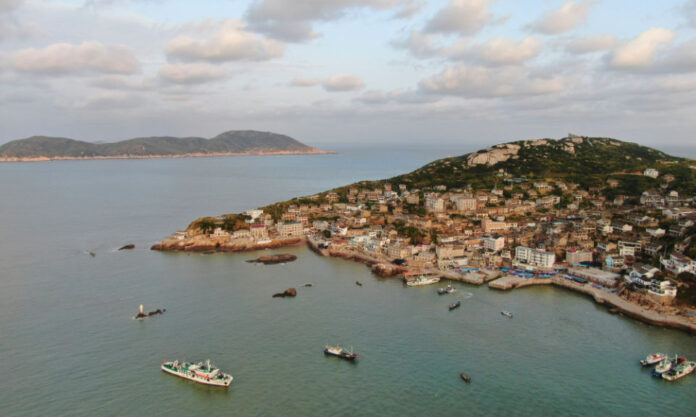



Far off the Zhejiang coast, Zhoushan feels less like a single city than a working archipelago. Sea, shipping and salt air shape everything here; from the fishing docks to the temples on Putuo Mountain, the islands are still doing the heavy lifting.
远离浙江海岸的舟山,看起来更像一座运转中的群岛,而不是一座单独的城市。海洋、航运和咸湿的海风塑造着这里的一切;从渔港到普陀山上的寺院,这些岛屿至今仍在承担主要的城市功能。
Its geography explains much of the mood. Zhoushan is the only prefecture-level city in China made up entirely of islands, and its landscape has trained the city to think in routes, tides and crossings. That habit still matters today, because a place built on movement has to be good at movement.
它的地理位置解释了大部分气质。舟山是中国唯一完全由岛屿组成的地级市,这种地貌也训练了这座城市用航线、潮汐和跨海通道来思考问题。今天这一点依然重要,因为一座靠流动而生的城市,本来就必须擅长流动。
According to Chinese reference material on Zhoushan, the archipelago has long been defined by port trade, fishing and maritime access; local tourism pages also place Putuo Mountain at the centre of the city’s spiritual identity. That combination is unusually neat. Zhoushan is both a working seaboard and a pilgrimage landscape.
根据有关舟山的中文资料,这片群岛长期由港口贸易、渔业和海上通达共同定义;地方旅游资料则把普陀山放在城市精神版图的中心。这样的组合相当少见。舟山既是一处繁忙的海岸作业区,也是一片朝圣之地。


Ports, Temples and a City of Tides
港口、寺院与一座潮汐之城
Zhoushan’s biggest economic card is still the port. Ningbo-Zhoushan Port has become one of the most important shipping hubs in the world; Chinese port figures for 2023 put cargo throughput at 1.324 billion tonnes and container throughput at 35.3 million TEU. Those numbers are not decorative. They explain why this island city matters to a country that moves so much of its trade by sea.
舟山最重要的经济名片,仍然是港口。宁波舟山港已经成长为世界级航运枢纽;中国港口系统公布的2023年数据将其货物吞吐量列为13.24亿吨,集装箱吞吐量为3530万标箱。这些数字不是摆设,它们说明了为什么这座群岛城市对一个主要依赖海运的国家如此重要。
Fishing remains part of the story too, even as the city has widened into ship repair, marine equipment, green petrochemicals and coastal logistics. Zhoushan’s economy is not one-note. It is an island economy that has learned to stack industries on top of one another without losing its maritime base.
渔业也仍然是故事的一部分,尽管这座城市已经扩展到船舶修造、海洋装备、绿色石化和临港物流。舟山的经济并不是单一结构,而是一种在不丢掉海洋底盘的前提下,不断叠加产业的群岛型经济。
Then there is Putuo Mountain, the city’s best-known cultural and religious landmark. It is one of China’s four sacred Buddhist mountains and the only one set on the sea. The island gives Zhoushan a second identity altogether; not just a port city, but a place of incense, temple bells and pilgrimage traffic.
还有普陀山,这是舟山最知名的文化与宗教地标。它是中国四大佛教名山之一,也是唯一一座坐落于海上的佛教圣地。这座岛屿给舟山带来了完全不同的第二种身份;它不只是港口城市,也是香火、钟声和朝圣人流汇聚的地方。



Bridges, Islands and the Work of Connection
桥梁、岛屿与连接的功夫
The modern city now depends on engineering as much as on tides. Cross-sea bridges such as the Xihoumen and Jintang links have changed how Zhoushan connects to the mainland; Zhoushan Putuoshan Airport gives it air access as well. There is still no conventional railway station here, which makes the bridges, ferries and airport even more important.
现代舟山如今对工程的依赖,几乎不亚于对潮汐的依赖。西堠门大桥、金塘大桥等跨海桥梁,已经改变了舟山与大陆的连接方式;舟山普陀山机场则补上了航空通道。这里至今还没有普通铁路客运站,因此桥梁、轮渡和机场的重要性就更加突出。
That lack of rail is not a weakness so much as a reminder of the city’s real shape. Zhoushan still behaves like an archipelago, because it is one. Movement here is never abstract; every journey has to be earned, planned and timed against water, weather and distance.
缺少铁路与其说是短板,不如说是提醒人们这座城市真实的样子。舟山始终像一座群岛,因为它本来就是群岛。这里的移动从来都不是抽象概念;每一次出行都要计算、安排,并与水情、天气和距离打交道。
That is why Zhoushan feels so specific. It is not trying to pretend that sea and city are separate things. The sea is the road, the port is the workplace and the island is the address. Zhoushan, in other words, is a place that has turned geography into routine.
这正是舟山的特别之处。它并不假装海洋和城市是两回事。海就是路,港就是工作场所,岛就是门牌。换句话说,舟山已经把地理,变成了日常。
Zhoushan is served by Zhoushan Putuoshan Airport, cross-sea bridges and ferry routes; in a city made of islands, those links are not extras but the city itself. That is Zhoushan in one sentence: a place where the sea is not scenery, but infrastructure.
舟山由舟山普陀山机场、跨海大桥和轮渡航线共同服务;在这样一座由岛屿组成的城市里,这些通道不是附加项,而就是城市本身。用一句话说,舟山的海不是风景,而是基础设施。