



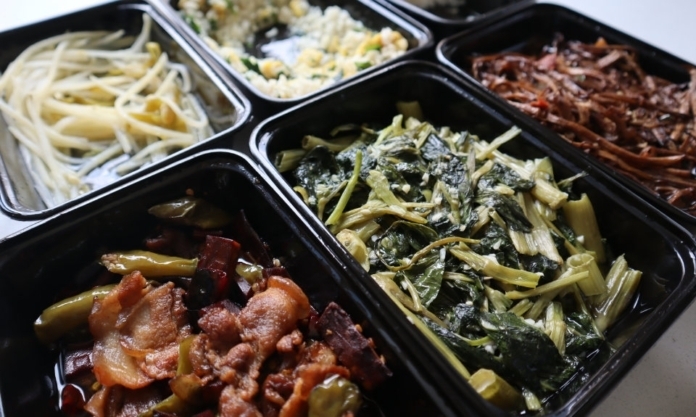



Easy, isn’t it? To imagine chefs in a restaurant just down the street using all their skills to wash, chop and cook everything you’ve just ordered in the shortest possible time. In actual fact, they may have only warmed up something made a month ago.
很容易,不是吗?想象一下,街边一家餐馆的厨师们运用他们所有的技能,在最短的时间内清洗、切碎和烹饪你刚点的所有东西。事实上,他们可能只是预热了一个月前制作的东西。
Investigative journalism in China has recently revealed the shocking extent to which much takeout food in the nation is not cooked to order, but instead prefabricated, preprepared and just warmed up on demand immediately prior to delivery.
中国的新闻调查最近揭露了令人震惊的情况,中国的许多外卖食品并不是现点现做的,而是预制的、准备好的,并在送货前按需加热。
Data released by business analysts, Tianyancha, shows that there are more than 66,000 enterprises in China registered in the field of prefabricated meals. Among them are more than 1,020 which were registered this year, during the 6 months to 30 June, representing a growth rate of 42.7 percent.
天眼查商业分析师发布的数据显示,中国预制餐领域注册企业超过6.6万家。其中,今年截至6月30日的6个月内登记的数量超过1,020个,增长率为42.7%。
We often wonder how our takeout meals can be so cheap, but it’s an enormous market. In 2021, the scale of China’s prefabricated-meals market exceeded ¥300 billion, while annual growth of 20-30 percent is forecast through 2026.
我们经常想知道我们的外卖怎么能这么便宜,但这是一个巨大的市场。 2021年,中国预制餐市场规模将超过3000亿元,预计到2026年年增长率将达到20-30%。
In February of this year, the Jiangsu Consumer Protection Commission released its “Survey Report on the Consumption of Prefabricated Meals”. The Survey pointed out some of the industry’s many failings, particularly the quality of prefabricated meals, their taste and the identification of ingredients used therein. Among consumers polled for the Survey, 62.32 percent said the taste of prefabricated meals is only average, reports The Paper.
今年2月,江苏省消保委发布了《预制餐消费情况调查报告》。调查指出了该行业的一些缺陷,特别是预制餐的质量、口味以及所用成分的识别。据澎湃新闻报道,接受调查的消费者中,62.32%的人表示预制餐的味道一般。
The taste may not be satisfactory, but with their advantages of convenience and speed, prefabricated dishes are becoming more and more popular as canteen lunches for business. Some have even stated publicly that 95 percent of the dishes served in their canteens have been prefabricated.
味道或许不尽如人意,但预制菜以其方便、快捷的优势,作为商务食堂午餐越来越受欢迎。有的甚至公开表示,他们的食堂95%的菜品都是预制的。
More shockingly, the issue extends beyond the canteen and delivery markets. Industry insiders have also revealed to journalists that we are often not served freshly-made dishes even when dining out in person.
更令人震惊的是,这个问题不仅仅局限于食堂和外卖市场。业内人士也向记者透露,即使我们亲自外出就餐,也经常没有新鲜出炉的菜肴。
In fact, as much as 60 percent of Chinese restaurant fare is estimated to be prefabricated, while the phenomenon is especially prevalent in small-scale chains and home-style restaurants.
事实上,据估计,多达 60% 的中餐馆食物都是预制的,而这种现象在小型连锁店和家庭式餐馆中尤其普遍。
Chen Yinjiang is Deputy Secretary General of the Consumer Rights & Interest Protection Law Research Association of the Chinese Law Society. Speaking with China News Finance, Chen voiced the belief that consumers have the right to know whether dishes have been cooked on site and/or are appropriately fresh. Infringing on this could constitute a violation of consumers’ right to know and choose.
陈银江,中国法学会消费者权益保护法研究会副秘书长。陈在接受中新财经采访时表示,消费者有权知道菜肴是否现场烹饪和/或是否新鲜。侵犯这一权利可能构成对消费者知情权和选择权的侵犯。
Or as one consumer more plainly put it, “If I eat in a restaurant and I know it’s prefabricated, I may not eat it. Maybe it was made a month ago. But if I hadn’t been told, I might have eaten it”.
或者正如一位消费者更直白地说的那样,“如果我在餐馆吃饭,并且我知道它是预制的,我可能不会吃它。也许它是一个月前做的。但如果我没有被告知,我可能会吃它”。