






Ten years ago, my daughter was born in the early morning of a cold and dark November. I was quietly confident. I had been mothering for 15 months by then; I was cured of frights, like the saying goes.
十年前,我女儿在寒冷黑暗的11月的清晨出生。 我悄悄地充满信心。 那时我已经做母亲15个月了;俗话说,我已经摆脱了恐惧。
Ha! Turns out, I knew nothing. I was the Jon Snow of parenthood, a fool at the gates of the new world. Nobody and nothing has schooled me in the meaning of life like raising Child 1 and Child 2. Assumptions about love, education, identity and the self were shredded and used to compost acceptance and open-mindedness. Indeed, on our decade-plus tour of life together, suppositions and presumptions have fallen much the same as the cast of Game of Thrones, especially those around the concept of gender.
哈! 事实证明,我什么都不知道。 我是父母的乔恩·斯诺,一个处于新世界大门的傻瓜。 没有人和任何东西能像抚养孩子1和孩子2那样教育我人生的意义。 关于爱情、教育、身份和自我的假设被粉碎,并被用来堆肥接受和开放的心态。 事实上,在我们十多年的共同生活之旅中,假设和假设与《权力的游戏》的演员一样,特别是那些围绕性别概念的假设和假设。
Gender. It’s all the rage lately to discuss it, debate it, downright celebrate it.
性别。 最近,讨论它、辩论它、彻头彻尾地庆祝它,这很流行。
The word ‘gender’ can be traced back to 1882 when it first entered The Oxford Etymological Dictionary, defined as: “kind, breed, sex, derived from the Latin ablative case of genus, like genere natus, which refers to birth”.
“性别”一词可以追溯到1882年,当时它首次进入《牛津词源词典》,定义为:“种类、品种、性别,源自拉丁语属的消格,如genere natus,指的是出生”。
And that is pretty much how it has been used since then; to refer to the biological sex of a species or the genus of a word in a gendered language.
从那时起,它几乎就是这样被使用的;在性别语言中指代一个物种的生物性别或一个单词的属。
We had masculine and feminine nouns, but not masculine and feminine people. Women were womanly and men were manly and that’s just the way it was.
我们有阳性和阴性名词,但没有阳性和阴性的人。 女人是女人,男人是男人,事情就是这样。
Or perhaps the cultural assumptions around gender roles and gender performance are so deeply engrained, so much in and of us, we don’t even see them anymore.
或者也许围绕性别角色和性别表现的文化假设根深蒂固,在我们身上根深蒂固,我们甚至再也看不到它们了。
Like privilege, or the water in which a fish swims, when a concept or construct becomes so normalised it is imperceptible because of its pervasiveness.
就像特权,或鱼在水中游泳一样,当一个概念或结构变得如此正常化时,由于其普遍性而难以察觉。
The idea of a gender binary; male and female expressions of gender, is so embedded in our culture, the concept wasn’t even included in the dictionary until 1955 and not mentioned in the Journals of the American Physiological Society until 1982.
性别二元论的想法;男性和女性的性别表达,在我们的文化中根深蒂固,直到1955年,这个概念甚至没有被列入字典,直到1982年才被美国生理学会杂志提及。
Since then, it has been stirred around in the pot of filling for the Equity Pie that remains elusive even in the progressive era in which we live.
从那时起,它一直在公平派的馅料锅中搅动,即使在我们所处的进步时代,它仍然难以捉摸。
As recently as September 2021, Merriam Webster, the USA’s oldest dictionary manufacturer, gatekeeper of lexical correctness, added the pronoun “they” to the dictionary to reflect the growing awareness of the complexity of gender identity as distinct from biological sex and sexual orientation. Confused? And well you might be.
就在2021年9月,美国最古老的字典制造商、词汇正确性的门卫Merriam Webster在字典中添加了代词“他们”,以反映人们对性别认同与生物性别和性取向不同的复杂性的日益认识。 困惑? 好吧,你可能是。
Gender became common parlance in the 1970’s when the Second Wave Feminist movement embraced it as helpful in articulating the distinction between assigned sex; that which is assumed at birth as being coherent with the physical and biological characteristics of each individual when they are born, and gender expression; the behaviour, mannerisms, interests and appearances that signify gender to the world at large.
性别在20世纪70年代成为通用的用语,当时第二波女权主义运动将其接受为有助于阐明分配的性别之间的区别;出生时被假定为与每个人出生时的身体和生物特征相一致,以及性别表达;向全世界表示性别的行为、举止、兴趣和外表。
Those whose personal sense of identity corresponds with their birth sex are known as Cis gender.
那些个人认同感与出生性别相符的人被称为Cis性别。
There are advantages to moving through life with a sense of personal identity that matches the bells and whistles of mother nature. Assigned gender is very much imposed upon the most innocent and helpless among us, newborn babies. Even the most articulate of them is a good five or six years away from any kind of expression of self, and even then, it is far from pure and unfettered by that stage.
带着与大自然母亲的钟声和口哨声相匹配的个人认同感在生活中走动是有好处的。 分配的性别在很大程度上强加于我们中最无辜和无助的新生儿。 即使是其中最能言善辯的人,也要有五六年的时间才能表达出任何形式的自我,即使如此,它也远非纯粹和不受那个阶段的束缚。
Experts agree that gender stereotypes and gender roles, these prototypical scripts for males and females in every culture on the planet, are embedded as early as 18-24 months.
专家们一致认为,性别陈规定型观念和性别角色,即地球上每种文化中男性和女性的原型脚本,早在18-24个月就已经根深蒂固了。
So a two year old can already clearly divide across the gender binary, and three year old’s are able to articulate basic gender stereotypes.
因此,两岁的孩子已经可以清楚地划分性别二元,而三岁的孩子能够阐明基本的性别陈规定型观念。
That, in itself, is not problematic, especially if you are one of the winners of the heteronormative lottery and happen to be cis-gender and heterosexual.
这本身没有问题,特别是如果你是异性恋彩票的赢家之一,并且恰好是顺性别和异性恋。
Winners of this lottery move through the world unchallenged and accepted for who they are, just as they are.
这场彩票的中奖者在世界中不受挑战,并被接受,就像他们一样。
And that is a wonderful thing. No one is advocating for making life more difficult for anybody.
那是一件美妙的事情。 没有人主张让任何人的生活更加困难。
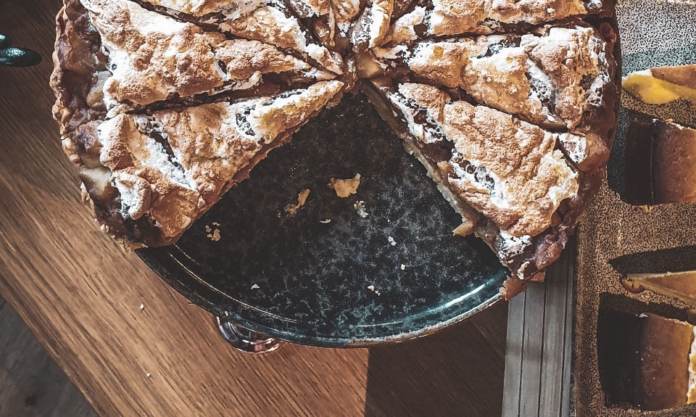
But equity and equality are not pie, giving some to others does not mean less for those who currently have all the pie.
但公平和平等不是馅饼,把一些给别人并不意味着对那些目前拥有所有馅饼的人来说意味着更少。
Sharing the pie is more like the Jesus with the Loaves and Fishes analogy. There is enough pie for everyone, when the attitude towards sharing changes.
分享馅饼更像耶稣与饼和鱼的类比。 当分享的态度改变时,每个人都有足够的馅饼。
The first step towards more equitable pie distribution is a recognition of how much pie one actually has, and who has a mouldy crumb. Merriam-Webster’s inclusion of the pronoun “they” for gender non-binary singular, third-person pronoun (instead of she or he) is but one example of this acknowledgement of privilege.
更公平的馅饼分配的第一步是认识到一个人实际有多少馅饼,以及谁有发霉的面包屑。 Merriam-Webster将代词“they”纳入性别非二元单数第三人称代词(而不是她或他)只是这种承认特权的一个例子。
Peter Sokolowski, an editor and lexicographer with Merriam-Webster says, ”The dictionary, after all, is more of a rearview mirror than a vanguard of change.”
Merriam-Webster的编辑和词典编纂师Peter Sokolowski说:“毕竟,字典更像是一面后视镜,而不是变革的先锋。”
If the usage of “they” as a pronoun is so commonplace in current usage, then it is fair to say that the dictionary is not the only place where recognition of non-binary gender expressions should be made manifest.
如果将“他们”用作代词在当前的用法中如此司空见惯,那么可以公平地说,字典并不是唯一应该体现非二元性别表达的认可的地方。
Sadly, this is not yet the case, and one of the moldy crumb holders are still the Female sex.
可悲的是,情况还不是这样,其中一个发霉的面包屑持有人仍然是女性。
A recent petition created by Maria Beatrice Giovanardi in the UK decries the synonyms for “woman” listed by Oxford’s Dictionaries: “biddy”, “wench” and “piece.”
Maria Beatrice Giovanardi最近在英国创建了一份请愿书,谴责牛津词典中列出的“女人”的同义词:“biddy”、“wench”和“piece”。
Much the same as dismissing gender-neutral language as being ungrammatical or difficult to learn, the inclusion of pejorative terms to define and refine the concept of “woman” is a clear refusal to share the pie.
就像将性别中立的语言视为不合语法或难以学习一样,包括贬义术语来定义和完善“女性”的概念是明确拒绝分享蛋糕。
Amanda Montell explores this and other nettle patches in her highly enjoyable romp through the socio-linguistic and etymological meadows of gendered language, Wordslut: A Feminist Guide to Taking Back The English Language, (Harper Wave, 2019). Montell does not mince her words, “That we have used language to systematically reduce women to edible, nonhuman and sexual entities for so many years is no coincidence. Instead, it makes a clear statement about the expectations, hopes and fears of our society as a whole.” She was using other examples of gendered language; tarts, cupcakes and cows, but the principle remains sound.
阿曼达·蒙特尔(Amanda Montell)在《Wordslut: A Feminist Guide to Taking Back The English Language》中,探索了这种荨麻片和其他荨麻,(Harper Wave,2019年)。 Montell毫不言,“这么多年来,我们一直用语言系统地将女性简化为可食用的、非人类的和性实体,这不是巧合。 相反,它清楚地表明了我们整个社会的期望、希望和恐惧。” 她使用了其他性别语言的例子;馅饼、纸杯蛋糕和牛,但原则仍然是合理的。
If language is the means by which culture is created and communicated, then it must be through language that change and inclusion are championed and cultivated.
如果语言是创造和传播文化的手段,那么必须通过语言来倡导和培养变革和包容。
Non-normative gender and sexual identities still remain taboo in many parts of the globe, many without even a mouldy crumb to their name. Parenting two wildly distinct mini humans has been a daily adventure in gender assumptions and equity. I have a child that sings and one that drums, one that cries at sad movies and one that hates kissing scenes, one that cooks and one that inspects wounds with clinical curiosity.
在全球许多地方,非规范的性别和性认同仍然是禁忌,许多地方的名字连一个发霉的面包屑都没有。 在性别假设和公平方面,养育两个截然不同的迷你人是每天的冒险。 我有一个会唱歌的孩子,一个会打鼓的孩子,一个在悲伤的电影中哭泣的孩子,一个讨厌接吻场景的孩子,一个会做饭的孩子,一个会带着临床好奇心检查伤口。
Neither of them like U2, or call the rubbish “the trash” at home, which is all I really ask of them.
他们俩都不喜欢U2,或者把家里的垃圾称为“垃圾”,这就是我真正对他们的要求。
Ten winters into parenting on the gender spectrum, I am still pretty clueless. I get it wrong more than I get it right, and for certain sure what I don’t have are any answers. Questions, though. Now that’s a different story. Pockets are the emblems of the patriarchy, you say? I am on it! Mx. Is a new gender-neutral form of address? Tell me more!
在性别谱系上进行育儿的十个冬天,我仍然毫无头绪。 我弄错的比弄对的多,当然,我没有任何答案。 不过,问题。 现在那是一个不同的故事。 你说口袋是父权制的标志? 我在做! Mx。 是一种新的性别中立的称呼形式吗? 告诉我更多!
There are more men named John employed as CEO’s of Multinational companies than all women? Challenge accepted.
雇佣的叫John的男性担任跨国公司首席执行官的人比所有女性都多? 接受挑战。
Change doesn’t start with answers. It starts with questions. Will anyone at all be alive at the end of G.O.T.? How is it possible to conceptualize change in a linguistic system designed to marginalize and oppress? Where does the Equality Pie recipe need tweaking to make one big enough for all to partake? Or do we all just need to share a piece of the pie on our own plate?
改变不是从答案开始的。 它从问题开始。 在G.O.T.结束时,有人还活着吗? 在旨在邊緣化和壓迫的語言系統中,如何概念化變化? 平等派的食谱在哪里需要调整,以使一个足够大,供所有人参与? 还是我们只需要在自己的盘子里分享一块馅饼?