



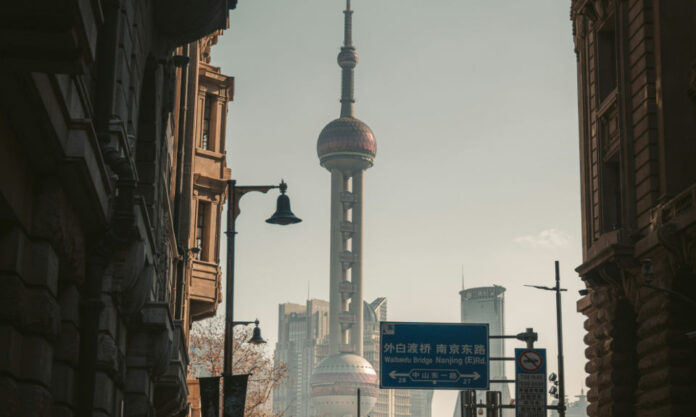



It seems almost unfashionable now to point out that China’s rapid modernisation over the past few decades has led to some intriguing cultural incongruities, where ancient traditions coexist almost symbiotically with contemporary lifestyles. But it’s still one that fascinates me daily even as I notch up my first decade here in the Middle Kingdom.
现在,指出中国过去几十年的快速现代化导致了一些耐人寻味的文化不协调,古代传统与当代生活方式几乎共生共存,这似乎几乎不时髦。 但即使我在中王国的第一个十年,它仍然每天都让我着迷。
On the one hand, we have a society that still promotes traditional values such as filial piety, Confucianism and the celebration of historical festivals. On the other, we have the younger generations; Millennials and Gen Zs, influenced by globalisation and digitalisation, increasingly embracing consumerism and individualism.
一方面,我们有一个社会,仍然提倡孝道、儒家和庆祝历史节日等传统价值观。 另一方面,我们有年轻一代;受全球化和数字化影响的千禧一代和Z世代,越来越接受消费主义和个人主义。
Here in the Yangtze River Delta, this cultural incongruity is clearly evident. Walk down Zhongshan Nan Lu in our own Nanjing and it is hard to miss the traditional Chinese medicine shop squeezed between the siren symbol of Starbucks (yes, a siren not a mermaid. Sirens are often depicted with two tails; check your coffee cup next time you pay a visit) and the snow white goatee of Colonel Sanders himself.
在长三角这里,这种文化不协调是显而易见的。 走在我们自己的南京的中山南路,很难错过夹在星巴克的警笛符号之间的传统中药店(是的,警笛不是美人鱼)。 警笛通常被描绘成两条尾巴;下次访问时检查你的咖啡杯)和桑德斯上校本人的雪白山羊胡子。
I remember one of the first times I visited Shanghai way back in 2014. As I walked around the tourist trap that is Yuyuan Garden, I instinctively looked up. Hidden between all of the bridges, ponds, teahouses, pavilions, there was a small gap of mere centimetres. In that gap, nestled between the architecture of the Ming and Qing Dynasties, I saw a skyscraper.
我記得2014年我第一次訪問上海。 当我绕着游乐园这个旅游陷阱走时,我本能地抬头看了看。 隐藏在所有的桥梁、池塘、茶馆、亭子之间,只有几厘米的小缝隙。 在那个缝隙中,依偎在明清时期的建筑之间,我看到了一座摩天大楼。
In that instant, the cultural incongruities of China hit me. I’m not sure even if it was one of the glittering towers in nearby Pudong or not, but that difference between old and new, the dichotomy between traditional and modern China fascinated me, and it has almost every single day since then.
那一刻,中国的文化不协调感击了我。 我不确定它是否是浦东附近闪闪发光的塔楼之一,但新旧之间的区别,传统和现代中国的二分法让我着迷,从那时起,它几乎每天都如此。
I’m forever looking up now, seeking out those dichotomies between old and new.
我现在永远在向上看,寻找新旧之间的二分法。
A recent trip back to that sprawling metropolis east of here led me to stay in a Ming Dynasty courtyard hotel. Exquisite and historical, I spent my evenings sat at the door looking up at the towering neon skyscraper overlooking the Ming courtyard. Old and new squashed together yet again, and a view I did not want to stop looking at. I was mesmerised.
最近回到这里以东那座广阔的大都市,让我住在一家明代庭院酒店。 精致而有历史意义,我晚上坐在门口,仰望着高耸的霓虹灯摩天大楼,俯瞰着明朝庭。 新旧再次挤在一起,我不想停止观看的景色。 我被迷住了。
Back here in our very own Nanjing, it was once the middle of February when I found myself stood on the city walls freezing my behind off as it started to drizzle around me. I’d left my umbrella at home (rookie mistake there) and the grey skies were slowly darkening.
回到我们自己的南京,曾经是二月中旬,我发现自己站在城墙上,周围开始下起小雨,冻得要命。 我把雨伞忘在家里了(那里是菜鸟的错误),灰色的天空慢慢变暗了。
Looking out over the boats on Xuanwu Lake, envious of their passengers’ shelter from the now heavier drizzle, I turned around and see the cityscape slowly start to blink to life.
望着玄武湖的船只,羡慕着乘客的庇护所,现在下着更重的细雨,我转过身来,看到城市景观慢慢开始闪烁。
My eyes darted from the historical city wall to the twinkling city lights and I was sent back to that first time looking between that tiny gap in Yuyuan Gardens.
我的目光从历史悠久的城墙飞向闪烁的城市灯光,我回到了第一次在豫园花园的狭小缝隙之间。
Admiring this juxtaposition, I tighten up my scarf around my naked neck and carry on walking along the wall, all the while considering that clash of history, architecture, the dichotomy between traditional and modern China.
欣赏这种并列,我收紧围巾,搂住裸露的脖子,继续沿着墙壁走,同时考虑历史、建筑的冲突,传统和现代中国之间的二分法。
Today, and just a stones throw away from the wall (well, metaphorically so (it’s more like a good 30 minutes walk if you walk as fast as me) is the Yihe Lu Residence Area. Feeling as if in the French Concession in Shanghai, it’s easy to get lost in the Republic of China-era mansions and architecture. Just ignore the crowds of photographers and wannabe models. Walk a little further through the crowded streets and look up…
今天,离墙只有一箭之遥(嗯,比喻说(如果你走得像我一样快,更像是30分钟的步行)是易和路住宅区。 感觉就像在上海的法国特许权一样,很容易迷失在中华民国时代的豪宅和建筑中。 忽略一群摄影师和想成为模特的人群。 穿过拥挤的街道再走远一点,然后向上看……
It’s become a little cliché now, but that view of the narrow street with the 23rd tallest building in the world (at the time of writing) right down the middle in the distance is what sold Nanjing for me.
现在它变得有点老套了,但这条狭窄的街道和世界上第23高的建筑(在写作时)就在远处的中间,对我来说是南京的卖点。
The incongruous Zifeng Tower standing astride Gulou and Xuanwu districts at sunset became a fast favourite sight of mine.
日落时分,不协调的紫峰塔矗立在鼓楼和玄武区,成为我最喜欢的景象。
I see it everywhere now; TikTok, Instagram, Xiaohongshu, but the first time I ever laid my eyes on that setting, it epitomised everything I came to love about the incongruous and dichotomous China of today.
我现在到处都看到它;抖音、Instagram、小红书,但当我第一次看到那个环境时,它体现了我喜欢的关于当今不协调和二分法的中国的一切。
The silent tension between preserving cultural heritage and adapting to the 21st century and beyond is thrilling to see first-hand. One piece of advice; open your eyes and look up.
亲眼目睹了保护文化遗产和适应21世纪及以后之间的无声紧张关系。 一个建议;睁开眼睛,抬起来。