



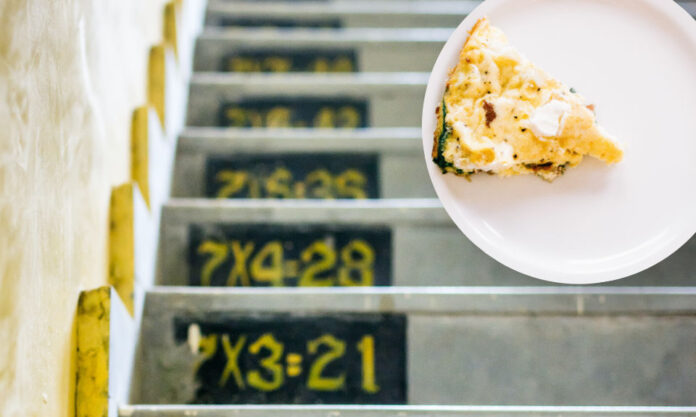



Knowing the right answer. If you’ve ever spent three hours at the kitchen table sobbing over 3 x 7 = ???, you’ll intuitively understand the urgency around finding the “right” answer.
知道正确答案。 如果你曾经在厨房的桌子上花了三个小时在3 x 7 = ???上抽泣,你会直观地理解寻找“正确”答案的紧迫性。
Indeed, in disciplines such as Mathematics or the Natural Sciences, such a thing may even be said to exist. This transculturally enshrined obsession with being right creates social cohesion and harmony on the one hand, but on the other, serves up toxic beliefs like there’s no tomorrow. Harmful harmony, you might ask? Well, yes.
事實上,在數學或自然科學等學科中,甚至可以說存在這樣的事情。 一方面,这种跨文化对正确的痴迷创造了社会凝聚力与和谐,但另一方面,它提供了有毒的信念,就像没有明天一样。 有害的和谐,你可能会问? 嗯,是的。
Harmony is often achieved at the expense of diversity, and diversity is the cream-cheese-icing on, and between the layers of, the carrot cake of life.
和谐往往是以牺牲多样性为代价来实现的,而多样性是奶油-奶酪-糖衣在生活的胡萝卜蛋糕层和层之间。
One of the cooler things about having a divergent brain is that it often comes at things from an unexpected angle, sort of like the Hogwarts’ stairs. ADHD maths is a thing, for example, and the internet is rife with curious calculations which demonstrate the differences between neurodivergent (ND) approaches to sums and those of our neurotypical (NT) friends.
拥有发散大脑的更酷的事情之一是,它经常从意想不到的角度来看待事物,有点像霍格沃茨的楼梯。 例如,多动症数学是一回事,互联网上充斥着好奇的计算,这些计算展示了神经发散(ND)求和方法与我们神经典型(NT)朋友的方法之间的差异。
And it’s not just different approaches to problems, it’s also apparent in the different conclusions we draw, as evidenced throughout history, in its entirety.
这不仅仅是解决问题的不同方法,也从我们得出的不同结论中可以看出来,正如整个历史所证明的那样。
Neurodivergence is a relatively new term which refers to the different flavours of thinking, learning and behaviour found amongst us homo sapiens. “Neurodivergence is a term originally attributed to the 1990s sociologist Judy Singer. It is a non-medical umbrella description of people with variation in their mental functions,” explains Kelly McCain, Head of Healthcare Initiative at the World Economic Forum.
神经发散是一个相对较新的术语,指的是我们智人中发现的不同思维、学习和行为。 “神经发散是一个最初归因于20世纪90年代社会学家朱迪·辛格的术语。 世界经济论坛医疗保健倡议负责人Kelly McCain解释说:“这是对精神功能变化的人的非医学总括描述。”
Now, in order to preserve harmony, and therefore, social cohesion, it’s often easier to promote conformity rather than reward sharp turns left by the Hogwarts’ Stairs Brains. This has led to the remarkable and soul-shredding phenomenon of masking amongst the ND community, which includes but is not limited to people with ADHD (attention-deficit-hyperactivity disorder), ASD (autism spectrum disorder) OCD (obsessive compulsive disorder), anxiety disorders, depression or borderline personality disorders.
现在,为了保持和谐,从而保持社会凝聚力,通常更容易促进顺从,而不是奖励霍格沃茨楼梯大脑留下的急转弯。 这导致了ND社区中蒙面的非凡和令人心碎的现象,包括但不限于多动症(注意力缺陷多动障碍)、ASD(自闭症谱系障碍)、强迫症(强迫症)、焦虑症、抑郁症或边缘型人格障碍患者。
Masking means hiding behaviours or emotions, and is a conditioned response to repeated correction or criticism, and stigma. The use of the term “disorder” clearly denotes difference as deficit.
掩蔽意味着隐藏行为或情绪,是对反复纠正或批评和污名的有条件的反应。 使用“紊乱”一词清楚地表示差异是赤字。
ND’s reject this ableist terminology, preferring the term ‘condition’ to the medical and pukey label currently in use. One intrepid TikToker, Connor deWolfe, contends that the ADHD label, rather than describe the mindful-of-bees and hyper-emotionality of this particular neurological condition, merely lists its most annoying attributes. DeWolfe suggests DAVE as a more inclusive and affirming acronym for this flavour of neurodivergence; Dopamine Attention Variability Executive-Function, which better reflects the struggles of life without working memory or impulse control or executive function regulation.
ND拒绝这种能力主义术语,更喜欢“条件”一词,而不是目前使用的医疗和呕吐标签。 一位无畏的抖音用户Connor deWolfe认为,多动症标签并没有描述这种特定神经系统疾病的蜜蜂意识和过度情绪化,而只是列出了其最令人讨厌的属性。 DeWolfe建议DAVE是这种神经分歧的更包容和肯定的首字母缩写词;多巴胺注意力可變性执行功能,它更好地反映了没有工作记忆或冲动控制或执行功能调节的生活挣扎。
Philosophy, like Science, only ever claims to know as much as it knows, and remains open to new information, albeit after a few initial centuries of tortury murdering. Galileo, Giordano Bruno, Dr. Luther King Jr. Society has historically tried burning new perspectives as a first response. Like monkeys, we attempt to smash the scary thing with rocks.
哲学和科学一样,只声称知道它所知道的,并对新信息保持开放,尽管在最初的几个世纪的折磨谋杀之后。 伽利略,乔达诺·布鲁诺,小路德·金博士 历史上,社会曾尝试将新观点作为第一反应。 像猴子一样,我们试图用石头砸碎可怕的东西。
So how do we seek out new knowledge without startling ourselves into the “smash it or burn it” primal response? How can we search for explanations without falling into the spiky-jawed traps of implicit bias or its close cousin, confirmation bias? How on earth can we ever hope to understand perspectives alien from our own?
那么,我们如何在不让自己陷入“粉碎它或燃烧它”的原始反应的情况下寻找新知识呢? 我们如何才能在不陷入隐性偏见或其近亲、确认偏见的尖刺陷阱的情况下寻找解释? 我们到底怎么能希望理解与我们自己不同的观点?
Well, we’ve all lived through The Teenage Years, the dread-weight of ‘knowing it all’. The crippling certainty. Finally realizing that I know nothing was like a drink of cool water after the drought that was the teens and twenties. Not having a clue, ‘nere a single inkling is simply marvelous.
好吧,我们都经历过青少年时期,“知道一切”的可怕重量。 残缺的确定性。 终于意识到,在十几岁和二十多岁的干旱之后,没有什么比喝凉水更好的了。 毫无头绪,’nere一个暗示简直太棒了。
Spectrum is the key word to remember when thinking about human learning, thinking and behaviour, and this is certainly the case when it comes to ND and NT categories. Harvard University defines the concept of Neurodiversity as “the idea that people experience and interact with the world around them in many different ways; there is no one “right” way of thinking, learning, and behaving, and differences are not viewed as deficits.”
光谱是思考人类学习、思维和行为时要记住的关键词,ND和NT类别当然就是这种情况。 哈佛大学将神经多样性的概念定义为“人们以许多不同的方式体验和与周围世界互动的想法;没有一种“正确”的思维、学习和行为方式,差异不被视为缺陷。”
The tendency to pursue the “right” answer then, is contingent upon false dichotomies and incomplete knowledge.
因此,追求“正确”答案的倾向取决于错误的二分法和不完整的知识。
And that makes sense when you are placating a barbarian horde or The Mongols or a toddler.
当你安抚一群野蛮人、蒙古人或蹒跚学步的孩子时,这是有道理的。
But if we shift our understanding from the rigid thinking of right-and-wrong, good-and-bad, black-and white to the spectrum model, suddenly the ambiguity and nuance necessary to comprehend the human condition in all of its magnificent stupidity opens up, all shiny and waiting to be explored.
但是,如果我们把理解从对与错、好与坏、黑白的僵化思维转移到光谱模型上,突然间,理解人类状况的所有宏偉的愚蠢所必需的模糊性和细微差别就会打开,都是闪亮的,等待探索。
And if the pursuit of enlightenment isn’t enough, the promise of great joy and bounteous happiness will shift you into the grey, the magical zone of possibility. Last month, Neurodiversity Celebration Week across the world celebrated this “fascinating and crucial field, by exploring what employers can do to understand and harness the wide spectrum of neurodiverse talent that’s proven to make an enterprise more resilient, creative … and productive.”
如果对启蒙的追求还不够,那么巨大的快乐和大福的承诺会让你进入灰色,即可能性的神奇区域。 上个月,世界各地的神经多样性庆祝周庆祝了这个“迷人和关键的领域,通过探索雇主可以做些什么来理解和利用广泛的神经多样性人才,这些人才已被证明可以使企业更具弹性、创造力……和生产力。”
In an increasingly globalised and multicultural world, it simply makes sense to consciously question the “right” answers and principles that govern our lives and to resist bias or ignorance when we meet them. Call them out with kindness. Call them out with humour. But call them out!
在一個日益全球化和多元文化的世界中,有意识地質疑支配我們生活的「正確」答案和原則,並在遇到偏見或無知時抵制它們是有意義的。 善意地叫他们出来。 幽默地叫他们出来。 但叫他们出来!
The mental schemata built up through education and conditioning allow us to feel some comfort in our shaky certainty about the world. Yet, the universe operates in absolute and utter chaos. We need explanations for scary things that happen every day. Illness. Death. Suffering. To the conscious mind, ambiguity is anathema. The unknown is a downright “Hold my beer.”
通过教育和条件培养的心理模式让我们在对世界的不确定性中感到一些安慰。 然而,宇宙在绝对和彻底的混乱中运作。 对于每天发生的可怕事情,我们需要解释。 疾病。 死亡。 痛苦。 对有意识的头脑来说,模棱两可是诅咒。 未知是彻头彻尾的“Hold my beer”。
Most ND’s mask exceptionally well. Trying all the time to behave “right” is exhausting. AND it clips the wings of our feather-brained flights of fancy.
大多数ND的面具都特别好。 一直试图表现得“正确”是很累的。 它剪断了我们羽毛脑的幻想飞行的翅膀。
Cleaning the fridge for an NT, I am led to believe, is a pretty linear task. Open fridge. Remove items. Clean. Replace.
我相信,为NT清理冰箱是一项相当线性的任务。 打开冰箱。 移除项目。 干净。 替换。
Not for my flavour of ND. Oh no. We open fridge. Begin to remove items. Notice the eggs are nearing their expiry date. Decide to rustle up a quiche. Remove all quiche dishes to wash them, along with everything else in the cupboard. Move cupboard and rug and lamp to the other side to the room to create a better flow between the oven and the quiche receptacle. Maybe the fridge is the problem? Redesign the entire living room and paint the wall which is now behind the sofa to tie the décor together. Taobao an entire new fabric motif for the cushions to compliment the fresh layout, and then decide that it feels far more South American now, and French quiche simply will not do. Replace the eggs and close the fridge.
不是为了我的ND口味。 哦,不。 我们打开冰箱。 开始移除物品。 请注意,鸡蛋即将过期。 决定沙沙作响的蛋饼。 把所有的蛋饼盘都拿出来清洗,还有橱柜里的其他东西。 将橱柜、地毯和灯移到房间的另一边,以便在烤箱和蛋饼容器之间更好地流动。 也许冰箱是问题所在? 重新设计整个客厅,并粉刷现在沙发后面的墙壁,将装饰连接在一起。 淘宝为坐垫增添了全新的面料图案,以补充新鲜的布局,然后决定现在感觉更像南美,而法国蛋饼根本不行。 更换鸡蛋并关上冰箱。
When it comes down to it, NDs are the unwitting masters of faffing around and finding out. Newton’s apple. Dr. Fleming’s penicillin. Arthur Guinness’ Guinness. All happy accidents. Now, we have an explanation for gravity, antibiotics, and Guinness. But before we didn’t. The right answers aren’t always the best answers. Before the invention of penicillin, for example, fresh air was a cure for TB, strep-throat could see you pushing up the daisies. A paper cut could be the end of you. The right answers to these afflictions pre- Dr. Fleming’s “oops-I-forgot-to-clean-up-my-moldy-dishes-for-2-weeks” game-changer are now, thankfully, wrong.
归根结底,NDs是无心的四处游走和发现的大师。 牛顿的苹果。 弗莱明医生的青霉素。 亚瑟·吉尼斯的吉尼斯。 都是快乐的意外。 现在,我们对重力、抗生素和吉尼斯有一个解释。 但在此之前我们没有。 正确的答案并不总是最好的答案。 例如,在青霉素发明之前,新鲜空气是治疗结核病的良方,链球菌咽喉炎可以看到你推起雏菊。 一张纸剪可能是你的末日。 值得慶幸的是,在弗萊明博士的「哎呀,我忘了清理我的黴菌盤2周了」之前,這些苦難的正確答案現在是錯誤的。
We have newer, better explanations. Imagine the ignominy of dying of a paper cut.
我们有更新的、更好的解释。 想象一下被剪纸的死亡的侮辱。
3×7=21. I learned that in the end. But there are newer, better ways.
3×7=21。 我最终学会了这一点。 但有更新、更好的方法。