



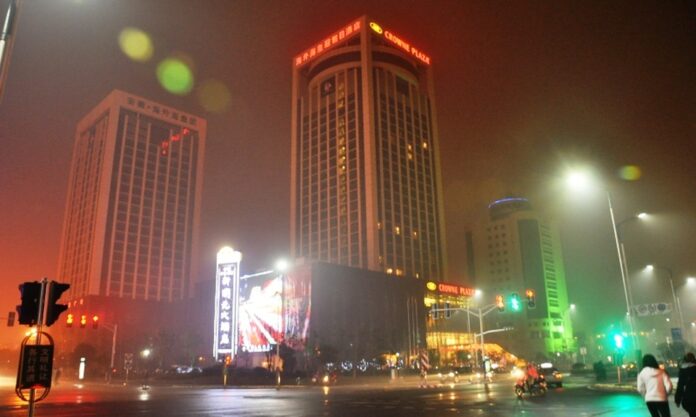



Steel-hearted at first glance yet softer on second look, Ma’anshan in Anhui Province is a city that lives in two registers at once; one forged by blast furnaces and river docks, the other by poems, legends and Nanjing breathing just over the border.
乍看之下,马鞍山像是一座钢铁气很重的城市;再看一眼,又会发现它柔软得出人意料。这里同时说着两种语言;一种来自炉火与码头,另一种来自诗歌、传说,以及省界那头几乎贴身而来的南京。
Set on the south bank of the Yangtze in eastern Anhui Province, Ma’anshan has long stood in a place that is neither wholly inland nor quite Jiangsu. Its very name comes from a saddle-shaped hill by the river, and local legend ties that saddle to Xiang Yu’s last defeat. Even before industry, this was a city that liked a dramatic entrance.
马鞍山位于安徽省东部、长江南岸,位置本身就带着一点暧昧;它既不算真正的内陆,也几乎贴到了江苏的门边。城市之名来自江畔一座形似马鞍的小山,而地方传说又把这只“马鞍”与项羽末路相连。早在工业到来之前,这里就已经很会讲开场了。
Then comes Li Bai. Few Chinese cities hold their poetry as publicly as Ma’anshan does, and few landmarks carry a literary afterglow like Caishiji. The great Tang Dynasty poet is said to have met his end there while reaching for the moon on the river; true or not, the city has been living off that beautiful recklessness ever since.
再往下,就到了李白。中国很少有城市像马鞍山这样,把诗意放在街面上;也很少有地标像采石矶这样,始终带着浓浓的文学余温。相传这位盛唐诗人醉后临江捉月,最终命丧于此;真假或许并不重要,重要的是,这座城后来一直活在这种好看的莽撞里。
From Saddle Legend to Li Bai on the River
从马鞍传说到江上的李白
According to Baidu Baike, the Ma’anshan municipal government and local reference materials, modern Ma’anshan was formally established as a prefecture-level city in 1956. What followed was a hard industrial climb, built above all on steel. Ma’anshan Iron and Steel helped turn the city into one of China’s best known steel bases, while Ma’anshan Port gave it the river outlet to match.
据百度百科、马鞍山市政府资料和地方参考材料,现代意义上的马鞍山于1956年正式设市。此后,它靠着一股很硬的工业上升力站稳脚跟,而钢铁就是其中最粗的一根骨头。马钢把这座城推成了中国最有名的钢铁基地之一,马鞍山港则让它在长江边拥有了与之相配的出口。


That old muscle still matters, but it no longer speaks alone. These days Ma’anshan talks just as confidently about advanced materials, intelligent equipment, special steel, port logistics and the sort of manufacturing chain that benefits from sitting so close to Nanjing and inside the Yangtze River Delta. The city still makes things; it simply makes a wider argument now.
这身老筋骨当然还重要,但它已经不再独自发声。如今的马鞍山,也很自然地谈先进材料、智能装备、特钢、港口物流,以及那种因为贴近南京、又身处长三角而更容易长起来的制造业链条。它依然在造东西;只是现在,造出的说法也更宽了。
That breadth shows up elsewhere too. Anhui University of Technology gives the city a useful academic spine, while official sister-city records including Hamilton, Isesaki and Changwon hint at a place long used to looking outward. Ma’anshan may feel local in mood, but it has never been provincial in reach.
这种展开,也体现在别处。安徽工业大学给了这座城市一条很实用的学术脊梁,而包括加拿大哈密尔顿、日本伊势崎和韩国昌原在内的友城名单,则说明这里很早就习惯把目光往外放。马鞍山的气质或许很地方,但它的伸手从来不算局促。
How a Steel City Learned to Look East Again
一座钢城如何重新把目光投向东方
What saves Ma’anshan from becoming a lecture in industrial geography is that it remains easy to enjoy at street level. There is Yushan Lake for a slower turn, Caishiji for the river view, and a line-up of local tastes that feel properly rooted; tea-dried tofu, crabs from Shijiu Lake and the sort of small dishes that make a weekend stop feel justified long before the scenery has finished the job.
马鞍山之所以没有变成一堂工业地理课,就在于它在街面上依旧很好相处。雨山湖让节奏慢下来,采石矶把长江摆在眼前,本地味道也都站得住;采石矶茶干、石臼湖螃蟹,还有那些一口下去就很有地方感的小菜,往往在风景还没说完之前,就先替这座城把周末留下来了。


The newest proof of Ma’anshan’s eastward pull arrived on 22 April 2026, when the Ningma intercity line opened, a moment covered widely by Xinhua, Anhui transport reports and local media, and made the city’s relationship with Nanjing feel less rhetorical and more daily. A border still exists on the map; in practice, the commute has started to argue back.
马鞍山最近一次把“向东”二字落到实处,是在2026年4月22日宁马城际开通的时候,这一消息也见诸新华社、安徽交通报道和地方媒体。它与南京之间的关系,从此少了几分口号,多了几分日常。地图上的省界当然还在;可在现实里,通勤已经开始提出不同意见了。
Served chiefly by Nanjing Lukou International Airport, around 45 kilometres away, and linked by high-speed rail through Ma’anshan East, the city sits roughly two hours from Shanghai and about four from Beijing; but the more telling measure is simpler still, Nanjing now feels close enough to belong in the same breath, and that first note of the story makes more sense once the neighbour is in view.
马鞍山主要借力约45公里外的南京禄口国际机场,并通过马鞍山东站接入高铁网络;前往上海大约2小时,到北京约4小时。可真正更能说明问题的,其实是另一件事;南京如今近得很,已经可以和这座城放在同一口气里说,而文章开头那第一笔,也就显得顺理成章。