Foundations. That’s the watchword in the world of charity in China today. Their rise is the manifestation of an unprecedented shift embracing philanthropy in the Middle Kingdom. Factors such as an increasingly international outlook, more disposable income, changes in law, environmental concerns and let’s be honest, tax breaks, are contributing to a view of helping others that dates back 3,000 years.
基础。 这是当今中国慈善界的口号。 他们的崛起是中王国拥抱慈善事业的空前转变的表现。 越来越多的国际前景、更多的可支配收入、法律的变化、环境问题以及老实说,税收减免等因素,助长了3000年前的帮助他人的观点。
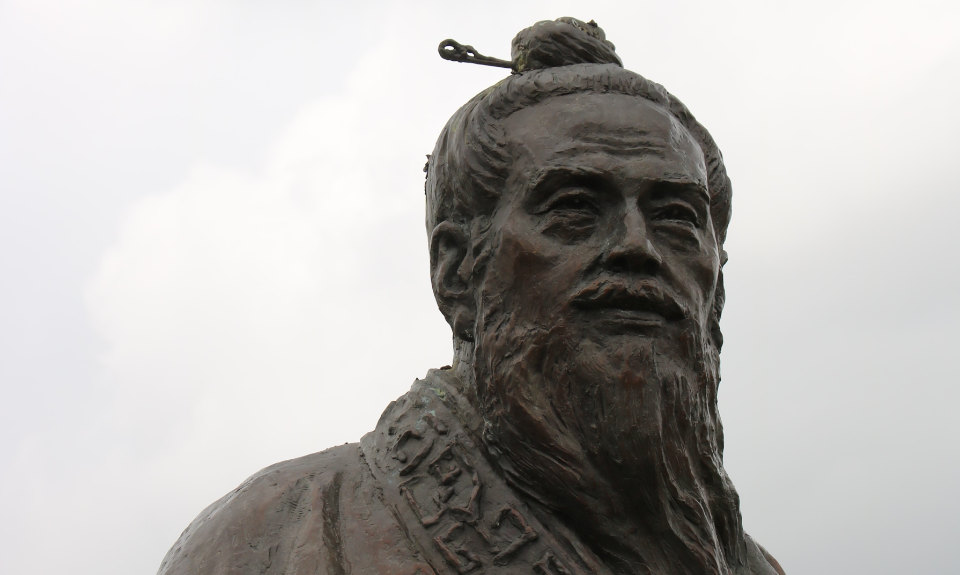
We have Confucius to thank. Throughout his teachings can be found the concept of assisting those less fortunate than oneself. These concepts of welfare were embraced by Confucian thinkers as long ago the Zhou dynasty (1047 BCE-772 BCE).
我们要感谢孔子。 在他的整个教义中,可以找到帮助那些比自己更不幸的人的概念。 儒家思想家早在周朝(公元前1047年-公元前772年)就接受了这些福利概念。
One of Confucius’ disciples, the philosopher Mencius, once said, “In poverty, one should still hold himself to a high standard; and when prosperous, one should contribute to the well-being of all”.
孔子的弟子之一,哲学家孟子曾经说过:“在贫穷中,一个人仍然应该保持高标准;而当繁荣时,一个人应该为所有人的福祉做出贡献。”
Buddhist monasteries have also pitched in throughout history. Their philanthropic initiatives inspired two princes from the Southern Qi dynasty (479-502 CE) to establish China’s first philanthropic organisation to aid the sick and destitute.
纵观历史,佛教寺院也参与了。 他们的慈善事业激励了南齐(公元479-502年)的两位王子建立了中国第一个帮助病人和贫困者的慈善组织。
Yet when this correspondent arrived in China in 1993, there was not much charity to be seen. And that was because there simply wasn’t much money going around anyway. The State, of course, looked after all.
然而,当这位记者于1993年到达中国时,并没有看到多少慈善。 那是因为无论如何,周围没有多少钱。 当然,国家照顾了一切。
All that changed on 12 May, 2008. With a magnitude of 8.2 on the Richter scale, the Great Wenchuan Earthquake (汶川大地震) took over 69,000 lives, many of them schoolchildren.
这一切在2008年5月12日发生了变化。 汶川大地震的里氏震级为8.2级,夺走了69,000多条生命,其中许多是学童。
The tragedy triggered an outpouring of grief by the Chinese. As luck would have it, the country had become a lot more prosperous in the intervening 15 years. Donations started pouring in. Volunteers signed up to go to Sichuan in their hoards. Donation boxes for the earthquake’s victims started appearing all over the country, especially in temples. Entertainment websites carried links to donation pages. A 4-hour, national TV special brought in donations totalling ¥1.5 billion.
这场悲剧引发了中国人的悲痛。 幸运的是,在这15年里,这个国家变得更加繁荣。 捐款开始涌入。 志愿者们报名前往四川。 地震受害者的捐款箱开始出现在全国各地,特别是在寺庙里。 娱乐网站提供捐赠页面的链接。 一个4小时的全国电视特别节目共带来了15亿日元的捐款。
When all was said and done, donating to charity in 2008 had trebled over the previous year.
说完,2008年对慈善机构的捐款比前一年翻了三大。
The trend continued. As Britain’s newspaper, The Guardian noted in the following years, “Between 2010 and 2016, donations from the top 100 philanthropists in mainland China more than tripled to US$4.6 billion”.
趋势还在继续。 正如英国报纸《卫报》在随后的几年里指出,“在2010年至2016年期间,中国大陆前100名慈善家的捐款增加了两倍多,达到46亿美元”。
But the masses were, to all intents and purposes, essentially handcuffed. Prior to 2016, social organisations lacking government support found it almost impossible to obtain public-fundraising status, while the criteria for such was shrouded in a haze of bureaucracy.
但就所有意图和目的而言,群众基本上被戴上了手铐。 在2016年之前,缺乏政府支持的社会组织发现几乎不可能获得公共筹款地位,而这种标准被笼罩在官僚主义的阴影中。
The Charity Law is what they were waiting for. At last, China now had a international-standard, transparent legal framework regulating charity. It would herald in a tectonic shift in the philanthropic landscape of China. It was also a handy tool for legitimising philanthropy for the role it plays in underpinning the name of that new political catchphrase, “common prosperity”. And for the more fiscally minded, it also set out in law how giving could lead to deductions in taxes due to the government.
慈善法是他们一直在等待的。 最后,中国现在有一个国际标准、透明的法律框架来规范慈善事业。 这将预示着中国慈善格局的构造转变。 这也是使慈善事业合法化的便捷工具,因为它在支撑新的政治口号“共同繁荣”的名称方面发挥了作用。 对于更注重财政的人来说,它还在法律中规定了捐赠如何导致扣除应付政府的税款。
With a comprehensive national law in place and the continuously growing prosperity of the new middle classes, Chinese givers are turning out to be a fairly young bunch, with most in their 30s and 40s.
随着全面的国家法律的到位和新中产阶级的不断繁荣,中国的付出者变成了相当年轻的群体,其中大部分都在30多岁和40多岁。
That’s the opposite of in the USA, but that reversal in the demographic is also represented in giving from corporations versus individuals. In China, fully 80 percent of charitable donations still come from corporations.
这与美国的情况相反,但人口结构的逆转也表现在公司与个人的奉献中。 在中国,80%的慈善捐款仍然来自企业。
Bringing us to those foundations mentioned earlier. According to their website, the China Foundation Centre has a comprehensive online database of over 7,000 legally registered foundations in China. That number has grown 500 percent since pre-Sichuan.
把我们带到前面提到的那些基金会。 根据他们的网站,中国基金会中心拥有一个全面的在线数据库,其中包含中国7000多个合法注册基金会。 自四川前以来,这个数字已经增长了500%。
The China Foundation Centre also provides lists for foundations based on different criteria; total net assets, total income, total giving and transparency score, etc., on the basis of most recent data.
中国基金会中心还根据最新数据,根据不同的标准提供基金会列表;净资产总额、总收入、捐赠总额和透明度分数等。
The Diplomat has also noted a surge in the number of foundations established elsewhere in the Chinese diaspora. In the USA, another fivefold increase for Chinese-American foundations sees them now bringing in over half a billion dollars annually. Just as in China, much of this goes to higher education. Chinese Americans are fond of giving back to their alma maters.
外交官还注意到,在中国侨民中其他地方建立的基金会数量激增。 在美国,华美基金会又增长了五倍,现在他们每年的收入超过5亿美元。 就像在中国一样,其中大部分都用于高等教育。 美籍华人喜欢回馈母校。
Looking to the future, China has for quite a while now championed the benefits of big data. Such could be an enormous help with China’s stated intent for international cooperation in the field of charitable activities. Again, common prosperity.
展望未来,中国已经拥护大数据的好处已经有一段时间了。 这可以对中国在慈善活动领域的国际合作的声明意图有很大帮助。 再次,共同繁荣。
No wonder in 2019 was launched the China Philanthropy Big Data Research Institute, another initiative of the China Foundation Centre.
难怪2019年成立了中国慈善大数据研究所,这是中国基金会中心的另一个倡议。
On the horizon is a whole new way of looking at charity. Just as in other sectors, science and technology shall be mobilised. Expect digital currency, artificial intelligence and blockchain to be the new watchwords in China’s world of philanthropy.
地平线上是看待慈善事业的全新方式。 与其他部门一样,应该动员科技。 预计数字货币、人工智能和区块链將成為中国慈善界的新口号。