Straddling the western edge of Shandong, Liaocheng sits where the province meets Henan, Hebei and a long memory of river trade. It is a city of plains, water and old routes; practical before it is picturesque.
横跨山东西部边缘的聊城,正处在山东与河南、河北交界的地带,也延续着一段漫长的水运记忆。这里是一座平原、水系和古老通道交织的城市;先务实,再谈好看。
According to Chinese-language city pages, Liaocheng is a prefecture-level city in western Shandong with a permanent population of about 5.95 million in the 2020 census. It covers 8,628 square kilometres and has long been shaped by the Yellow River plain and the Grand Canal.
根据中文城市资料,聊城是山东西部的地级市,2020年常住人口约595.2万人。全市面积8,628平方公里,长期受黄河冲积平原和京杭大运河共同塑造。
The old name was Dongchangfu, and the city still carries that harder, older sound in local memory. What makes Liaocheng stand out is not just age; it is the way water has remained central to its identity, from the canal to Dongchang Lake and the smaller rivers that thread the plain.
聊城旧称东昌府,这个名字至今仍带着更硬朗、也更古老的回声。聊城真正特别的地方,不只是历史久;而是水一直是它身份的核心,从运河,到东昌湖,再到平原上纵横交错的支流,都是如此。
Canals, Lake And Old Walls
运河、湖泊与古城墙
Liaocheng is one of those cities that Chinese tourism brochures call a “water city”, but here the label is not empty. Dongchang Lake began as a moat in the Northern Song Dynasty; it later became part of the city’s image, and today it gives the old town a broad, open centre.
聊城是那种在中国旅游宣传里常被称作“水城”的地方,但这一次,这个说法并不空。东昌湖最早是北宋时的护城河,后来逐渐成为城市形象的一部分,如今也让老城拥有了开阔的中心气质。
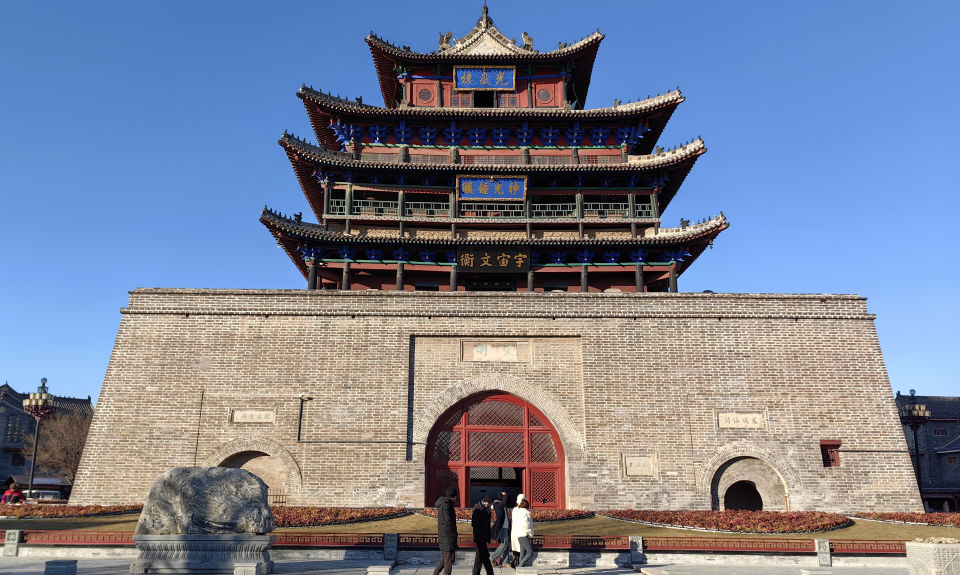
Nearby stands Guangyue Tower, the city’s best-known landmark, built in the Ming Dynasty and still rising above the old quarters with quiet confidence. It is not a skyline city. It does not need to be. One tower, one lake and one old wall can do a lot of work here.
附近的光岳楼则是聊城最有名的地标,始建于明代,至今仍安静而有分量地立在古城之上。聊城不是高楼林立的天际线城市,也不需要这样。一座楼、一片湖、一道老城墙,已经足够说明很多事情。
The Grand Canal gives Liaocheng its wider historical frame. Chinese sources note that several canal heritage points and river sections in the city have been included in the Grand Canal World Heritage listing. That is important because Liaocheng is not just beside the canal; it is one of the places that helped keep the canal’s story alive.
京杭大运河则给聊城提供了更大的历史背景。中文资料提到,市内有多个大运河遗产点和河段被列入世界文化遗产名录。这个意义很重要,因为聊城并不只是“靠着运河”,它本身就是让运河故事继续延续的城市之一。
Industry, Heritage And A City Moving Forward
产业、遗产与继续向前的城市
Liaocheng today is more than a heritage stop. It still depends on agriculture and farm processing, but it also has metallurgy, chemicals, new-energy vehicles and tourism in the mix. That is a wider base than many outsiders expect from a city with such an old face.
今天的聊城早已不只是一个遗产型城市。它仍然依赖农业和农副产品加工,但同时也有有色金属、化工、新能源汽车和旅游业。对一座看起来如此古老的城市来说,这个产业面相比外界想象的更宽。
One of its strongest local products is Dong’e ejiao, a name that carries both commercial weight and cultural baggage. Alongside that sit the city’s riverfront landscape, its restored ancient walls and its older commercial buildings, all of which help turn history into something visible rather than sealed away.
它最强的地方产品之一是东阿阿胶,这个名字既有商业分量,也带着文化重量。与此同时,河湖景观、复建后的古城墙和老商业建筑,也都在把历史变成看得见、摸得着的东西,而不是封存在展柜里。
Transport is changing the city’s reach. Liaocheng Railway Station remains the main old-line hub on the Beijing-Kowloon Railway; Liaocheng West, which opened in 2023, has tied the city into the Zhengzhou-Jinan high-speed corridor, with further links still being built out. That matters in a city whose whole story has always been about routes.
交通正在改变聊城的外延。聊城站仍是京九铁路上的老牌主枢纽;2023年投入使用的聊城西站,则把城市接入了郑济高铁通道,更多线路仍在推进之中。对一座本来就靠通道生长的城市来说,这一点格外重要。
Liaocheng does not try to impress by volume. It does it by layering: water over land, old over new, market over memory. That is why it feels less like a city that has finished becoming itself than one that has spent centuries learning how.
聊城并不靠“声量”来打动人。它靠的是层次:水覆在地上,旧叠在新上,市场压着记忆走。这也让它看起来不像一座已经完成自我塑造的城市,而更像一座花了几百年才学会如何成为自己的城市。