







Set hard against the north of Shandong, Dezhou is less a city of grand gestures than a city of routes. It leans toward Beijing, faces Hebei and has spent generations turning its position into practical value.
坚定地站在山东北部,德州与其说是一座追求大场面的城市,不如说是一座讲通道、讲位置的城市。它面向北京,隔着河北,也花了几代时间把自己的地理位置变成了实际价值。
That practical streak shows in its rail lines, highways and old canal links. Dezhou has long been a crossing point, not a cul-de-sac; a place where goods, people and ideas keep moving through.
这种务实气质体现在铁路、公路和旧运河联系上。德州一直不是死路尽头,而是一个交汇点;货物、人口和观念都在这里不断流动。
According to Chinese-language reference pages and state-media reporting linked to Solar Valley, Dezhou covers 10,357.67 square kilometres and had 5.61 million people at the 2020 census. It is now divided into two districts, two county-level cities and seven counties.
根据中文参考页面以及与“太阳谷”相关的媒体报道,德州面积为10,357.67平方公里,2020年人口普查时常住人口为561.12万人。如今,全市下辖2个市辖区、2个县级市和7个县。

Rail, Roads and a City Built on Junctions
铁路、公路与一座生来讲通道的城市
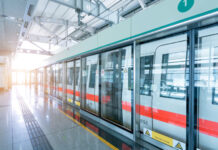
The rail story is central. Dezhou Station on the older Beijing-Shanghai and Shide lines remains a working piece of railway history; Dezhou East, on the Beijing-Shanghai high-speed line, pushed the city firmly into the fast network when it opened in 2011.
铁路是这座城市最核心的故事之一。老京沪铁路和石德铁路上的德州站至今仍在运转,是一段活着的铁路史;而2011年启用的德州东站位于京沪高铁线上,把这座城市稳稳送进了高速铁路网络。
That mattered beyond convenience. Local reporting around the opening said Beijing was about an hour away by high-speed rail, a line that changed how Dezhou was seen inside Shandong. It was no longer only a stop; it became a launch point.
这不只是出行更方便。车站开通时的本地报道提到,到北京高铁约为1小时,这条线改变了德州在山东内部被看待的方式。它不再只是一个停靠点,也成了一个出发点。
The same logic runs through the city’s road network and freight links. Dezhou sits on the wider corridor that connects the capital with the Yangtze Delta, and the city has used that position to stay useful rather than merely central.
同样的逻辑也体现在公路和货运联系上。德州位于连接首都与长三角的大通道上,这座城市一直在利用这一位置,让自己不仅仅是“位于中心”,而是真正发挥作用。


Solar Valley, Chicken and a City with a Clearer Brand
太阳谷、扒鸡与一座品牌更清晰的城市
Dezhou’s best-known modern brand is Solar Valley, the clean-energy project that gave the city a louder international voice. It turned Dezhou into a showcase for solar water heaters, low-carbon building ideas and a city image tied to energy rather than smoke.
德州最有名的现代名片是“太阳谷”,这个清洁能源项目让这座城市拥有了更响亮的国际声音。它把德州变成了太阳能热水器、低碳建筑理念和能源形象的展示窗口,而不再只是和烟尘联系在一起。
Yet the city is not all futurism. Dezhou braised chicken still carries the old street-level story of the place, spreading from rail stations to shelves far beyond Shandong. In a city built on movement, even the food learned to travel.
但这座城市并不只有未来感。德州扒鸡依然讲述着这座城市更早的街头故事,从火车站一路卖到山东以外的货架上。在一座由流动塑造的城市里,连吃食都学会了远行。
Dezhou also carries older cultural weight through the Grand Canal and the Yellow River plain. That broader landscape explains the city’s steady, unsentimental character; it has always been made by water, soil and the need to keep moving.
德州还背着更早的文化分量,来自京杭大运河和黄河平原。更大的地理背景解释了这座城市那种稳定、不过分煽情的性格;它一直是被水、土地和不断前行的需要共同塑造出来的。
Dezhou today is still doing what the opening lines promised: using its position, not hiding it. That makes it less flashy than some cities, but more honest about how it works. In Shandong’s north, that is its own kind of strength.
今天的德州仍然在做开头所说的事:利用自己的位置,而不是掩盖它。这让它看起来没有一些城市那么耀眼,但也更诚实地展示了自己的运转方式。在山东北部,这本身就是一种力量。