





Few Shandong cities carry as many layers as Zibo. It is an old Qi heartland, a ceramic base, a petrochemical centre and, more recently, the place that turned barbecue queues into national headlines. The city has learned to live on more than one reputation at once.
几座山东城市像淄博这样,层次如此之多。它既是齐文化的重要腹地,也是陶瓷重镇、石化基地;近些年又因为烧烤排队而频频登上全国热搜。淄博早已学会同时靠不止一种名声生活。
Zibo sits in central Shandong, with Jinan to the west, Weifang to the east and the old Qi capital of Linzi inside its borders. That geography still shapes the city. It links the provincial centre, the coast and the industrial belt between them.
淄博位于山东中部,西接济南,东连潍坊,而古齐国都城临淄就在其辖区之内。这种地理位置至今仍在塑造这座城市。它把省会、海岸和中间的工业带串了起来。
According to the city profile on the municipal government site and Shandong’s statistical record, Zibo remains a sizeable and busy city, with a population of about 4.7 million and a GDP that puts it among the province’s stronger performers. It is also a city that has spent years trying to move beyond heavy industry without pretending heavy industry never existed.
根据市级官方简介和山东统计资料,淄博仍是一座体量不小、运转很快的城市,常住人口约470万,GDP也处在全省较强梯队。它这些年一直在努力从重工业中走出来,但从未假装重工业不存在过。



From Qi Capital to Ceramic Streets
从齐国都城到陶瓷街区
Linzi gives Zibo its deepest historical weight. This was the old capital of Qi, one of the most powerful states of the Spring and Autumn and Warring States periods. That heritage is not hidden in glass cases alone; it remains visible in place names, museums and the city’s self-image.
临淄给了淄博最深的历史分量。这里曾是春秋战国时期强国齐国的都城之一。这份遗产并不只躺在玻璃柜里,它还活在地名、博物馆和这座城市对自己的理解中。
Zibo also carries the marks of industry in a very concrete way. The city name itself came from the merger of Zichuan and Boshan in the twentieth century; Boshan’s kilns and Zibo’s wider industrial base helped define the city for decades. Ceramics, chemicals and machinery were never side notes here. They were the main script.
淄博的工业痕迹也非常具体。这个城市名称本身就来自二十世纪初淄川与博山的合并;而博山窑火和淄博更广泛的工业基础,几代人都在定义这座城市。陶瓷、化工和机械从来不是配角,而是主线。
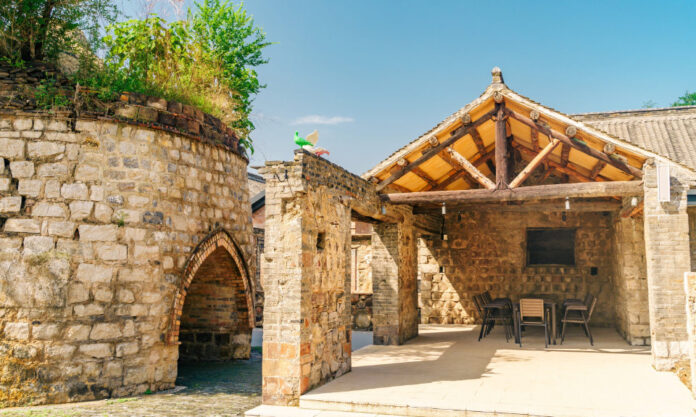
The modern city has also kept some places that make the past feel touchable. Zhoucun Ancient Commercial Street is one of the best known. It still shows why old trading towns mattered in north China, with lanes, courtyard houses and the kind of commercial architecture that once made this area wealthy.
现代淄博也保留了一些能让历史变得可触摸的地方。周村古商城就是其中最有名的一个。它仍然说明了北方老商镇为什么重要,巷道、院落和那些曾经让这里富起来的商贸建筑,都还在。


Barbecue, New Industry and the Next Version of Zibo
烧烤、新产业与淄博的下一版本
Then came the barbecue boom, which no planning document could have predicted in quite the same way. In 2023, Zibo became a social media destination because people wanted to eat there, queue there and tell other people they had done both. That trend did not erase the city’s older identity; it gave it a new one.
后来是烧烤热,这一点没有哪份规划文件能够准确预判。2023年,淄博因为“值得去吃、值得排队、值得发朋友圈”而成为社交媒体目的地。这股热潮并没有抹去它原来的身份,只是又给它添了一个新的身份。
Underneath that popularity, the economy still has serious work to do. Zibo remains a key industrial city in Shandong, with strong chemical, materials and manufacturing sectors. The point is not nostalgia. It is adaptation. A city built on kilns and factories now has to compete on quality, logistics and technical depth.
在这股热度之下,淄博的经济仍有实打实的任务。它依然是山东重要的工业城市,化工、新材料和制造业都很强。这里不是怀旧的问题,而是适应的问题。一座由窑火和工厂造出来的城市,如今必须在质量、物流和技术深度上竞争。
That is also why Zibo’s landmarks matter so much. Linzi tells the story of statecraft and early Chinese civilisation; Zhoucun shows trade and urban life; the city’s industrial sites show how the twentieth century remade it. Put together, they make Zibo feel more durable than fashionable.
这也是为什么淄博的地标如此重要。临淄讲的是国家形态和早期中国文明,周村讲的是商贸和城市生活,而工业遗址则展示了二十世纪如何重塑了它。把这些放在一起,淄博给人的感觉比“网红”二字更耐久。
Zibo is served by Zibo Station on the older rail network and Zibo North Station on the Jinan–Qingdao high-speed railway; the latter puts the city on one of Shandong’s key east-west corridors, with the Jinan–Qingdao run taking as little as 1 hour 22 minutes at its fastest. That is the practical version of Zibo’s story, and it fits the city well.
淄博有老铁路上的淄博站,也有济青高铁上的淄博北站;后者把这座城市放进了山东最重要的东西向通道之一,而济南东至青岛北的最快运行时间可低至1小时22分。这样的交通现实,正好贴合淄博的城市气质。