



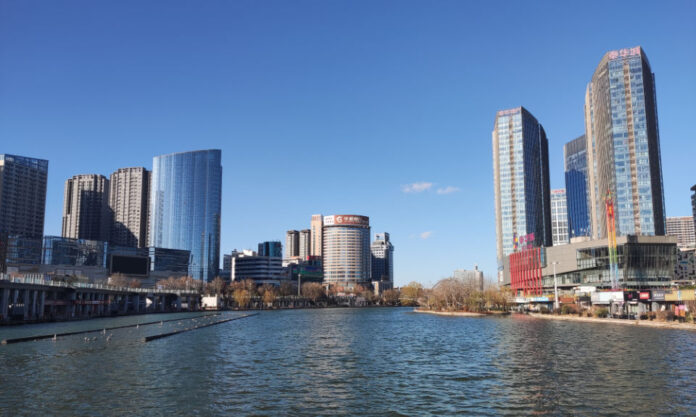



Weifang sits in central Shandong with a plainspoken confidence. It is a city of kites, woodcuts, engines and markets; a place that has learned to turn craft into identity and industry into habit without making too much noise about either.
潍坊位于山东中部,气质很朴实,也很自信。这里有风筝、木版年画、发动机和市场;它学会了把手艺变成身份,把工业变成习惯,而且并不爱大张旗鼓。
The city’s own materials and local reference pages put its area at 16,143.14 square kilometres, with a 113 kilometre coastline on the Bohai side. The 2020 census gave it a population of 9,386,705. That is enough to make Weifang feel substantial, but not so vast that it loses shape.
从城市资料和地方参考页面看,潍坊面积为16,143.14平方公里,北临渤海一侧的海岸线长113公里。2020年人口普查显示,常住人口为9,386,705人。这样的体量足以让潍坊显得分量十足,却又不至于大到失去轮廓。
Local government pages, festival material and museum information show a city that has branded itself with unusual success. Weifang is not only a manufacturing base; it is also the World Kite Capital, a title backed by the annual international kite festival and the city’s long record of kite making. The point is simple. This is a craft city that never stopped working.
市政府页面、节会资料和博物馆信息都说明,潍坊是一座把城市品牌做得相当成功的地方。它不只是制造业基地,也是“世界风筝之都”;这一称号有每年国际风筝会作支撑,也有长期的风筝制作传统作底气。说到底,这是一座手艺一直没有停工的城市。



Kites, Woodcuts And A City That Learned To Brand Itself
风筝、木版年画与一座学会自我命名的城市
Weifang’s best-known image is the kite, and it is not a shallow image. Bamboo frames, silk paper, careful painting and good balance all matter. The Weifang World Kite Museum, opened in 1989, is usually described as China’s first professional kite museum; it gives the city’s most famous object a proper home and a serious history.
潍坊最出名的形象就是风筝,而且这并不是一个空洞标签。竹骨、丝绢、绘画和配重,样样都重要。潍坊世界风筝博物馆1989年开放,通常也被称作中国第一座风筝专业博物馆;它给这座城市最有名的物件,提供了正式的家,也提供了一段认真的历史。
The museum matters because it explains how a local craft became civic identity. The answer is not a mystery. Weifang made the kite visible, repeated it, exported it and turned it into a public symbol. In a country where many places struggle to name themselves, that is no small thing.
这座博物馆之所以重要,是因为它解释了地方手艺如何变成城市身份。答案其实不神秘。潍坊把风筝做成人人看得见的东西,反复展示、不断外销,最后把它变成公共符号。在一个许多地方都苦于给自己命名的国家,这一点并不容易。
Yangjiabu woodblock New Year pictures add a second layer to the same story. They are older than the festival branding and closer to household life. These prints once travelled across northern China as seasonal blessings; now they tell visitors that Weifang’s creative economy did not begin with a slogan, but with craftsmen, repetition and a steady eye.
杨家埠木版年画则给同一个故事添了另一层。它比风筝品牌更古老,也更贴近日常家庭生活。这些年画过去作为节令祝福走遍华北;今天它们告诉游客,潍坊的创意经济并不是从口号开始的,而是从匠人、重复劳动和稳定的审美开始的。


Industry, Sea Wind And A City That Still Makes Things
工业、海风与一座仍在制造的城市
Weifang is also a serious production city. It has long been home to machinery, engines, agricultural processing and wider manufacturing. Weichai is the best-known name, but it is only one piece of a much broader industrial landscape. This is a city that still values making things that actually work.
潍坊同样是一座很强的生产型城市。这里长期有机械、发动机、农产品加工和更广泛的制造业。潍柴是最有名的名字,但它只是更大工业版图中的一块。这是一座仍然重视“把东西做出来、而且真能用”的城市。
The coastal edge helps shape that economy too. With the Bohai side to the north and the plain stretching inland, Weifang sits in a useful middle ground between sea, farm belt and transport routes. That mix means the city can think like a workshop, a logistics hub and a festival host all at once.
海岸线也在塑造这座城市的经济。北面连着渤海,向内则是平原与农业腹地,潍坊恰好处在海、农区和交通线之间的有利位置。这种混合身份让它可以同时像工坊、物流节点和节会举办地那样思考问题。
The old saying “South Suzhou, North Weixian” still carries local pride, and not without reason. It points to a place once known for craft, commerce and a certain confidence in its own skills. Weifang has kept that confidence, even as the city has grown larger and more industrial.
“南苏州、北潍县”这句老话至今仍带着地方自豪,而且并非没有道理。它说的是一座曾因手艺、商贸和自家本事而闻名的地方。即使今天城市更大、工业更强,潍坊也仍然保留着那份底气。
Transport keeps the city open. Weifang is served by Weifang Airport, Weifang Station and Weifang North Station, with rail and highway links tying it closely to Jinan, Qingdao and the wider Shandong corridor. For a city built on exchange, that connectivity feels entirely right.
交通让这座城市保持开放。潍坊由潍坊机场、潍坊站和潍坊北站共同服务,铁路和高速公路则把它与济南、青岛以及更广阔的山东通道紧密连接起来。对一座靠交流而生的城市来说,这种通达性再合适不过。
Weifang works because it does not force a choice between culture and production. It can launch a kite festival in spring, keep machines turning the rest of the year and still sound like a place with a memory. That balance is its real strength.
潍坊之所以成立,是因为它没有逼自己在文化和生产之间二选一。它可以在春天办风筝会,其他时间照样让机器运转,同时仍然像一座有记忆的城市。这样的平衡,才是它真正的力量。