



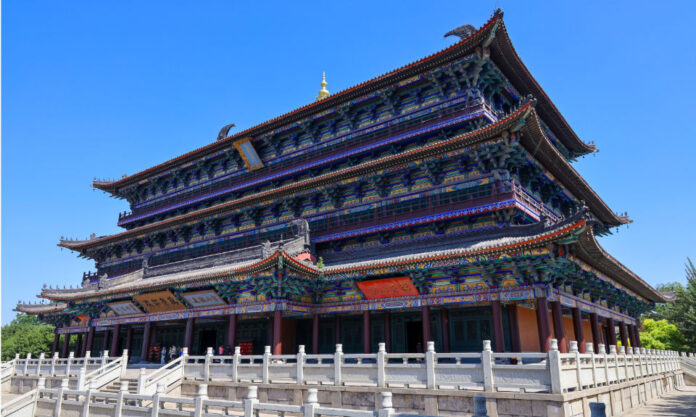



Cities where the old names still matter; Liaoyang is one of them. Baita District, Guangyou Temple, the White Pagoda, the Taizi River, and the Han-Wei mural tombs all sit close enough together that you can get a real first impression in a single day.
辽阳是那种老名字还很管用的城市。白塔区、广佑寺、白塔、太子河、汉魏壁画墓群,这几处挨得不远,足够你用一天先摸到这座城的底子。
The provincial profile calls Liaoyang the earliest established city in northeast China, with more than 2,300 years of history. It is also only about fifteen minutes by high-speed rail from Shenyang, so the old city and the commuter city sit closer together than the map suggests.
省里的介绍把辽阳说成东北地区建置最早的城市,历史超过2300年。它离沈阳又很近,高铁大约15分钟,所以这座老城和大城市的通勤圈,地图上看着远,实际并不远。
That is useful. You can spend the morning looking at stone and brick, have lunch, walk a river path in the evening, and still get back to the station without hurrying.
这点很实用。早上看石头和砖,午饭后继续走,傍晚再去河边散步,最后回车站,也不用太赶。
Old Stone and River Air
老石头和河风
The White Pagoda is the first thing most people mention, and the numbers explain why: 70.4 metres high, octagonal, thirteen storeys, and the tallest ancient pagoda in Liaoning. It stands in the same park system as Guangyou Temple, which the city tourism materials describe as a 4A scenic area and one of the earliest Buddhist temples in China.
白塔通常是人们先提到的地方,原因也很直接:高70.4米,八角十三层,是辽宁现存最高的古塔。它和广佑寺在同一片园区里,市里的文旅材料把广佑寺写成4A级景区,也说它是中国佛教最早出现的寺院之一。
The thing to do there is simple. Walk around Baita Park, step into Guangyou Temple, then stand back and look up at the tower again. It is enough. The place does not need much explanation to work.
这里该做的事很简单。先在白塔公园里走一圈,再进广佑寺,最后退几步回头看看白塔。这样就够了。这个地方不靠解释也成立。
The Han-Wei mural tombs are more scattered and less tidy. They lie along both banks of the Taizi River in the suburbs, and the better-known groups date from the Eastern Han through the Wei and Jin periods. You do not need a long speech in front of them; the paintings do the work themselves.
汉魏壁画墓群则散得多,也安静得多。它们分布在太子河两岸的郊区,较有名的几组年代从东汉一直到魏晋。站在它们面前不需要讲太长的话,壁画自己就够说事了。
The Taizi River is where the city feels most ordinary. The historical and cultural scenic belt runs for more than 50 kilometres in total, with a nine-kilometre urban section, and in the late afternoon it is mostly just a place to walk, sit, and watch the traffic loosen up.
太子河是辽阳最日常的地方。太子河历史文化风光带总长50多公里,市区段也有9公里,到了傍晚,它大多就是一个可以走路、坐着、看车流慢慢松下来的地方。
What to Eat, and How to Finish the Day
吃什么,怎么收尾
For food, start with Liaoyang ha-yu bingzi, then look for suancai guo, Baita bingsu bairou, and the other dishes that keep turning up in the provincial lists. You do not come here for showy plates. You come because the city still keeps a few things people actually order.
吃饭的话,先从辽阳哈鱼饼子开始,再找酸菜锅、白塔冰酥白肉,还有省里名单里反复出现的那些菜。你不是来这里吃摆盘的。你来这里,是因为这座城还留着几样人真的会点的东西。
If you want one more stop, Liaoyang Museum gives the city story a useful frame, especially if you have already seen the pagoda and the mural tombs. Otherwise, Baita Park, the river walk, and dinner are enough for a first day.
如果你还想再加一个点,辽阳博物馆很合适,尤其在看过白塔和壁画墓之后,会把这座城的故事串得更完整。要不然,白塔公园、河边散步和晚饭,作为第一天已经足够。
By rail, Liaoyang is straightforward. The west station building opened in 2025, the station area is active, and the city remains one of the easier places in central Liaoning to move through without too much planning.
交通上,辽阳很顺手。2025年西站房已经开通,火车站片区也一直在用,作为辽中部的城市,它还是那种不怎么费脑子就能走明白的地方。
A first visit does not need to be ambitious. White Pagoda in the morning, Taizi River in the afternoon, fish cakes and sour cabbage at night is already a decent day.
第一次来,不必贪多。上午看白塔,下午去太子河,晚上吃哈鱼饼子和酸菜锅,这已经是挺像样的一天了。