





Sea air, brewery foam and old masonry are the first things Qingdao offers, if you let them arrive in that order. The city’s best-known places sit close together; a pier, a hill, a German-built street pattern and the water always in view.
海风、啤酒泡沫和旧石头建筑,是青岛最先递出来的三样东西,顺序并不难找。它最出名的那些地方彼此靠得很近;一座栈桥、一座山、一片德式街区,还有始终在场的海。
From Zhanqiao to Badaguan
从栈桥到八大关
Zhanqiao is the city’s oldest postcard and still its neatest piece of self-presentation. The pier began as a military wharf, later became a civic landmark and now draws people who want a sea view with a bit of memory attached. Travel pages keep calling it the city’s “symbol of old Qingdao”; that phrase survives because it still feels right.
栈桥是青岛最老的明信片,也是它最整齐的一次自我展示。它起初是军用码头,后来成了城市地标,如今则吸引那些既想看海、又想顺手带走一点历史感的人。旅游页面仍常把它叫作“老青岛的象征”;这句话之所以还成立,是因为它至今仍然贴切。
Badaguan changes the mood without leaving the same district for long. It is the sort of place where streets, villas and trees do most of the talking. The area is widely described as a wedding-photography favourite, and the description is not forced; the place looks built for slow walking, soft light and people who have remembered their camera.
八大关则在不远处把气氛换了过来。这里像是街道、别墅和树木在替自己说话。它常被描述成婚纱摄影的热门地,这个说法并不勉强;这里本来就像是为慢走、柔光和记得带相机的人准备的。


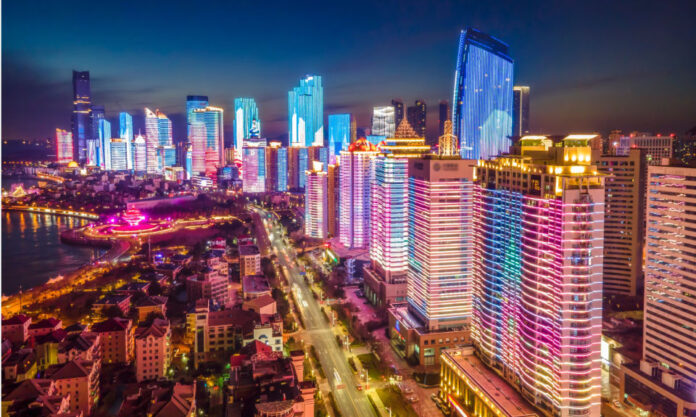
According to city and district material, Qingdao’s tourist map is dense rather than sprawling. Major attractions include Zhanqiao, Badaguan, the Catholic cathedral area, Mount Lao and the beer museum; the city’s own tourism pages and the way visitors write about it keep coming back to the same set of images. Zhanqiao is “the symbol of old Qingdao”, Badaguan is a “wedding photography centre” and the coast is the kind that “lights up at night”.
按照城市和区级资料,青岛的旅游版图不是铺得很散,而是密度很高。栈桥、八大关、天主教堂片区、崂山和啤酒博物馆一直是重点;城市自己的旅游信息和游客的写法也总会回到同一组画面。栈桥是“老青岛的象征”,八大关是“婚纱摄影中心”,海岸线则是那种“到了晚上会亮起来”的海岸。
Mount Lao and the City Beyond the Shore
崂山与海岸之外的青岛
Mount Lao gives Qingdao its other face. It is higher, steeper and less interested in the city’s polished seafront image. The mountain’s Taoist temples and hiking routes pull the city outward, away from the old centre and towards a more open eastern edge. Qingdao works because it can sell both the shore and the climb.
崂山给了青岛另一张脸。它更高、更陡,也不太理会这座城市那套光洁的海岸线形象。山上的道观和徒步路线把城市向外拉,带离老城区,推向更开放的东部边缘。青岛之所以成立,是因为它既卖得出海边,也卖得出登山。
The port matters just as much. Qingdao is still a working port city, not just a scenic one, and that practical edge helps explain its confidence. Ships, containers, rail links and beer all belong in the same sentence here. The city is too busy to pretend otherwise.
港口同样重要。青岛仍然是一座在运转中的港口城市,而不只是景观城市;这份务实感也解释了它为什么总显得很有底气。船、集装箱、铁路和啤酒,在这里都能放进同一句话里。它太忙了,没空装模作样。


That busyness has a modern transport backbone. Qingdao is linked to Jinan by the Jiaoji passenger line in about 2.5 hours, and the fastest direct high-speed services to Beijing North or Beijing South run in just over three hours. On the coast, that kind of time is not trivia; it is part of how the city sells itself to business, students and weekend visitors alike.
这种忙碌背后有现代交通作支撑。青岛通过胶济客运专线到济南大约2.5小时,直达北京南或北京北的最快高铁则只要三小时出头。对一座沿海城市来说,这种时间不是小事;它就是面向商旅、学生和周末游客的城市卖点之一。
Qingdao also has the kind of food and drink story that cities with weaker identities usually spend years trying to invent. Beer is not a mascot here by accident. It is a brand, a factory history and a festival culture all at once. Add seafood, and the city starts sounding less like a slogan and more like a routine that works.
青岛还有一种不少城市要花很多年才拼得出来的饮食故事。啤酒在这里当然不是偶然的吉祥物。它既是品牌,也是工厂史,还是节庆文化。再加上海鲜,青岛就不再像一句口号,而更像一套真能运转的日常。
Qingdao is the kind of place that keeps its best-known scenes close to the sea and its strongest arguments in plain sight. That is useful. A city with a good pier, a real mountain and a functioning port does not need to push too hard.
青岛就是这样一种城市;它把最知名的景点放在海边,把最有力的理由放在明处。这样反而更有用。一座既有好栈桥、真高山、又有正常运转港口的城市,本来就不必太用力推销自己。