



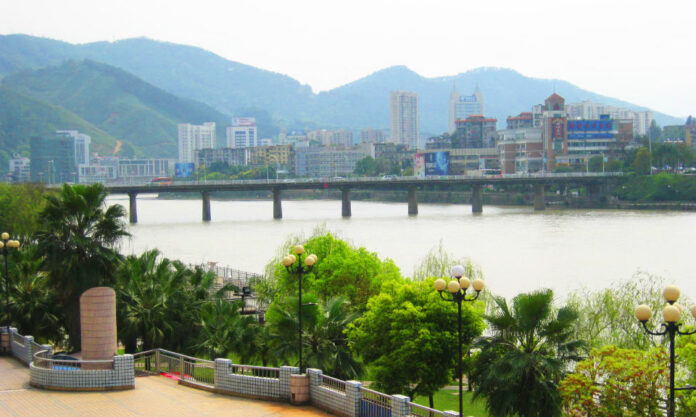



Southwest Fujian gives Sanming a hard-to-mistake shape. Mountains press in, rivers split and rejoin, and the city keeps finding ways to live with both. It is a place of red history, green cover and snack counters that seem to know the district before the district knows itself.
闽西北把三明的轮廓勾得很清楚。山势压着城市,河流分开又合拢,而这座城也总能在这种地形里找到自己的活法。这里有红色历史、绿色林海,也有那些像是比街区更早认识街区的小吃摊。
According to Sanming municipal government material, the city covers about 23,000 square kilometres and has 11 counties, county-level cities and districts. The same official profile says Sanming is known as the “Hakka ancestral land”, the home of Shaxian snacks and the site of major places such as Wan寿岩 and Dajin Lake. In 2024, the city’s GDP reached ¥292.294 billion, with services accounting for 44.6 percent and secondary industry 42.6 percent.
三明市政府资料显示,这座城市面积约2.3万平方公里,下辖11个县、市、区。同一份官方简介还提到,三明有“客家祖地”之称,是沙县小吃的故乡,也拥有万寿岩、大金湖等重要地点。2024年,三明地区生产总值达到¥2922.94亿元,第三产业占44.6 percent,第二产业占42.6 percent。
The same official profile also gives Sanming its most durable label as a “Chinese green city”. Forest cover stands at 77.12 percent; air, water and soil quality have long been ranked among the country’s better performers. That is not just a slogan to pin to a gate; it is the reason the city can talk about tourism, ecology and industry in the same breath without sounding forced.
官方简介里,三明还有一个很耐用的称呼,就是“中国绿都”。全市森林覆盖率达到77.12 percent,空气、水和土壤质量长期保持在全国前列。这不是挂在城门上的口号;它也是三明能够把旅游、生态和产业放在同一句话里谈而不显得别扭的原因。
Red Ground that Still Feels Current
红色底色到今天还在发亮
Sanming’s red history is not a side note. The city belongs to the old Central Soviet Area; it was one of the core places behind the phrase Mao Zedong used when he wrote of “red flags unfurled like paintings”. Red Army routes, wartime supply lines and the memory of sacrifice remain part of the local story, but they sit alongside more ordinary things now, school runs, snack shops and office commutes.
三明的红色历史并不是附注。这里属于原中央苏区,也是毛泽东写下“风展红旗如画”那片核心区域的一部分。红军线路、战时补给和牺牲记忆仍然构成地方叙事的一部分,但今天它们又和更日常的东西并排摆在一起,比如上学路、早餐店和通勤。
Wan寿岩 gives that history a much older frame. Fujian provincial cultural material describes it as one of the province’s earliest discovered sites of ancient human activity; local officials call it “闽人之源” and “南方周口店”. The point is not just that people were here early; it is that Sanming has learned to treat deep time as part of its present tense.
万寿岩则把这段历史再往前推了很多。福建省文物部门的资料把它描述为福建最早发现的古人类活动遗址之一,当地则称它为“闽人之源”和“南方周口店”。重点不只是这里很早就有人活动,而是三明已经学会把这种深时间也当成今天的一部分来使用。
Shaxian Snacks, and the Habit of Turning Food into Identity
沙县小吃,以及把食物做成身份的本事
Sanming is impossible to discuss without Shaxian snacks. A Trip.com review of one well-known snack shop called the food “well-known” and said the most down-to-earth places were the simplest ones. Another online comment went even further, noting that “Shaxian snacks have never left Shaxian”, a line that says as much about branding as it does about appetite.
一提三明,就绕不开沙县小吃。Trip.com上一条关于一家知名小吃店的评价,直接把它称作“well-known”,还说最接地气的往往是最朴素的那几家。另一条评论说得更直白,意思是“沙县小吃从来没有离开过沙县”,这句话说的既是胃口,也是品牌。
That joke works because the industry is real. Sanming has turned noodles, dumplings, wontons and steam baskets into a city name recognised far beyond Fujian. But the appeal remains local at heart; a bowl of mixed noodles or a basket of steamed dumplings still feels like lunch first and export strategy second.
这个玩笑之所以成立,是因为产业本身是真的。三明已经把拌面、扁肉、馄饨和蒸笼做成了远远超出福建的城市名片。但它的吸引力骨子里还是本地的;一碗拌面、一笼蒸饺,先像午饭,后才像战略。
Dajin Lake, Taining and a City that Knows How to Sell Scenery
大金湖、泰宁和一座很会卖风景的城
The scenery outside Shaxian gives Sanming another register. Taining County brings Dajin Lake, Shangqing Stream and the Danxia landscape that helped put the area into the national world heritage story. Local tourism pages lean on the same practical selling point every time; boat rides, red cliffs, quiet water and a day trip that feels longer than the map suggests.
沙县以外的风景,又给了三明另一种说法。泰宁带来大金湖、上清溪和丹霞地貌,也把这片地方推入了世界遗产叙事。当地文旅页面的卖点常常都很实际,坐船、红崖、静水,还有一种会让行程看起来比地图更长的游法。
Visitors tend to talk about the same thing after they leave; the lake is not just pretty, it is orderly. The cliffs are severe enough to be memorable, the water is calm enough to slow people down and the whole county seems to know how to let tourists breathe without making them feel managed.
游客离开后常说的也差不多;湖不只是好看,而且很有秩序。山崖够峻,能留下记忆;水面够静,能把人的节奏放慢;而整个县似乎都知道怎么让游客松一口气,又不至于让人觉得被安排得太满。
Rail, Air and the City’s Practical Exit Routes
铁路、航空和三明的实用出口
Sanming is easier to reach than its mountain image suggests. Sanming Shaxian Airport now links the city with Beijing, Shanghai, Chongqing, Guangzhou, Chengdu, Xiamen, Nanjing and other major cities; in 2023 it handled 3026 flights and 328,700 passengers. Rail also matters. Current timetables show Sanming North to Fuzhou South in about 1 hour 27 minutes, and to Xiamen North in about 2 hours 2 minutes.
三明比山城形象看起来更容易到达。三明沙县机场如今已经和北京、上海、重庆、广州、成都、厦门、南京等主要城市连通;2023年保障运输航班3026架次,旅客吞吐量32.87万人次。铁路同样关键。现行时刻表显示,三明北到福州南大约1小时27分,到厦门北大约2小时2分。
That makes Sanming feel less like a closed valley and more like a place with working exits. The city’s forests, red memory and snack economy all matter, but the real trick is that they sit beside one another without fighting for the same frame. Sanming keeps its parts separate enough to stay legible and close enough to feel like one place.
这也让三明不再像一座封闭山谷,而更像一个有实际出口的地方。森林、红色记忆和小吃经济都重要,但真正厉害的是,它们彼此并不争抢同一个画框。三明把各部分放得足够开,所以还看得清;又靠得足够近,所以仍然像同一个地方。