






Get out to the reed edge and Panjin makes more sense. The city lies flat in the Liaohe Delta, so wind has room to move. Wind has room here, which is a small thing but the right one.
盘锦最好是到了芦苇边上再看。它平平地铺在辽河三角洲上,风能一路过去,几乎没有什么东西挡着。风在这里真的有地方可去,这一点不大,但很对。
If you arrive too early, the colour is still green. Come back later in the season and the red beach is red because the Suaeda salsa has turned. It is not sand at all, just the wetland doing what it does at the right time.
去早了,还是绿的。过一阵子再来,红海滩才会红起来,因为碱蓬已经变色了。那并不是沙滩,就是湿地在对的时节换了颜色。
According to the city profile, Panjin sits in southwest Liaoning at the centre of the Liaohe Delta. It has 124.15 kilometres of coastline and 4,062.34 square kilometres of land. The wetlands host 324 bird species, and migratory birds pass through in the millions.
盘锦市情简介里写得很清楚:它在辽宁西南部,处在辽河三角洲中心地带。海岸线124.15公里,陆地面积4062.34平方公里。湿地里有324种鸟,迁徙季过境的候鸟是按百万算的。
Reeds and Harvest
芦苇与稻田
Most visitors are really aiming for the Liaohe estuary wetland. Birdwatchers come in migration season, photographers come for the colour, and black-faced gulls and red-crowned cranes give the place its own tempo. By the ticket gate, the air smells like sunscreen and wet shoes.
多数游客最后还是会去辽河口湿地。看鸟的人赶迁徙季,拍照的人赶颜色,黑嘴鸥和丹顶鹤在那儿有自己的节奏。到检票口那边,空气里就是防晒霜和湿鞋味。
From a distance the wetland looks calm. Up close, tides push through the channels, birds lift in bursts, and the reeds bend down and stand up again.
远看它很静,走近了就不是那么回事。潮水往潮沟里推,鸟群一拨拨飞起来,芦苇伏下去,又慢慢立回来。
Rice matters here in a very ordinary way. Once you drive inland, the paddies catch the sky and the whole plain starts looking layered, with water, stems and light sitting on top of each other. Panjin rice is not a slogan; it is what people grow, dry, load, and take home.
稻田在盘锦不是装出来的景。你只要往里开一段,就能看见水田把天光兜住,整片平原像叠了几层,水、秧苗和光都压在一起。盘锦大米在这里也不是口号,是人真种、真晒、真装车往家里拉的东西。
Oil is still there too. A few turns away from the wetland roads, oil-worker blocks, noodle shops, hardware stores and the odd karaoke sign fill the side streets. That is the part of Panjin you actually live in.
油这一边也一直都在。离开湿地公路再拐几下,油田家属楼、面馆、小五金店,还有零零碎碎的 KTV 招牌,就把支路占满了。那才是人真住、真过日子的盘锦。
The cleaner parts of the city are only cleaner in the sense that they are more polished. The oilfield does not disappear; it just sits farther back, under the roads and behind the newer facades.
城里那些看着更整一点的地方,也只是更修饰过一点。油田并没有不见,它只是退到后面去了,在路网下面,在新一点的外立面后面。
Food and Getting Around
吃饭和出行
Food here is blunt and local. Panjin river crab and Panjin rice are the obvious pair, but crab tofu, rice crust and a plain fish dish are what people remember after the first meal. The menus do not need much explanation, and neither does the food.
盘锦的吃法很直接。盘锦河蟹和盘锦大米当然最显眼,但真正让人记住的,往往是河蟹豆腐、大米嘎巴和一条做法很简单的鱼。菜单不用解释太多,菜也不用。
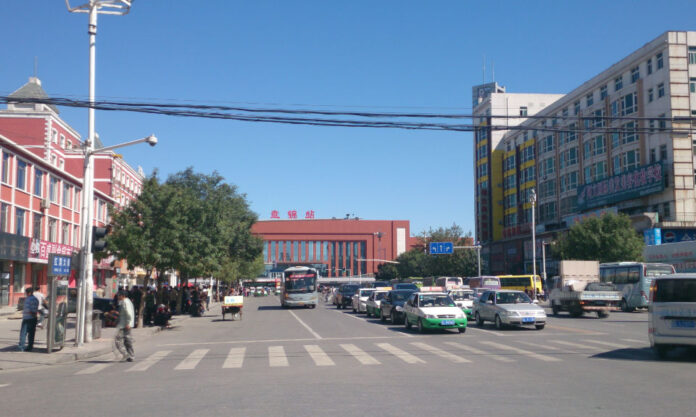
Panjin Station and Panjin North handle the rail side. After that it is buses, taxis, and the road out to the wetlands. The city is so flat that you only notice distance when the land starts opening out again.
盘锦站和盘锦北站负责铁路这一头。出了站以后,还是公交、出租车,再往外就是去湿地的路。这里太平了,往往要等到地面又一层层铺开,你才会意识到自己其实走了很远。
At dusk, the red goes dark first, then the mud, and the boardwalk is a little longer on the way back.
到了傍晚,先暗下去的是那片红,再往后是泥。回去走木栈道时,总觉得比来时长了一截。