



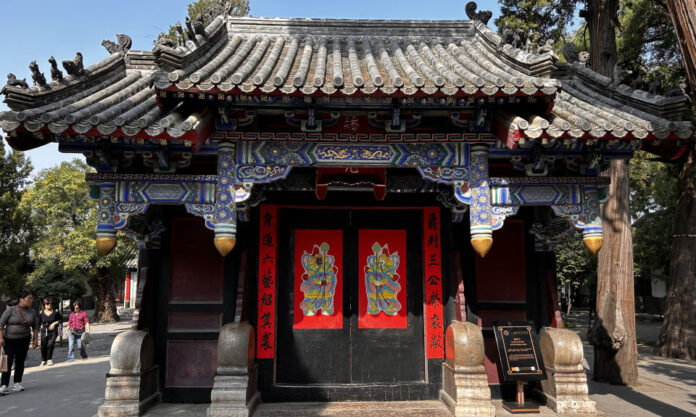



Jining is one of those Shandong cities that does not shout first and explain later. It has weight because of what it contains: Confucius and Mencius country, canal heritage, lake country and a commercial city that has spent centuries learning how to sit between ideas and trade.
济宁不是那种先喊后解释的城市。它之所以有分量,是因为它装着很多东西:孔孟之乡、大运河遗产、湖区地带,以及一座几个世纪以来都在学习如何在思想与生意之间站稳的城市。
The city’s history is not decorative. It is made of places and names that still matter. Qufu and Zoucheng give Jining its Confucian gravity; the Grand Canal gives it movement; the southern lake country gives it breadth. Put together, they make a city that feels both scholarly and practical.
它的历史并不只是装饰性的。这里的地名和地点至今仍然重要。曲阜和邹城给了济宁儒家气质;京杭大运河给了它流动性;南部湖区则给了它开阔感。合在一起,这座城既有书卷气,也有实用性。
Chinese reference material and local cultural pages show Jining as a city where Confucian memory and canal memory sit side by side. The city’s own cultural institutions give that balance a physical shape, from the former site of the river governor’s office to the protected canal relics and the old streets around the urban core.
中文参考材料和地方文化页面都把济宁呈现为一座让儒家记忆和运河记忆并排而立的城市。当地文化机构也把这种平衡落成了具体地点,从河道总督署遗址,到受保护的运河遗存,再到城市核心区的老街区。



Confucius, Mencius; a City of Moral Geography
孔子、孟子与一座有道德地理的城市
Jining’s strongest claim is that it sits at the centre of China’s Confucian imagination. Qufu, within the wider Jining area, is the birthplace of Confucius; Zoucheng is the home city of Mencius. That matters because these are not just tourist labels. They are the backbone of a whole cultural map.
济宁最强的名片,是它处在中国儒家想象的中心。曲阜属于济宁辖区,是孔子的诞生地;邹城则是孟子的故里。关键在于,这些并不只是旅游标签,它们构成了一张完整文化地图的骨架。
Confucian sites around Jining have turned philosophy into architecture. The Qufu temple complex, the Kong family mansion and the Kong family cemetery create a three-part sacred landscape that still pulls visitors, students and ritual participants. In nearby Zoucheng, the Mencius Temple, the Mencius Mansion and the Mencius Forest create a parallel world of memory.
济宁周边的儒家遗址,把哲学变成了建筑。曲阜的孔庙、孔府和孔林构成了三位一体的圣地景观,至今仍吸引游客、学子和礼仪参与者。邹城附近的孟庙、孟府和孟林,则构成了另一套并行的记忆世界。
That gives the city a rare sort of authority. Many cities in China have heritage; few have a heritage that still helps define the country’s idea of proper conduct, family order and education. Jining lives inside that larger argument every day.
这让这座城市拥有一种少见的权威感。中国很多城市都有文化遗产,但很少有城市拥有一种仍然在塑造国家对于礼、家和教育理解的遗产。济宁每天都生活在这场更大的讨论里。
The local mood is not frozen in the past, though. Jining has also become a modern regional centre for logistics, manufacturing and agriculture. That practical layer matters because it keeps the city from becoming only a shrine. It remains a working place with markets, roads and districts that need to function.
不过,这座城市并没有被历史冻住。济宁如今也是一个现代区域中心,兼具物流、制造和农业功能。这层实用属性很重要,因为它避免了城市只剩“圣地”这一种身份。它仍然是一座要运转、要交易、要通路的城市。


Canals, Lakes and a City that Knows the Value of Water
运河、湖泊与一座懂水价值的城市
Water is the other half of Jining’s story. The Grand Canal runs through the city and still defines its sense of direction. In Chinese historical memory, Jining was one of the key canal hubs; the old river governor’s office site in the city centre is a strong reminder that water here was once administrative power as well as transport.
水是济宁故事的另一半。京杭大运河穿城而过,至今仍在塑造它的方向感。在中国历史记忆里,济宁曾是重要的运河节点;市中心的河道总督署遗址清楚提醒人们,这里的水曾经既是运输通道,也是行政权力。
The canal heritage still gives Jining texture. Old bridges, canal remains and urban districts tied to river traffic all speak to a city shaped by movement. This is not a place that had to invent a water identity. It inherited one, then kept using it.
运河遗产至今仍给济宁带来层次感。老桥、运河遗存和与河运相关的城区,都在说明这是一座被流动塑造的城市。它并不是后来硬凑出“水城”身份的地方;它本来就有,然后一直在使用。
South of the city, the lake country adds another scale. The Nansi Lake system, with its broad waters and low-lying landscape, makes Jining feel wider than a map suggests. It also links the city to flood control, shipping and ecology in ways that are still politically and economically important.
在城市南部,湖区又提供了另一种尺度。南四湖水系水面开阔、地势低平,让济宁在地图上显得比实际更辽阔。它也把这座城市和防洪、航运、生态联系起来,而这些至今仍有政治和经济意义。
Jining is the sort of city where a museum, a temple and a canal site can all belong to the same sentence without sounding forced. That is because the city has never been one thing alone. It has always been a meeting point.
济宁是一座博物馆、庙宇和运河遗址可以自然出现在同一句话里的城市。原因很简单:它从来都不只是一个身份。它一直是一个交汇点。
Transport keeps that meeting point alive. Jining is served by Jining Dazhuang Airport, Jining railway station and Jining North station, while the wider rail network links the city to Jinan, Qufu, Zoucheng, Xuzhou and the broader canal corridor. In a city built on connection, that is exactly as it should be.
交通让这个交汇点继续活着。济宁由济宁大安机场、济宁站和济宁北站服务,更大的铁路网络则把它与济南、曲阜、邹城、徐州以及更广阔的运河通道连在一起。对于一座靠连接而生的城市来说,这正合适。
Jining works because it does not force its identities into competition. Confucius and canals, temples and trucks, memory and motion all belong here. That is a rare balance, and it is why the city still feels larger than the sum of its parts.
济宁之所以成立,是因为它没有让自己的身份彼此打架。孔子与运河、庙宇与货车、记忆与流动,都属于这里。这种平衡很少见,也正因如此,这座城市总显得比各部分之和更大