- Unexpected Journey: A fiery university essay led to a cultural exchange in China, sparking a decade-long adventure filled with discovery and adaptation.
- Cultural Immersion: From Beijing’s history to Chengdu’s spice, Xi’an’s ancient walls, and Shanghai’s modernity, China offered a blend of awe and challenge.
- Life in China: Early struggles with smog, teaching, and homesickness were balanced by small joys—students’ laughter, street food, and misty mountain hikes.
- A Decade Later: Now rooted in China, married, and embracing local life, the author reflects on belonging as a series of leaps into the unknown.
“Why did you come to China?”
“你为什么来中国?”
It’s a question I’ve been asked countless times over the past decade, by students, friends and strangers alike. The answer, like the country itself, is a tapestry of contradictions: equal parts serendipity, rebellion and a hunger for the unknown.
在过去的十年里,学生、朋友和陌生人都问过我无数次这个问题。 答案和国家本身一样,是一幅矛盾的挂毯:偶然、叛逆和对未知的渴望等分。
Rewind to 2014. There I was, a final-year university student in the UK, scribbling a fiery critique of my university’s Eurocentric English and History curriculum. Little did I know that scathing essay would become my golden ticket to Sichuan University’s cultural exchange programme. My argument? Simple; I knew almost nothing about China, and that faraway, mystical land had barely graced my education. That, I declared, was precisely why I needed to go.
倒退到2014年。 在那里,我是一名英国大学最后一年的学生,对我大学的欧洲中心主义英语和历史课程进行了激烈的批评。 我不知道这篇悥傥的文章会成为我参加四川大学文化交流项目的金票。 我的论点? 很简单;我对中国几乎一无所知,那片遥远的神秘土地几乎没有装饰过我的教育。 我宣称,这正是我需要去的原因。
The irony? My housemates; far more qualified, in their eyes; had also applied. When they didn’t make the cut, those friendships crumbled and turned stale. But as I boarded my first long-haul flight; the farthest I’d ever strayed from home; I felt no guilt, only the electric anticipation of an adventure of a lifetime.
讽刺? 我的室友;在他们眼中,更合格;也申请了。 当他们没能成功时,这些友谊就崩溃了,变得陈旧了。 但是,当我登上我的第一次长途航班时;这是我离家最远的一次;我没有感到内疚,只对一生的冒险充满期待。
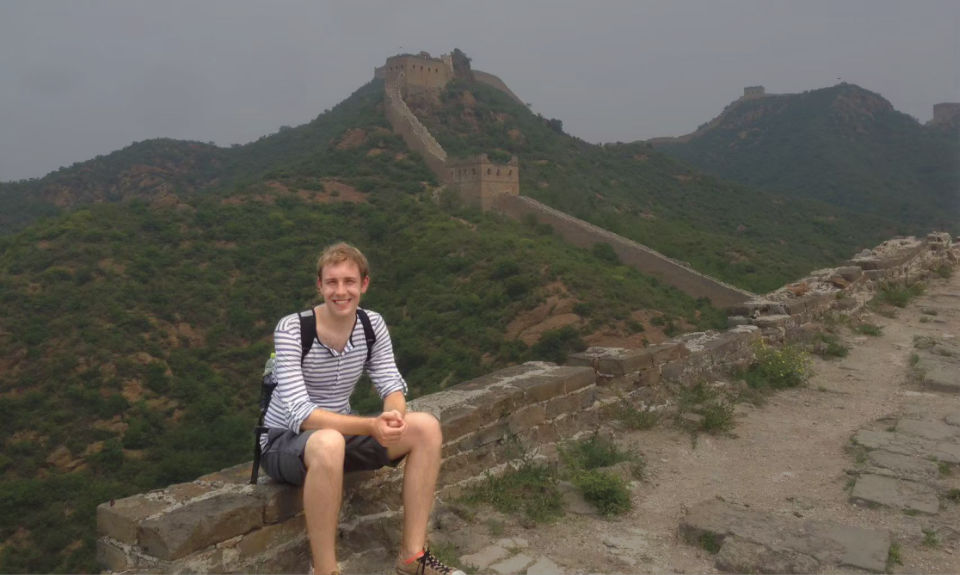
China greeted me like a slap of Sichuan peppercorns: thrilling, disorienting, and impossible to forget. Beijing was my first stop, and it felt like stepping into a living history book. Beijing’s imperial grandeur left me breathless, the Forbidden City’s crimson gates loomed like portals to another era, while the Great Wall snaked across mountains, daring me to imagine the centuries of footsteps that had worn its stones smooth.
中国像四川胡椒粒一巴掌一样迎接我:惊心动魄、迷失方向,让人难以忘懷。 北京是我的第一站,感觉就像踏入一本活生生的历史书。 北京的皇家宏伟让我喘不过气来,故宫的深红色大门像通往另一个时代的门户一样若隐若现,而长城蜿蜒穿过群山,让我敢想象几个世纪的脚步声,这些脚步声使它的石头变得光滑。
Then came Chengdu, the spice capital of the world. In between the cultural exchange programme events, I remember my first encounter with hot pot was less of a meal and more of a baptism by fire.
然后是世界香料之都成都。 在文化交流项目活动之间,我记得我第一次接触火锅与其说是一顿饭,不如说是火洗礼。
I remember sitting at a crowded table of university students, my face flushed, tears streaming down my cheeks as I braved my first taste of mala broth.
我记得我坐在一张拥挤的大学生桌子旁,当我第一次尝到马拉肉汤时,我的脸涨得通红,眼泪顺着脸颊流下来。
The Sichuan University students laughed,not unkindly, and handed me a tissue. It was my first lesson in the warmth and hospitality that would come to define my time in China.
四川大学的学生笑了,并不不友好,递给我一张纸巾。 这是我第一次学到的热情和好客,这将决定我在中国的时光。
Xi’an was our next stop, with its ancient city walls and the awe-inspiring Terracotta Warriors. I’ll never forget the surreal feeling of cycling atop those walls, the wind in my hair, the history beneath my wheels. And then there was our final destination: Shanghai, a city that felt like I’d stepped into the future. The neon rivers flowed beneath skyscrapers that whispered of futures I couldn’t yet imagine.
西安是我们的下一站,那里有古老的城墙和令人敬畏的兵马俑。 我永远不会忘记在那些墙壁上骑自行车的超现实感,我头发上的风,我车轮下的历史。 然后是我们的最终目的地:上海,一座城市,我好像踏入了未来。 霓虹河流在摩天大楼下流淌,低语着我无法想象的未来。
For 4 weeks, I ricocheted between awe and overload. Backpacking and travelling veterans in our university group swapped tales of European hostels and adventures, while I, a wide-eyed newbie, soaked it all in. By the time we flew home, I was irrevocably changed.
4个星期以来,我在敬畏和超负荷之间弹跳。 我们大学小组的背包旅行和旅行老手们交换了欧洲旅馆和冒险的故事,而我,一个睁大眼睛的新手,沉浸在其中。 当我们飞回家时,我发生了不可挽回的改变。
Reality hit hard post-graduation. No postgraduate studies lined up, no plan, and a firm aversion to teaching in UK state schools; just a gnawing restlessness. Sitting in a pub with my parents, still clad in my graduation gown, I blurted out a half-baked idea I’d been nursing since returning from China: “What if I teach in China… for six months?” Their response? A grin and a challenge: “Why not stay longer?”
毕业后,现实受到了沉重的打击。 没有研究生学习,没有计划,对在英国公立学校教书的坚决厌恶;只是一种啃咬的不安。 和父母坐在酒吧里,仍然穿着毕业礼服,我脱口而出一个从中国回来后一直在培养的半生不熟的想法:“如果我在中国教书……六个月呢?” 他们的回应? 微笑和挑战:“为什么不多呆一会儿呢?”
10 years later, I’m still here.
10年后,我仍然在这里。
Let’s be clear: this isn’t a fairy tale. My early years in Chengdu were a crash course in adaptation. Those first winters were brutal, not just for the cold but for the smog that blanketed the city like a thick, grey quilt. I remember days when I couldn’t see the building across the street from my apartment, let alone the sun. It was isolating, a stark reminder of the trade offs I’d made for this new life.
让我们说清楚:这不是童话故事。 我在成都的早年是适应的速成课程。 那些第一个冬天是残酷的,不仅因为寒冷,而且因为烟雾像厚厚的灰色被子一样笼罩着城市。 我记得那些日子,我看不到公寓街對面的大樓,更不用說太陽了。 这是孤立的,严酷地提醒我为这个新生活所做的权衡。
Work burnout left me questioning my choices, needless to say, my very first day of teaching fell on one of those dreaded Saturday make-up days; a concept I hadn’t even known existed. I stood in front of a classroom of sceptical teenagers, a battered copy of some textbook clutched in my hands, and I wondered what on Earth I’d got myself into. There were days when the workload felt overwhelming, when the cultural differences left me feeling like an outsider, and I remember when the homesickness hit like a tidal wave on that very first Christmas away from home.
工作倦怠讓我質疑自己的选择,不用說,我第一天的教学是在那些可怕的周六補上;我甚至不知道存在的概念。 我站在一个由持怀疑态度的青少年组成的教室前,手里拿着一本破旧的教科书,我想知道我到底陷入了什么。 有些时候,工作量让人不知所措,文化差异让我觉得自己像个局外人,我记得在离开家的第一个圣诞节,思乡之情像海啸一样袭击。
Little needs to be mentioned about what happened from January 2020 onwards. Yet, even on the toughest days, that initial spark; the thrill of stepping off the plane into Beijing’s cacophony for the first time; still flickers through my memories. I quickly learned to find joy in the small things: the laughter of my students when I butchered a Chinese phrase, the warmth of a street vendor’s smile as she handed me a steaming baozi on my morning commutes, the quiet beauty of a misty morning on a mountain hike.
关于2020年1月以后发生的事情,几乎不需要提及。 然而,即使在最艰难的日子里,最初的火花;第一次下飞机进入北京的不和谐的快感;仍然在我的记忆中闪烁。 我很快就学会了在小事中寻找快乐:当我屠宰一个中文短语时,我的学生们的笑声,当我早上通勤时,街头小贩递给我一个热气腾腾的包子时,我的微笑的温暖,在山上徒步旅行中雾濼濼的早晨的宁静之美。
These days, my life is soundtracked by unexpected rhythms. I’ve swapped the Southwest of China for the south of the Yangtze. Ten years on, my hair might be thinner, my baggage heavier, but the wonder? Still intact.
这些天,我的生活被意想不到的节奏所配乐。 我把中国西南部换成了长江以南。 十年过去了,我的头发可能会变薄,我的行李可能会更重,但奇迹是什么? 仍然完好无损。
That initial leap of faith; the decision to trade textbooks for street food stalls and gloomy seminar rooms for misty mountain hikes; was the right one. Over the years, I’ve learned to navigate the complexities of life in China with a mix of resilience and humour. I’ve celebrated Spring Festival with my wife; her family welcoming me like one of their own. I’ve mastered the art of haggling in Mandarin (sort of), and I discovered early on that KTV is the great equaliser, whether you’re belting out something from The Lion King or a classic Chinese ballad.
最初的信心飞跃;用教科书换街头小吃摊和阴沉的研讨会室换取雾山徒步旅行的决定是正确的。 多年来,我学会了以复原力和幽默的方式驾驭中国生活的复杂性。 我和妻子一起庆祝春节;她的家人像欢迎自己的家人一样欢迎我。 我已经掌握了用普通话(有点)讨价还价的艺术,我很早就发现KTV是一个伟大的均衡器,无论你是唱《狮子王》还是中国经典民谣。
So, why China? Maybe it’s the way a steaming pot of spicy oil can feel like home. Or how a 2,000-year-old wall can make your Sunday stroll feel trivial. Or perhaps it’s the quiet revelation that “belonging” isn’t a place, but a series of leaps into the unknown.
那么,为什么是中国? 也许这就是一锅热气腾腾的辣油可以像家一样的感觉。 或者一堵有2000年历史的墙如何让你的周日散步变得微不足道。 或者也许是悄无声息的启示,“归属”不是一个地方,而是一系列向未知的飞跃。
10 years in, I’m still taking those leaps. And honestly?
10年过去了,我仍然在飞跃。 老实说?
I wouldn’t have it any other way.
我别无他法。