



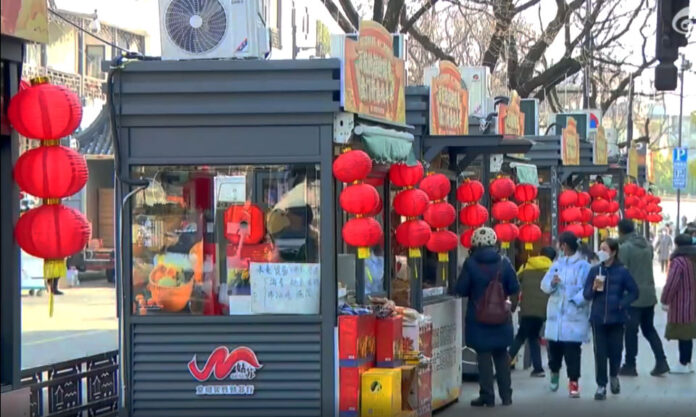



Noticed a change in the urban landscape? Not additions thereto, but rather the absence of structures which were, until recently, a disconcerting reminder of COVID. That’s right, those nucleic-acid testing points.
注意到城市景观的变化了吗?不是增加,而是缺乏结构,直到最近,这些结构仍然令人不安地提醒人们注意新冠病毒。没错,就是那些核酸检测点。
Assuming one testing booth for every 5,000 people, China now has almost 300,000 nucleic-acid test (NAT) booths going spare. And as it turns out, in some cases, they are free to a good home. Even better, they come in a range of styles and sizes.
假设每5000人拥有一个检测室,中国目前还有近30万个核酸检测室闲置。事实证明,在某些情况下,他们可以自由地找到一个好家。更好的是,它们有多种款式和尺寸。
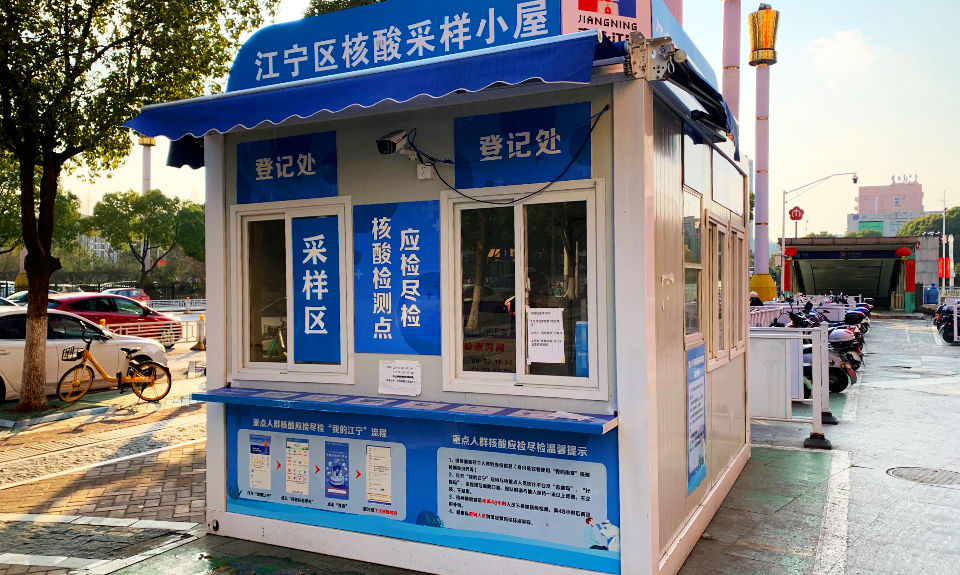
Jiangning District is Nanjing’s largest and most populous district. It also generates the largest GDP. Therefore, the local government is sufficiently flush to have been able to splash out on a variety of testing points.
江宁区是南京面积最大、人口最多的区。它还创造了最大的GDP。因此,当地政府有足够的资金来建设各种检测点。
Some resembled glorified Portakabins. Others were not far off the size of small shipping containers.
有些类似于被美化的波卡宾斯。其他的则与小型集装箱的大小相差不远。
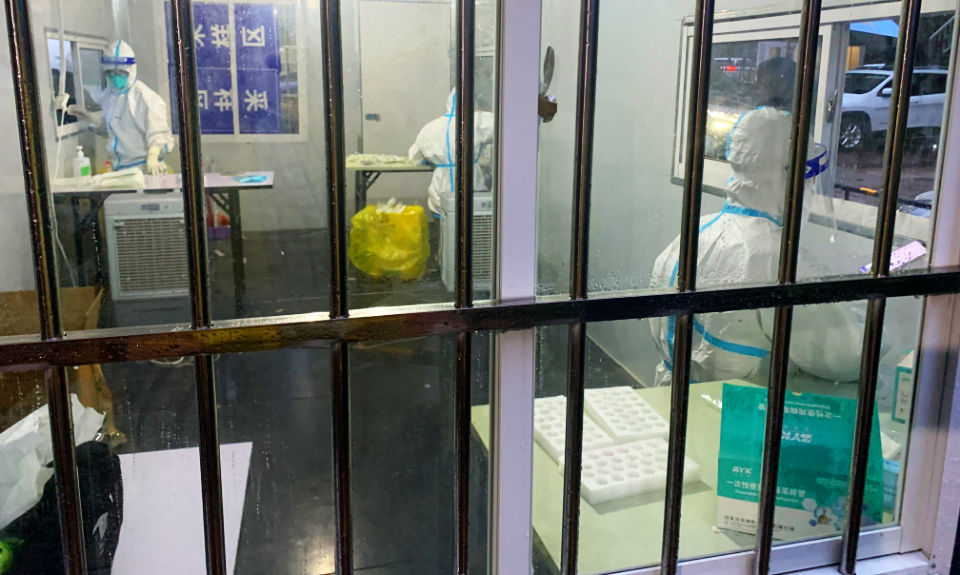
Therein, multiple rooms in some cases, as well the ability to conduct simultaneous tests out of both sides of the booth.
其中,在某些情况下需要多个房间,并且能够在展位两侧同时进行测试。
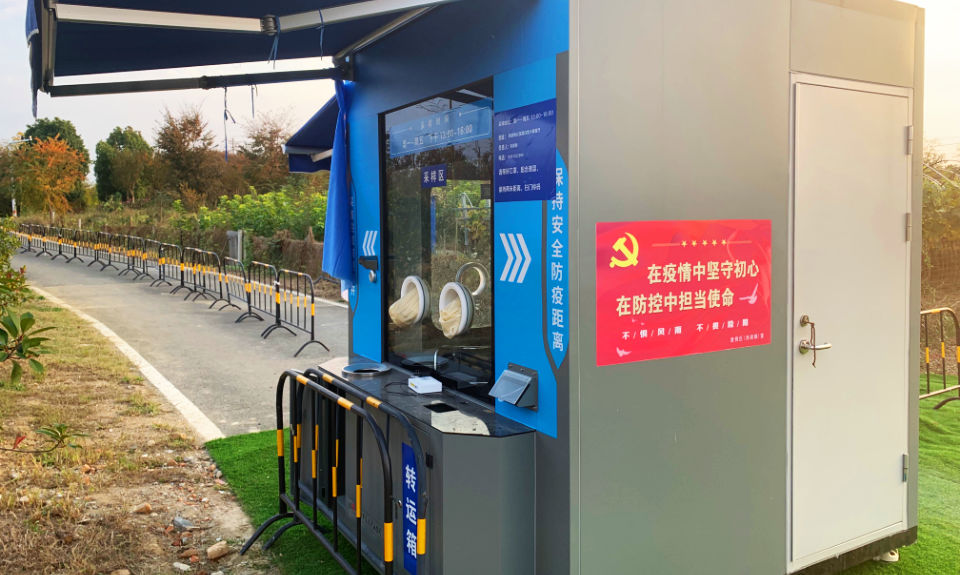
Not the case elsewhere. Back in November, this correspondent had the pleasure to come across by accident that which was arguably China’s cutest nucleic-acid testing point.
其他地方则不然。早在11月份,记者就有幸偶然发现了这个可以说是中国最可爱的核酸检测点。
Baita Village falls under the jurisdiction of Yixing in Wuxi City of Jiangsu Province. It’s a place with ambitions to shed stereotypes of the Chinese countryside.
白塔村隶属江苏省无锡市宜兴市管辖。这是一个雄心勃勃地摆脱对中国乡村的刻板印象的地方。
Apparently, those desires even extended to the Village’s NATs. Complete with all the mod cons, the Baita Village testing point (there was only one, pictured below) even had a carpet laid out to welcome VIP village “guests”, i.e. everyone.
显然,这些愿望甚至延伸到了村庄的 NAT。现代化设施一应俱全,白塔村测试点(只有一个,如下图所示)甚至还铺了一块地毯,欢迎VIP村的“客人”,即所有人。
But now that it’s all over, those booths have up and down the land started disappearing from the landscape. And not a moment too soon. But what’s happened to them all?
但现在一切都结束了,那些遍布土地的摊位开始从景观中消失。而且现在还不算太早。但他们都发生了什么?
That’s a question answered in part by a recent development a bit more to the east in Suzhou, where such small (and admittedly somewhat less cute) booths have been rounded up and put to good use.
苏州最近的一个开发项目在一定程度上回答了这个问题,那里如此小的(而且确实有点不那么可爱)摊位已经被围起来并得到了很好的利用。
As the Yangtze Evening News reports, a Spring Festival Fair in the Nanmen Commercial Area got underway on 16 January. Therein, 30 idle NAT booths have been repurposed for merchants to use free of charge as booths for the duration of the promotion.
据扬子晚报报道,1月16日,南门商圈春节集市拉开帷幕。其中,30个闲置的NAT展位已被重新利用,供商户在促销期间免费用作展位。
Lasting until 20 March, the booths’ landlords largely sell foodstuffs and handicrafts, plus local cultural products, to a somewhat intrigued clientele. Ms. Zhu, a local resident, said, “It’s a pity to waste. To transform the nucleic-acid sampling point into this small booth; it’s an idea which is very, very good”.
一直持续到3月20日,摊位的主人主要向感兴趣的顾客出售食品和手工艺品,以及当地的文化产品。当地居民朱女士说,“浪费了,可惜了。把核酸采样点改造成这个小摊位,这个想法非常非常好”。