



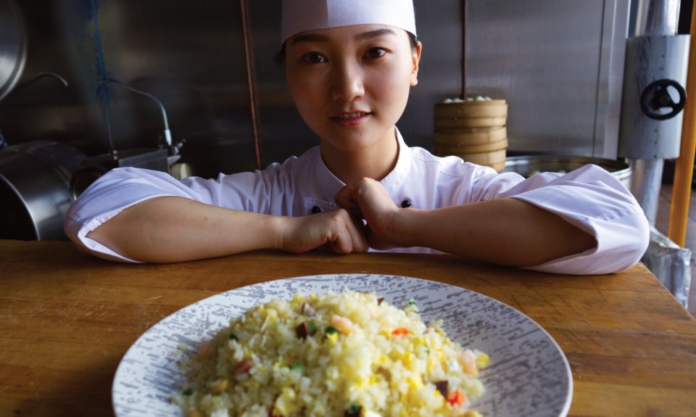



Search “Yangzhou” on Google and among the top options thrown up will be “Yangzhou Fried Rice”. That’s how ubiquitous this dish is. And for excellent reasons; it’s delicious, uses commonly available ingredients and is a cinch to make.
在谷歌上搜索“扬州”,在最热门的选项中,将是“扬州炒饭”。 这就是这道菜的无处不在。 出于充分的原因;它很美味,使用常见的食材,制作起来轻而易举。
With many of us staying at home more than ever before, so increasing numbers are taking to braving the kitchen. If health codes, injections and nuclei acid tests have put you off, herein a guide to a virtual visit to Yangzhou, courtesy of one of the city’s culinary favourite that is now renown around the world; Yangzhou Fried Rice.
由于我们中的许多人比以往任何时候都更呆在家里,所以越来越多的人勇敢地去厨房。 如果健康代码、注射和核酸检测让你望而去,这里有一个虚拟参观扬州的指南,由该市最受欢迎的美食之一提供,现在在全世界都很有名;扬州炒饭。
While the invention of Yangzhou Fried Rice is often credited to a regional magistrate of Yangzhou named Yi Bingshou (1754–1815), its actual origins are far, far earlier.
虽然扬州炒饭的发明通常归功于扬州一位名叫易炳寿(1754-1815)的地区法官,但其实际起源要早得多。
In fact, it was during that Spring and Autumn period and around 500 BCE that boatmen operating an ancient Yangzhou canal took to eating fried rice with eggs. Soon seasonings such as chopped onions were added.
事实上,正是在春秋时期和公元前500年左右,经营古代扬州运河的船夫开始吃鸡蛋炒饭。 很快,加入了切碎的洋葱等调味料。
It was Yi who about 2,000 years later toyed with adding shrimp, ham and other ingredients. The result is the Yangzhou Fried Rice we know and love today.
大约2000年后,Yi玩弄了添加虾、火腿和其他配料。 结果就是我们今天熟悉和喜爱的扬州炒饭。


In recent years, the dish has even been awarded trademark status, albeit after two failed attempts. Trademark officials feared that were a collective trademark to be granted, the making of the dish elsewhere than Yangzhou might be an illegal act.
近年来,这道菜甚至获得了商标地位,尽管尝试失败了两次。 商标官员担心这是授予的集体商标,在扬州以外的地方制作这道菜可能是非法行为。
But in 2008, after the city applicants took expert advice and sought a certification mark instead, the application was finally granted without rights to exclusivity.
但在2008年,在城市申请人听取了专家建议并寻求认证标志后,该申请最终获得了无排他权的批准。
Topping it all off rather appropriately is the official Yangzhou Fried Rice logo; combining a rare flower, rice and a cooking pot, supposedly to represent rice with a taste that is fragrant and full of bloom. And the wording? Chinese characters imitating the calligraphy of one Yi Bingshou.
最重要的是,官方的扬州炒饭标志;结合了一朵稀有的花、大米和一个烹饪锅,据说代表着味道芬芳和盛开的米饭。 措辞呢? 模仿Yi Bingshou书法的汉字。
While the internet is full of step by step guides for making Yangzhou Fried Rice, we thought we’d call in the experts. Executive Chinese Chef at Nanjing’s Jinling Hotel, Zhen Lixiang, took us through the procedure, sharing a few secret tips along the way.
虽然互联网上充满了制作扬州炒饭的分步指南,但我们想请专家来。 南京金陵酒店的行政中式厨师Zhen Lixiang带我们完成了这个过程,并分享了一些秘密提示。

Step 1
第1步
Slice and dice the vegetables. In our version, the veggies utilised were carrots, corn, mushroom, peas and chives.
将蔬菜切成片并切成丁。 在我们的版本中,使用的蔬菜有胡萝卜、玉米、蘑菇、豌豆和韭菜。
Other ingredients include ham and shrimps, although Chef Zhen explained that the shrimps are often left out if the rice is to be served with alcohol.
其他配料包括火腿和虾,尽管厨师Zhen解释说,如果米饭要配上酒精,虾通常会被不加。

Step 2
第2步
How many eggs? A ratio of 1:3 for eggs to rice is the preferred option for many.
多少个鸡蛋? 鸡蛋和米饭的比例为1:3是许多人的首选。
There should be roughly equal measures of each of the vegetables, ham and shrimp.
每种蔬菜、火腿和虾的量度应该大致相等。
And that’s all the preparation done. Time to cook!
这就是所有的准备工作。 该做饭了!

Step 3
第3步
Many people may miss out this step but it makes a big difference, as we witnessed. Give all the ingredients a vigorous boil for a couple of minutes.
许多人可能会错过这一步,但正如我们所目睹的那样,这有很大的不同。 让所有配料用大量煮几分钟。

Step 4
第4步
With the cooked vegetables drained, return the pan to the heat and add the eggs, but briefly. They should not be cooked through and should remain a little runny.
将煮熟的蔬菜沥干水分,将平底锅放回火上,然后加入鸡蛋,但短暂地加入。 它们不应该煮熟,应该保持一点流。

Step 5
第5步
Don’t be shy with the salt! Briskly fry all the ingredients for a few minutes. The professionals make it look easy but beware of everything escaping when fluffing up the rice!
不要羞于盐! 将所有材料快速煎几分钟。 专业人士让它看起来很简单,但要小心在把米饭弄蓬松时,一切都会逃脱!

Step 6
第6步
You’re done. Feel free to substitute vegetables of your choice but remember the two most important steps:
你完成了。 随意替换您选择的蔬菜,但请记住两个最重要的步骤:
Boil the veg and fluff the rice!
煮蔬菜,把米饭蓬松!